Astro Tourism 2026: The Best Dark Sky Destinations for Stargazing
By Tom ·
Dreaming of seeing the Milky Way or an aurora in 2026? Discover the best dark sky destinations for stargazing, from Canadian parks to remote international spots, and learn how to plan your perfect astro-tourism adventure.
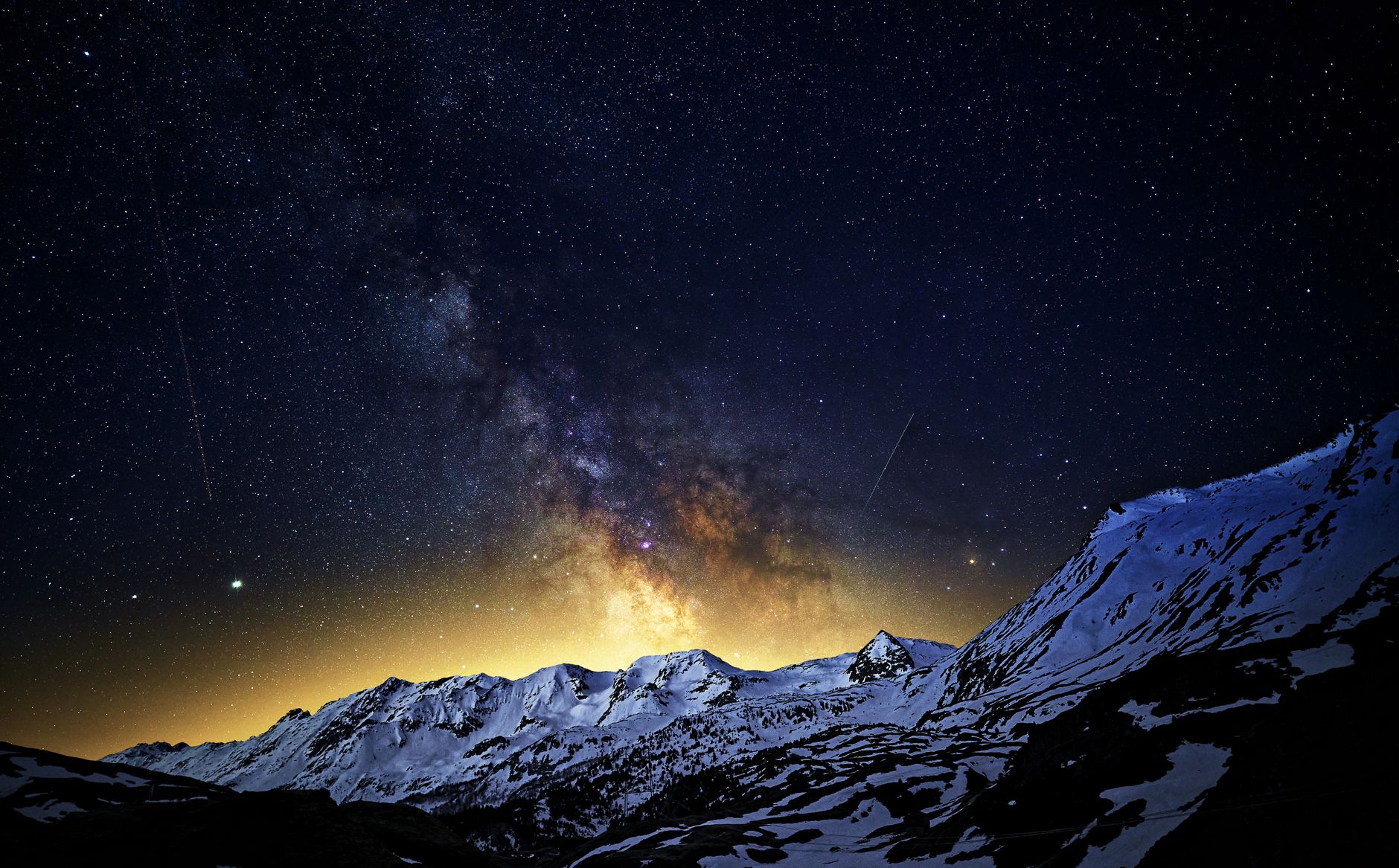
As a Canadian travel consultant, I often hear from folks looking for unique travel experiences. And let me tell you, astro tourism in 2026 is shaping up to be one of the most incredible adventures you can have. Imagine yourself under a blanket of a million stars, far from city lights, where the Milky Way is so clear it feels like you can reach out and touch it. This isn't just a dream, it's a reality at certified International Dark Sky Places, and I'm here to tell you how to make it happen.
For me, there's nothing quite like the awe of seeing a sky teeming with stars. It's a humbling experience that puts everything into perspective. In 2026, we're presented with fantastic opportunities to chase meteors, marvel at nebulae, and perhaps even witness the dance of the aurora. This guide is all about helping you find those pristine night skies, especially for my Canadian friends looking for accessible and unforgettable stargazing getaways.
What is Astro Tourism and Why Should You Care in 2026?
Astro tourism, in simple terms, is travel focused on observing celestial events and astronomical phenomena. It’s about seeking out dark sky destinations where light pollution is minimal, allowing for unparalleled views of the night sky. In 2026, the global effort to preserve these dark skies has led to over 160,000 square kilometers across 22 countries being designated as International Dark Sky Places. These sites are essentially sanctuaries for stargazers, prioritizing conditions that let you see everything from the Milky Way to distant galaxies and even auroras.
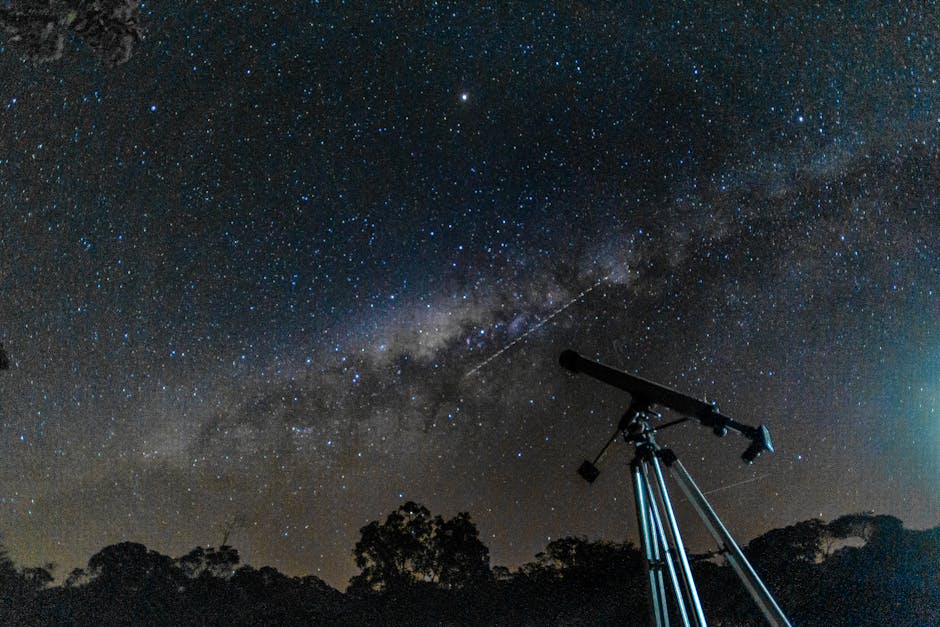
For Canadians, this means incredible opportunities both at home and a short flight away. We're talking about more than just looking up; it’s often paired with other outdoor adventures, making for a truly comprehensive travel experience. Think hiking and wildlife spotting by day, followed by telescope sessions at night. It’s a chance to reconnect with nature in a profound way.
When Is the Best Time to Visit Dark Sky Destinations for Stargazing?
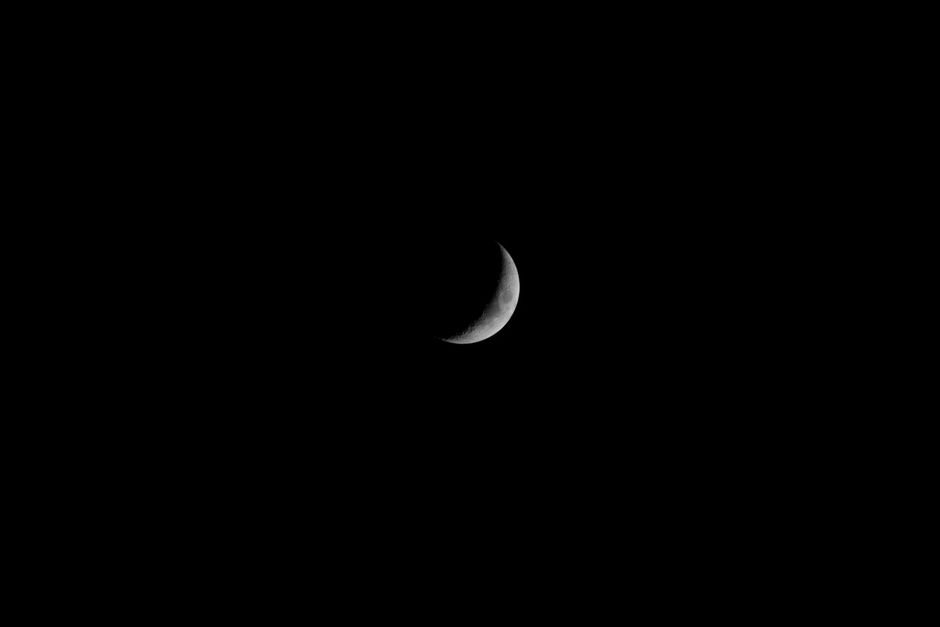
Timing is crucial for successful stargazing. The prime viewing times are always during new moon phases. This is when the moon's light, which can be quite bright even when crescent, is completely absent, allowing the fainter celestial objects to shine through. Bright moonlight and twilight (the glow after sunset or before sunrise) are your biggest enemies when it comes to seeing a truly dark sky.
For 2026, keep an eye on these celestial events:
* April 22, 23: Lyrid Meteor Shower. You could see up to 20 meteors per hour, often leaving beautiful, long dust trails. After midnight at a dark site is your best bet for this one.
* August 12, 13: Perseid Meteor Shower. This is a major highlight, peaking at around 100 meteors per hour. While there will be some interference from a near-full moon, the sheer volume of meteors often makes it worthwhile, especially post-midnight. It's truly one of the top Northern Hemisphere events.
* December 21, 22: Ursid Meteor Shower. This shower brings 5 to 10 meteors per hour, under what should be a fairly cooperative thin moon. Similar to the Lyrids, late-night viewing is ideal.
Beyond specific showers, winter nights generally offer longer periods of darkness and often clearer skies, which is perfect for extended stargazing sessions. Plus, in northern latitudes, winter greatly increases your chances of seeing the breathtaking aurora borealis. Remember to check a dark sky calendar, like the one on ReviewThenGo's /best-time tool, to pinpoint those prime moonless nights for your chosen destination.
Top Dark Sky Destinations for Canadian Travellers in 2026
When I'm advising Canadian clients on astro tourism, I always look for options that minimize jet lag and offer excellent infrastructure for stargazing. Here are my top picks:

Jasper National Park, Alberta, Canada: A Homegrown Stargazing Gem
Honestly, for Canadians, you cannot beat Jasper National Park. It's Canada's largest dark-sky preserve, the size of an entire US state like Virginia! Jasper offers incredible opportunities to see the northern lights, the Milky Way, and it’s perfect for combining daytime adventures with nighttime celestial viewing.
During the day, you can hike stunning trails, spot elk and bears, and soak in the majestic Canadian Rockies. Come nightfall, head to the Jasper Dark Sky Preserve planetarium for guided telescope sessions. I've personally experienced the magic here, and it's truly unforgettable.
Consider staying at the Fairmont Jasper Park Lodge. They often have special celestial packages, including meteorite handling workshops and guided forest hikes during warmer months. The best part? It's typically a 4 or 5 hour drive from Edmonton, making it super accessible without needing international flights. It’s an easy road trip for many across Western Canada, and even accessible for those flying into Edmonton from further East.
Grand Canyon National Park, Arizona, USA: Iconic Views, Day and Night
Just a bit south of the border, the Grand Canyon National Park offers 24/7 access to some of the most spectacular dark skies in the American Southwest. Imagine standing at an iconic spot like Mather Point on the South Rim, or Cape Royal on the North Rim, and seeing constellations sprawled across the vast canyon expanse. It's a truly humbling experience.
Flights from major Canadian cities, like Toronto to Flagstaff (a common gateway to the Grand Canyon), can be found for around $595 CAD round-trip. From Flagstaff, it’s a manageable drive to the park. For a unique stay, consider glamping at one of the Under Canvas Grand Circle camps in Utah or Arizona. These are actually the world's first DarkSky certified resorts, offering incredible star cluster viewing from luxurious tents. You can even book multi-camp stays by calling 888-496-1148 if you're looking for a longer adventure.
Death Valley National Park, California, USA: Desert Stargazing at its Best
If you're looking for something truly remote and dramatic, Death Valley National Park in California is phenomenal for pristine Milky Way views. Its low elevation and vast, unpopulated expanse create incredibly dark skies. Spots like Mesquite Flat Sand Dunes, Ubehebe Crater, or Badwater Basin offer unique foregrounds for your celestial photos.
Death Valley also hosts an annual Dark Sky Festival in March, with free programming and ranger-led activities. It’s a great way to learn more about the night sky from experts. Getting there is fairly straightforward for Canadians; I've seen deals for flights to Palm Springs for as low as $376 CAD round-trip. From Palm Springs, you can rent a car and enjoy a scenic drive to the park.
International Dark Sky Highlights for the Adventurous Canadian in 2026
For those willing to venture further, there are some truly spectacular dark sky destinations worldwide:
* Kozushima Island, Japan. This island became a Dark Sky Park after significant lighting upgrades in 2020. You can enjoy incredible views from Yotane Square or the Akasaki path. It's a bit of a journey, about a 4-hour boat ride or a 30-minute flight from Tokyo. Flights from Canada will run you $1,300+ CAD to get to nearby airports in Japan, but the experience is truly unique.
* The Lodge at Primland, Virginia, USA. If you're seeking a luxurious stargazing experience, this lodge features a winter observatory with red-lit telescopes and hosts special solstice events. They even have a Celestial Suite where you can view the stars from your bed! It's a fantastic, high-end option for an astronomer with a taste for comfort.
Practical Tips for Your 2026 Astro Tourism Adventure
To make your astro tourism trip a success, here are some key tips I always share:
* Find Your Dark Sky. Use DarkSky.org's place finder. They list over 160 certified parks and reserves, giving you plenty of options to find the perfect spot. Before you go, check out ReviewThenGo's /travel-intel for any advisories.
* Consult Dark Sky Calendars. As I mentioned, moonless nights are supreme. Avoid bright moon phases and twilight hours. ReviewThenGo's /best-time tool can help you identify these.
* Essential Gear. Pack a red flashlight. White light abolishes your night vision, which takes about 20-30 minutes to fully adapt. Red light preserves it. A good camera for astrophotography (if you're into that) and warm layers, even in summer, are also crucial. Check out ReviewThenGo's /gear section for a packing toolkit.
* Join Ranger Programs. Many Dark Sky Parks, especially in North America, offer ranger-led programs, telescope viewing, and interpretive walks. These are invaluable for learning and enhancing your experience.
* Aurora Chasing. For trips to Jasper or other northern latitudes, download an aurora forecast app. They can provide real-time alerts and give you the best chance of witnessing this incredible phenomenon.
* Mind Your Budget. For Canadians, prioritizing destinations in North America generally helps cut down on flight costs and emissions. Keep an eye on ReviewThenGo's /flights for deals to gateways like Flagstaff or Palm Springs, and track exchange rates with our /currency tool. Don't forget to budget for park fees and accommodation, which you can research on ReviewThenGo's /reviews.
Ready to Plan Your Astro Tourism 2026 Adventure?
Astro tourism in 2026 offers a unique blend of adventure and celestial wonder. Whether you're watching the Perseid meteor shower from Jasper National Park, gazing at the Milky Way over the Grand Canyon, or exploring the vastness of Death Valley, these dark sky destinations promise an experience you won't soon forget.
So, grab your red flashlight, check those moon phases, and get ready to explore the cosmos. Start building your perfect itinerary today with ReviewThenGo's /itinerary tool, and prepare for an unforgettable journey under the stars!
Frequently Asked Questions
What is astro tourism?
Astro tourism is a travel niche focused on observing celestial events, stars, and other astronomical phenomena, typically in locations with minimal light pollution, known as Dark Sky Places.
When is the best time to go stargazing in 2026?
The best time for stargazing in 2026 is during new moon phases to avoid moonlight interference, and during peak meteor showers like the Lyrids (April 22-23), Perseids (August 12-13), and Ursids (December 21-22). Winter nights often provide longer darkness and clearer skies.
What Canadian national park is best for stargazing?
Jasper National Park in Alberta is Canada's largest Dark-Sky Preserve and an excellent destination for stargazing, offering views of the Milky Way, auroras, and guided telescope sessions at its planetarium.
What should I pack for an astro tourism trip?
You should pack a red flashlight to preserve night vision, warm layers of clothing even in summer, and potentially a camera for astrophotography. Always check the weather forecast for your destination before you go.