Best Time to Visit Iceland: A Canadian Traveller's 2026 Guide
By Tom ·
Deciding the best time to visit Iceland? This 2026 guide helps Canadian travellers choose between midnight sun, Northern Lights, and fewer crowds, with practical tips to plan your perfect trip.
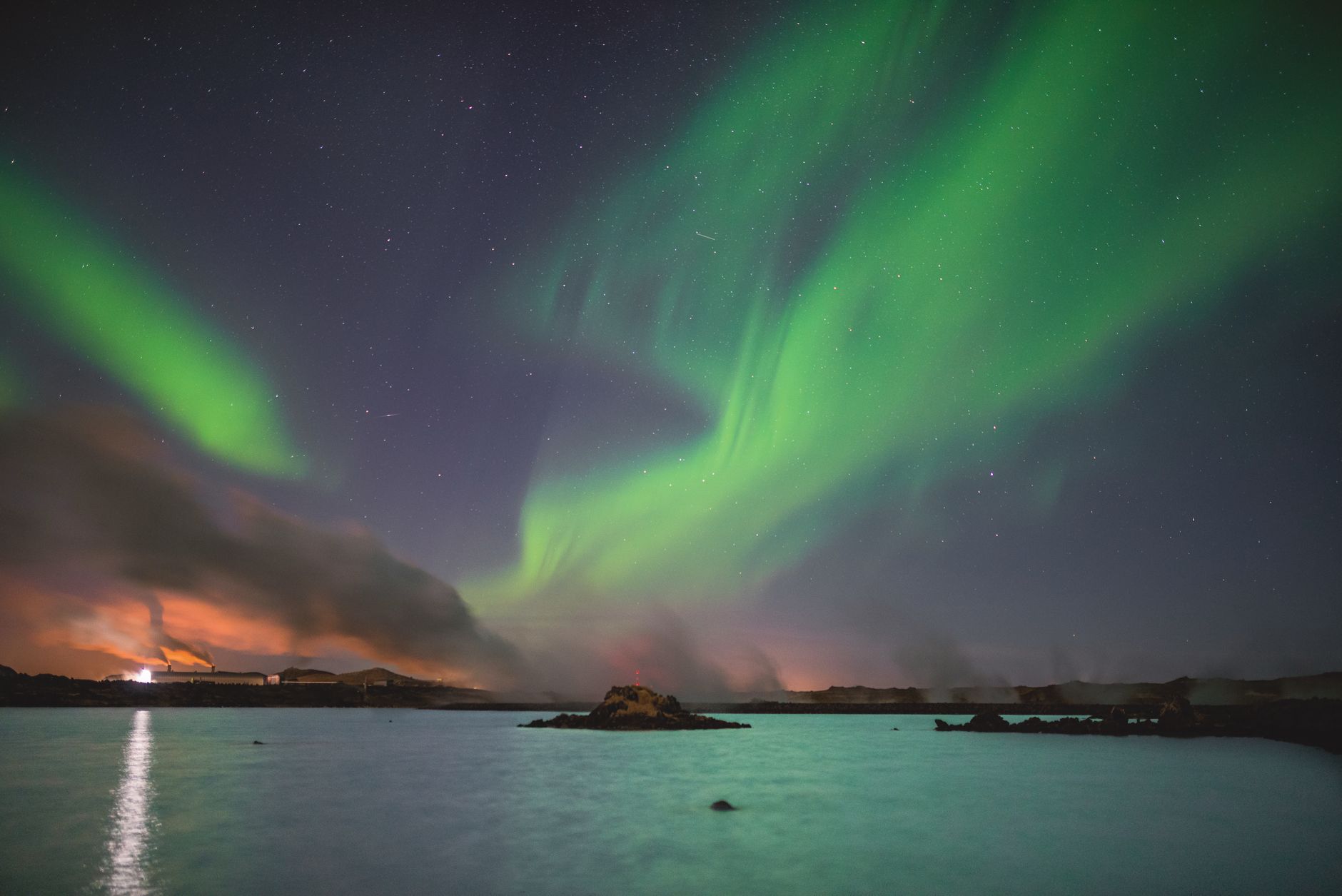
After years of helping Canadian travellers plan their dream getaways, I've noticed a pattern: Iceland consistently tops the list for its unique blend of dramatic landscapes, geothermal wonders, and vibrant culture. But when exactly is the best time to visit Iceland? It's a question I hear all the time, and honestly, the answer depends entirely on what you're hoping to experience.
As a Toronto-based agent, I know we Canadians appreciate good value and breathtaking scenery. Whether you're chasing the magical Northern Lights, hiking under the midnight sun, or exploring volcanic beaches, Iceland offers something spectacular year-round. Let's break down each season, looking at the pros, cons, and what you can expect in 2026, so you can pick the perfect time for your Icelandic adventure.
When Is the Best Time to Visit Iceland for Most Travellers?
For the vast majority of travellers, especially those visiting for the first time or looking for the widest range of activities, summer (June to August) is hands down the best time to visit Iceland. Think of it like our Canadian summers, but with an otherworldly twist.

This is when you'll experience the famous midnight sun, giving you up to 24 hours of daylight around the summer solstice. Imagine driving the Ring Road at 10 PM with the sun still high in the sky, or hiking a challenging trail without worrying about losing daylight. Temperatures are at their mildest, typically ranging from 10 to 20°C, though you should always be prepared for wind and sudden shifts in weather.
From what I've seen working with clients, peak season in 2026 will undoubtedly be bustling. Expect more crowds at popular spots like the Golden Circle, Jökulsárlón glacier lagoon, and the Blue Lagoon. Prices for flights, accommodations, and rental cars will be at their highest. If you're planning a summer trip, my biggest piece of advice is to book everything well in advance.
Why Summer is the Top Choice for an Iceland Trip (June-August)
Summer aligns perfectly with searches for "Iceland best time to visit" and for good reason. It’s when Iceland truly opens up.
What Makes Summer So Great?
Endless Daylight and Accessibility
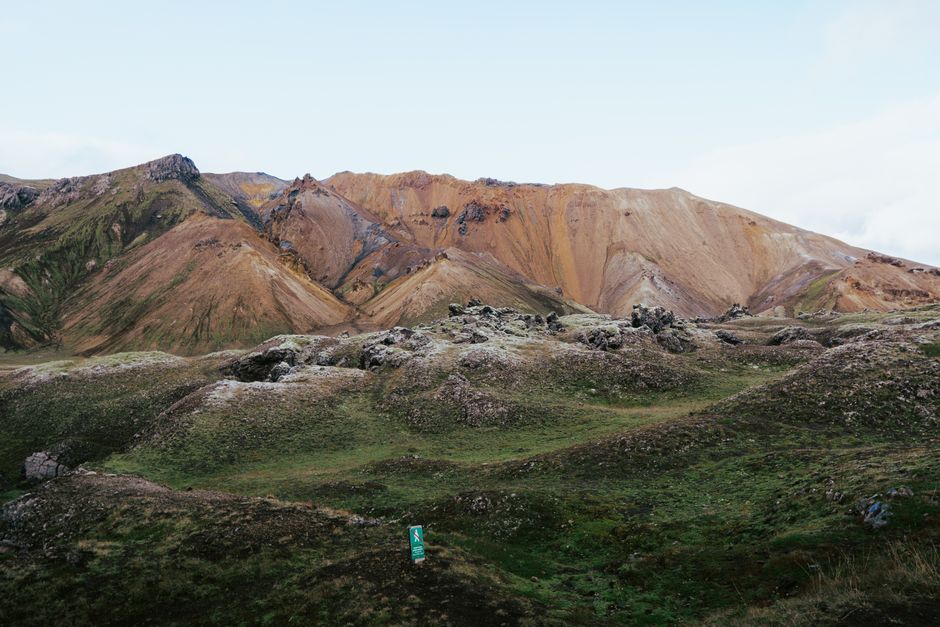
From early June to mid-July, the sun barely dips below the horizon. This means you have ample time to explore without feeling rushed. All major roads, including those into the rugged Highlands, are typically open and easily accessible, making it the ideal season for a comprehensive Iceland road trip. You can plan your route and compare rental options using ReviewThenGo's /itinerary tool to ensure you don't miss any hidden gems.
Prime for Activities
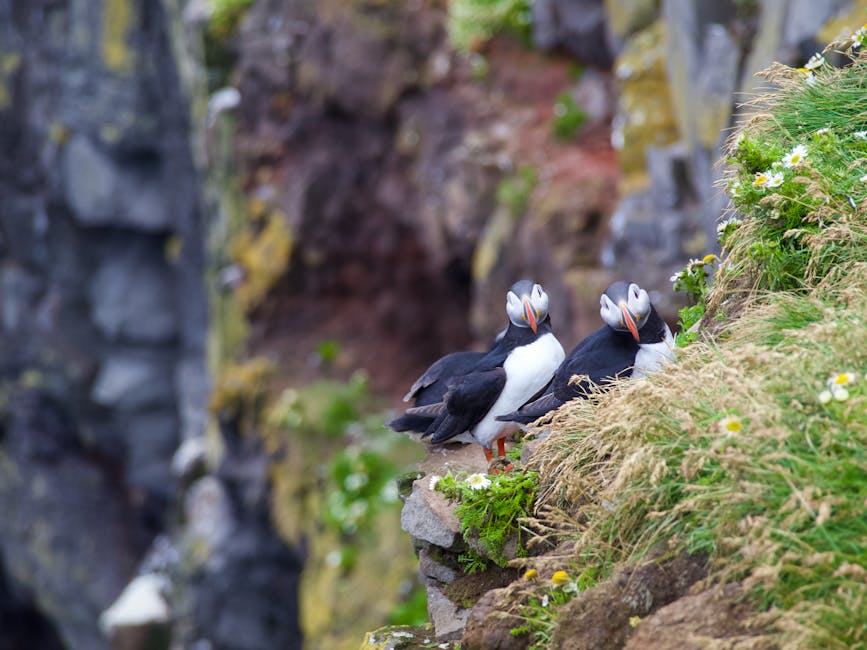
Summer is when Iceland truly comes alive with activities. It's the best time for whale watching, with tours running from May through September and excellent chances of spotting diverse marine life. Puffins, those adorable clowns of the sea, are also nesting and easily spotted during these months. Hiking enthusiasts will find trails dry and conditions optimal across the country, from coastal paths to mountain treks.
Mildest Weather
While Iceland's weather is always unpredictable, summer offers the warmest temperatures, occasionally hitting the low 20s °C. This makes outdoor activities much more comfortable. However, be prepared for strong winds and pack layers, even in July!
The Downside of Peak Season: Crowds and Cost
The main drawbacks are the crowds and the higher prices. Popular attractions can feel very busy, and finding last-minute accommodations or car rentals can be challenging and expensive. If you're on a tighter budget, use ReviewThenGo's /reviews to find the best value hotels and book well in advance.
Thinking Beyond Summer: Shoulder Seasons for Fewer Crowds & Value
If dodging crowds and saving some money are high priorities, or if you're specifically searching for "best time to visit Iceland without crowds" or "cheap time to visit Iceland," consider the shoulder seasons: spring (April to May) or fall (September to October). These periods offer a fantastic balance of good weather, unique experiences, and generally lower costs.
Spring in Iceland (April to May): Awakening Landscapes
Temperatures and Daylight
Spring temperatures range from 1 to 10°C, gradually warming up. Daylight hours rapidly increase, giving you plenty of time for exploration without the perpetual daylight of midsummer. By April, you'll start to feel that distinct
What Spring is Best For
Spring is superb for hiking with fewer tourists, witnessing the landscape come alive with blooming wildflowers, and still having a chance to see the Northern Lights, especially early in the season around the March equinox. This is when tour operators start offering small-group tours again, providing a more intimate experience.
Canadian Traveller Tip
Layering is key, just like a Canadian spring! You can often find cheaper flights from major Canadian hubs like Vancouver (YVR) and Toronto (YYZ) during these months. The Northern Lights, while less frequent than in winter, can be just as spectacular as viewing them in the Yukon.
Fall in Iceland (September to October): Colours and Aurora
Temperatures and Daylight
Fall brings cooler temperatures, typically 3 to 10°C, and shortening daylight hours. This means evenings start to darken earlier, which is perfect for aurora hunting.
What Fall is Best For
This season bathes the landscape in golden moss and vibrant hues, making it incredibly picturesque. It's prime time for Northern Lights viewing, with peak visibility often around the September 22 equinox. Whale watching opportunities continue into the fall, and many roads are still open, allowing for extensive exploration. Costs generally drop post-summer rush, making it a more budget-friendly option.
Canadian Traveller Tip
Bundle up! Fall in Iceland can feel similar to a crisp Canadian autumn. Combining your trip with orca spotting adds another layer of magic. Remember to book your accommodation well in advance, even in the shoulder season, using ReviewThenGo's /reviews to ensure you get the best spots.
Winter in Iceland (November to March): The Aurora Hunter's Dream
For those specifically searching for "Northern Lights Iceland best time," winter is your window. This is Iceland at its most dramatic, truly living up to its name. If you're a hardy Canadian from the prairies or Rockies, you'll likely feel right at home with the cold!
What to Expect
Temperatures hover between -1 and 5°C, but wind chill can make it feel much colder. Daylight hours are very short, with only a few hours of twilight around the winter solstice. However, these long, dark nights provide the perfect canvas for the mesmerizing Northern Lights. With clearer skies and less light pollution, your chances of seeing the aurora borealis are at their highest.
Activities and Challenges
Winter is also the season for exploring magnificent ice caves, typically accessible from November to March. These natural formations are truly breathtaking. However, be prepared for significant challenges: road closures due to snow and ice are common, especially in rural areas and the Highlands. Always check road.is for current conditions. Some tours and activities may also be limited or cancelled due to weather.
February and March can be a particularly great time, combining good chances for the Northern Lights with opportunities for orca sightings along the coast.
Canadian Traveller Tip
Pack extreme winter gear; think beyond just a warm coat. Insulated, waterproof layers, sturdy winter boots, and plenty of thermals are essential. Embrace the cozy indoors with warm drinks and local cuisine after a day of icy adventures. Consider using ReviewThenGo's /safety tool to understand local conditions and prepare accordingly.
Iceland by Month: A Quick Guide to 2026 Highlights
For those planning their trip month-by-month, here's what to keep in mind, especially for searches like "Iceland by month":
April 2026
Spring begins to bloom! The Northern Lights are fading, but you might catch a glimpse early in the month. Small-group tours and hiking options start opening up more widely. Expect changeable weather, a mix of late winter and early spring.
May 2026
A true shoulder month. More daylight, milder temperatures. Ideal for those who want to avoid peak crowds but still enjoy decent weather and accessibility. Puffin and whale watching tours begin in earnest. Some roads might still be closed, so check before planning a remote trek.
June 2026
Midnight sun officially arrives! Endless daylight, excellent hiking conditions, and all roads are typically open. Book everything far in advance for this incredibly popular month.
July 2026
Peak summer. Warmest temperatures, best weather, maximum accessibility for the Highlands and Ring Road. Expect the biggest crowds and highest prices.
August 2026
Still very popular, but towards the end of the month, daylight hours begin to shorten, hinting at autumn. Excellent for hiking and outdoor activities, but book ahead.
September 2026
Fall colours emerge, and the Northern Lights return with gusto! This is a fantastic month for a balance of activities, natural beauty, and aurora hunting. Prices start to drop post-summer.
October 2026
A great shoulder month for aurora seekers and budget travellers. Colder temperatures mean more chances for snow, but major roads are usually still open. Less daylight, great for capturing the Northern Lights.
November 2026
Winter officially takes hold. Prime Northern Lights viewing season begins, along with ice cave tours. Be prepared for harsh weather and limited daylight. This is an adventurer's month.
December 2026
The darkest month, offering maximum chances for the Aurora Borealis, especially during the long nights around the winter solstice. Festivities in Reykjavik add a special charm. Road conditions can be challenging.
January 2027
Deep winter. Excellent for Northern Lights and ice caves. Low tourist numbers outside of holiday peaks. Dress warmly and embrace the Icelandic winter experience.
February 2027
Still prime Northern Lights and ice cave season, but with slightly increasing daylight compared to December/January. Often a good choice for those wanting winter activities without the absolute shortest days.
March 2027
Late winter/early spring. Good aurora viewing, especially early in the month. Days are getting noticeably longer. A good bridge month for those wanting winter experiences with a bit more light.
Budgeting for Iceland: Canadian Traveller Insights
Iceland can be an expensive destination, but timing your visit can significantly impact your budget. As a Canadian traveller, you'll be happy to hear that flights from major hubs like Toronto and Vancouver can be quite affordable in the shoulder and off-peak seasons. I've often seen round-trip flights for under $600 CAD outside of summer.
Beyond flights, accommodation and rental cars are typically where costs fluctuate the most. Booking during spring, fall, or winter can lead to substantial savings. For transparent pricing and to compare options, use ReviewThenGo's /flights tool for deals and /reviews for hotels and guesthouses.
Remember that your Canadian passport allows for visa-free entry into the Schengen area for up to 90 days, which Iceland is a part of. This simplifies travel logistics, just like an ESTA for the U.S.
For detailed information on budgeting, specific gear to pack, checking currency exchange rates, and understanding travel advisories for Iceland, check out ReviewThenGo's comprehensive tools: /gear, /currency, and /travel-intel.
FAQs: Your Top Iceland Travel Questions Answered
Here are some quick answers to common questions about visiting Iceland:
The Verdict: So, When is the Best Time to Visit Iceland?
Ultimately, the best time to visit Iceland hinges on what you want from your trip. If endless daylight, accessibility to all regions, and a wide array of activities are your priority, then summer (June to August) is for you. Just be prepared for the crowds and higher costs. For those chasing the elusive Northern Lights and unique ice cave experiences, winter (November to March) offers unparalleled magic despite the challenges. And if you're like many of my Canadian clients, seeking a balance of good weather, fewer crowds, and better value, the shoulder seasons of spring (April to May) and fall (September to October) are excellent choices.
No matter when you decide to go, Iceland promises an unforgettable adventure. Start planning your 2026 Icelandic journey today using ReviewThenGo's /best-time tool for personalized calendars and itinerary builders. Safe travels!
Frequently Asked Questions
When is the best time to see the Northern Lights in Iceland?
The best time to see the Northern Lights in Iceland is during the winter months, from September to March. The long, dark nights and often clear skies provide optimal viewing conditions, especially from December to February. Aim for nights with minimal moon visibility and away from city lights.
Is Iceland expensive to visit?
Iceland can be an expensive destination, especially during the peak summer months (June-August). Costs for flights, accommodation, and rental cars are generally higher then. Visiting during the shoulder seasons (April-May, September-October) or winter can significantly reduce your expenses, especially for flights from Canada.
How many days are enough for an Iceland trip?
For a first-time visitor, I recommend a minimum of 7 days to fully experience the highlights of the Golden Circle and the South Coast. If you plan to drive the entire Ring Road, allow for at least 10 to 14 days to avoid rushing and to truly soak in all the diverse landscapes Iceland has to offer.
What is Iceland's weather like in summer?
Iceland's summer weather (June-August) is generally mild, with temperatures ranging from 10 to 20°C. While it's the warmest season, expect unpredictable conditions, including strong winds, rain, and cooler days. Layers are essential, and waterproof outer gear is highly recommended.
Do Canadians need a visa for Iceland?
No, Canadian citizens do not need a visa to visit Iceland for tourist purposes for stays up to 90 days within any 180-day period. Iceland is part of the Schengen Area, and Canadian passports allow for visa-free entry.