Best Time to Visit Japan in 2025-2026: Your Ultimate Guide
By Tom ·
Planning a trip to Japan in 2025 or 2026? Discover the best time to visit Japan for cherry blossoms, autumn leaves, and avoiding crowds, with practical tips!
As a Canadian travel consultant who specializes in Asian adventures, I get a lot of questions about planning trips to Japan. It's a country of stunning contrasts, from bustling Tokyo to serene Kyoto, and choosing the best time to visit Japan can really make or break your experience. You want to hit those iconic cherry blossoms, right? Or perhaps you dream of vibrant autumn foliage? Maybe you're travelling on a budget and want to avoid the biggest crowds and highest prices.
I'm here to give you the inside scoop on the best times to visit Japan in 2025 and 2026, drawing from personal experience and detailed research. We will cover everything from seasonal weather patterns to peak holiday avoidance, ensuring your trip is as smooth and memorable as possible. Get ready to plan your perfect Japanese getaway!
What is the Best Time to Visit Japan Overall?
When it comes to the absolute best time to visit Japan, most seasoned travellers and locals will point to two distinct periods: late March to mid-April for the breathtaking cherry blossoms, and mid-October to mid-November for the fiery autumn foliage. These are undoubtedly the most popular times, and for good reason, but popular often means crowded and pricey. If you prefer a balance of pleasant weather and fewer people, consider May or early October instead. These shoulder seasons offer a sweet spot, providing comfortable temperatures without the intense tourist crush seen during peak sakura or koyo.

Japan's climate is wonderfully diverse. You will find milder temperatures year-round in the southern regions like Okinawa, while the northern island of Hokkaido experiences cooler climates and heavy snowfall in winter. Understanding these regional differences is key to planning your trip effectively.
Spring in Japan (March to May): Cherry Blossoms and Golden Week
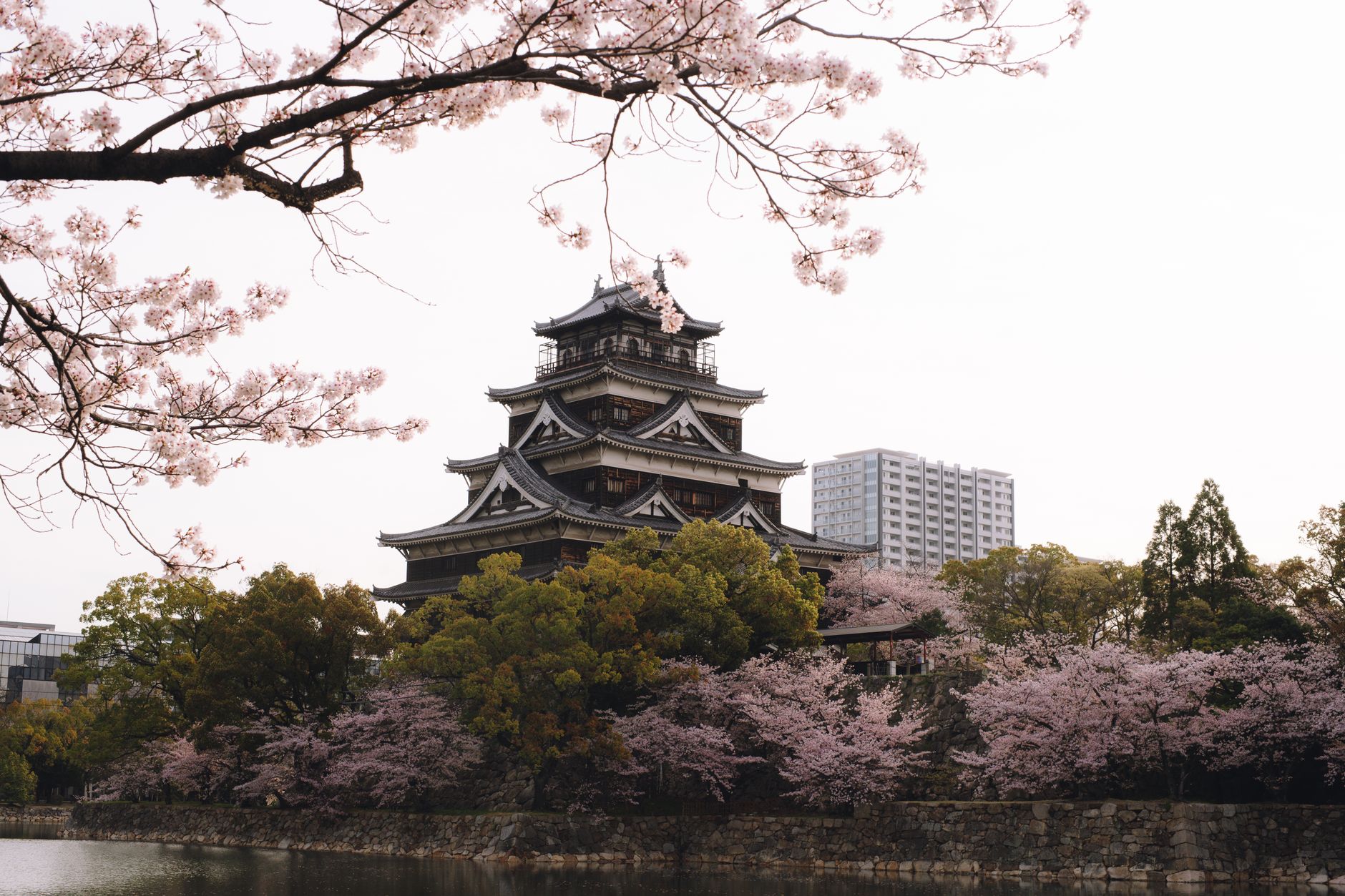
Ah, spring in Japan! This is arguably the most famous and sought-after season, primarily thanks to the magical cherry blossoms, or sakura. From late March to mid-April, Japan transforms into a delicate pink wonderland. Temperatures are mild, ranging from 4 to 18°C, making it pleasant for sightseeing.

For Tokyo and Kyoto, the cherry blossoms typically peak from late March to mid-April. If you are heading further north, like to Hokkaido, you can catch the sakura a bit later, usually in late April. It is truly an unforgettable sight, perfect for first-timers and those wanting to capture iconic scenic views.
Navigating Spring Crowds and Golden Week in 2025-2026
While spring offers unparalleled beauty, it also brings significant crowds, especially during the peak sakura period. Hotel and flight prices can double, and popular attractions will be packed. If you can, try to avoid the absolute peak of mid-March to mid-April if large crowds are not your thing.

A critical period to be aware of is Golden Week, which runs from April 29 to May 6. This is a series of national holidays where many Japanese people travel domestically. Expect transport chaos, fully booked accommodations, and inflated prices across the board. Trust me, you do not want to be caught in Japan during Golden Week without meticulous prior planning.
For better value and slightly fewer crowds in spring, consider visiting in mid-May, just after Golden Week. The weather is still lovely, the landscape is lush, and you will find prices are a bit more reasonable. This is often an ideal time for mild hiking and enjoying outdoor activities.
Summer in Japan (June to August): Festivals and Humidity
Summer in Japan is hot, humid, and vibrant with festivals. Temperatures can soar above 30°C in many areas. The rainy season typically runs from June to early July, so be prepared for some downpours if you are visiting then. Late summer, especially August and September, also brings the risk of typhoons, so keeping an eye on weather forecasts from the Japan Meteorological Agency is crucial.
Despite the heat, summer is a fantastic time to experience Japan's lively festival scene. The famous Gion Matsuri in Kyoto in July is a must-see, with its colourful parades and traditional floats. If you are a fan of diving or beach holidays, Okinawa's waters are beautifully warm from May to October, perfect for exploring marine life. Summer also aligns well with Canadian school holidays, making it a viable option for families, though be prepared for the heat!
Autumn in Japan (September to November): Radiant Fall Colours
Autumn, or koyo season, is another one of my favourite times to visit Japan. The landscape transforms again, this time into a breathtaking tapestry of reds, oranges, and golds. The weather is generally cool and dry, with average temperatures around 14°C, making it incredibly comfortable for exploring.
The autumn foliage starts earlier in the north and in mountainous regions, typically peaking in Hokkaido around mid-October. The colours then sweep south, reaching Kyoto around mid-November and Tokyo from late November to early December. If you are flexible, aiming for early December in Kyoto or Tokyo can mean gorgeous leaves with fewer crowds than the peak November period.
Navigating Autumn Crowds and Silver Week 2026
Like spring, autumn is a peak tourism season for international visitors, particularly from September to November. This means higher prices for flights and accommodations. In 2026, be especially mindful of Silver Week, which falls from September 19 to 23. This extended weekend will see increased domestic travel and busier attractions, particularly in areas where early foliage is starting to show.
My top tip for autumn travel is to consider early November. You will often find excellent value during this period, with beautiful foliage still on display and slightly fewer crowds than mid-November. Autumn is also ideal for hiking, with crisp air and stunning scenic backdrops. You can check out our ReviewThenGo /best-time tool for precise month-by-month recommendations.
Winter in Japan (December to February): Snow and Serenity
For those who do not mind the cold, winter in Japan offers its own unique charm. Temperatures range from 0 to 10°C in most major cities, with heavy snowfall in the northern regions like Hokkaido and the Japanese Alps. This is the time for clear skies, often offering incredible, unobstructed views of Mount Fuji.
Winter is generally considered a low tourism season, outside of the New Year period and popular ski resorts. This means fewer crowds at many attractions and some of the cheapest prices for flights and hotels, particularly from January to February. This is a fantastic time for budget-conscious travellers.
If you are into winter sports, January to March is prime ski season in places like Niseko. For a truly unique experience, visit the famous snow monkeys bathing in the onsen (hot springs) in Nagano. Winter also provides a quiet, serene atmosphere for sightseeing, with many temples and gardens dusted in snow, creating a magical ambience.
Regional Timing and Activity-Specific Planning for Your Japan Trip
Beyond the general seasons, specific activities and regions have their own ideal timing. Knowing these can help you fine-tune your itinerary.
When to See Cherry Blossoms (Sakura) in 2025-2026
The cherry blossom forecast varies slightly each year due to weather patterns, but you can generally expect 2025 and 2026 to follow similar patterns to previous years. Central Japan, including Tokyo and Kyoto, will likely see its peak from late March to mid-April. If your travel dates are later, head north to Hokkaido, where blossoms typically appear in late April.
When to See Autumn Foliage (Koyo)
Autumn colours are equally stunning and also progress geographically. They begin in Hokkaido and the mountains in mid-October. Kyoto typically sees its peak vibrant colours around mid-November, while Tokyo often experiences them from late November into early December. Aiming for early December in these southern cities can bypass some of the earlier autumn crowds.
Tips for Canadian Travellers Visiting Japan
As a fellow Canadian, I know we have our own travel considerations. If you are travelling with family and school breaks are a factor, summer (July) can be a great option despite the heat, thanks to the array of festivals. Just be sure to hydrate and plan indoor activities or air-conditioned breaks. Autumn (September to October) often aligns perfectly with Canadian Thanksgiving, offering mild weather and beautiful scenery, though it is a popular time.
Keep an eye on the Canadian Dollar to Japanese Yen exchange rates. While Japan is not as expensive as some other destinations, a favourable exchange rate always helps. Also, consider investing in a Japan Rail Pass if you plan on covering a lot of ground with the shinkansen (bullet train). It can offer significant savings, especially if you are chasing seasons across different regions. You can find more information on planning your journey with our ReviewThenGo /itinerary builder and /currency tracker.
Budget and Crowd Avoidance: The Savvy Traveller's Playbook
If dodging crowds and saving money are high on your priority list, certain times of the year are far better than others. My top recommendations for budget-friendly travel with fewer people are mid-May (after Golden Week), January to February, or early December. During these periods, you can expect hotel and flight costs to be 20 to 50% lower compared to the peak cherry blossom or autumn foliage seasons.
Booking well in advance, especially for popular times, is non-negotiable. For peak seasons, I recommend booking at least 6 months out. For flights, I always check ReviewThenGo /flights for the best deals, and for hotel reviews, head over to ReviewThenGo /reviews before you book.
Key Holidays and Pitfalls to Absolutely Avoid in 2025-2026
Seriously, mark these dates in your calendar and plan around them if possible. Avoiding these major holidays will save you a lot of stress, money, and time:
Golden Week falls from April 29 to May 6. This is the number one period to avoid unless you have a very specific, pre-booked itinerary and a high tolerance for crowds and high prices. Expect transport to be packed and accommodations to be scarce and expensive.
Obon typically runs from around August 13 to 16. This is a period of ancestral visits and family travel within Japan. While not as universally disruptive as Golden Week, it still means busier domestic travel routes and potentially higher prices, especially in more rural areas.
Silver Week in 2026 is from September 19 to 23. This is an extended weekend that occurs when several national holidays fall close together. While it is not an annual occurrence, it will be a factor in 2026. Expect increased crowds, particularly in popular autumn foliage spots in the north.
New Year's is from late December to early January. Many businesses and attractions close during this period, and travel can be busy with domestic visitors. While it offers a unique cultural experience, it is not ideal for general sightseeing.
Peak International Tourism is generally from March to May and September to November. These are the busiest times for international visitors. If you want a more tranquil experience, aim for the shoulder or off-seasons.
Weather Risks to Be Aware Of
Japan does have its share of weather challenges. Summers are hot and humid, and the typhoon season typically runs from September to October. While not every typhoon causes major disruption, it is something to be aware of. Always pack layers for spring and winter travel, as temperatures can vary significantly even within a day. Check out our ReviewThenGo /travel-intel for the latest advisories.
My Final Advice for Your Japan Adventure
Japan is an incredible destination, and with a little planning, you can have an unforgettable trip regardless of when you go. My personal recommendation is to plan for at least 2 to 3 weeks if you want to truly experience different regions and potentially chase seasonal highlights like cherry blossoms from Tokyo to Hokkaido, or autumn leaves from the mountains down to Kyoto. Booking crucial elements like flights and accommodations at least 6 months in advance, especially for popular seasons, is paramount. Always keep an eye on real-time forecasts, and do not forget to pack smart using our ReviewThenGo /gear packing toolkit.
Whether you are dreaming of serene temples, bustling cityscapes, or breathtaking natural beauty, choosing the best time to visit Japan is your first step to an amazing adventure. Happy travels!
Frequently Asked Questions
What is the best month to visit Japan for cherry blossoms?
The best month to visit Japan for cherry blossoms is typically late March to mid-April, especially for major cities like Tokyo and Kyoto. The exact timing can vary year to year, so it is wise to check forecasts closer to your travel date.
When is the cheapest time to visit Japan?
The cheapest times to visit Japan are generally from January to February in winter, or in mid-May (after Golden Week) and early December during the shoulder seasons. During these periods, expect lower prices for flights and accommodations due to fewer crowds.
What months should I avoid when planning a trip to Japan?
You should generally avoid major Japanese holidays like Golden Week (April 29 to May 6), Obon (mid-August), and Silver Week (September 19 to 23 in 2026). These periods see extremely high domestic travel, leading to crowded attractions and significantly increased prices.
Is summer or autumn better for visiting Japan?
Autumn (mid-October to mid-November) is generally considered better than summer for visiting Japan due to cooler, drier weather and the stunning autumn foliage. Summer (June to August) can be hot, humid, and has a rainy season, though it is great for festivals.
How many days are enough for a Japan trip?
For a comprehensive trip to Japan that allows you to explore multiple regions and experience different cultural aspects, I recommend planning for at least 2 to 3 weeks. However, even 7 to 10 days can offer a great introduction if you focus on one or two key areas.