Best Time to Visit Italy to Avoid Crowds and Heat in 2025-2026
By Tom ·
Discover the best months to visit Italy in 2025-2026 to enjoy mild weather and fewer crowds. Learn when to go for the best experience.
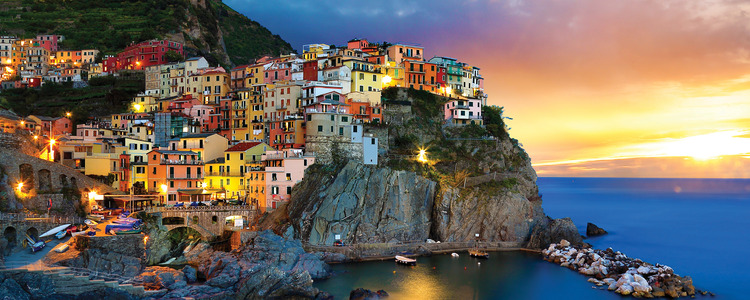
When is the best time to visit Italy to avoid crowds and heat?
After years of helping Canadian travellers plan their dream Italian getaways, I can confidently say that the best time to visit Italy in 2025-2026 to avoid both overwhelming crowds and intense summer heat is during the shoulder seasons: spring (April to June) and fall (September to October). These periods offer a sweet spot of mild weather, manageable tourist numbers, and often, better value for your travel dollar. Specifically, April, May, June, September, and October are the months I consistently recommend. During these times, you can experience Italy's incredible culture, history, and natural beauty without the discomforts of peak summer travel.
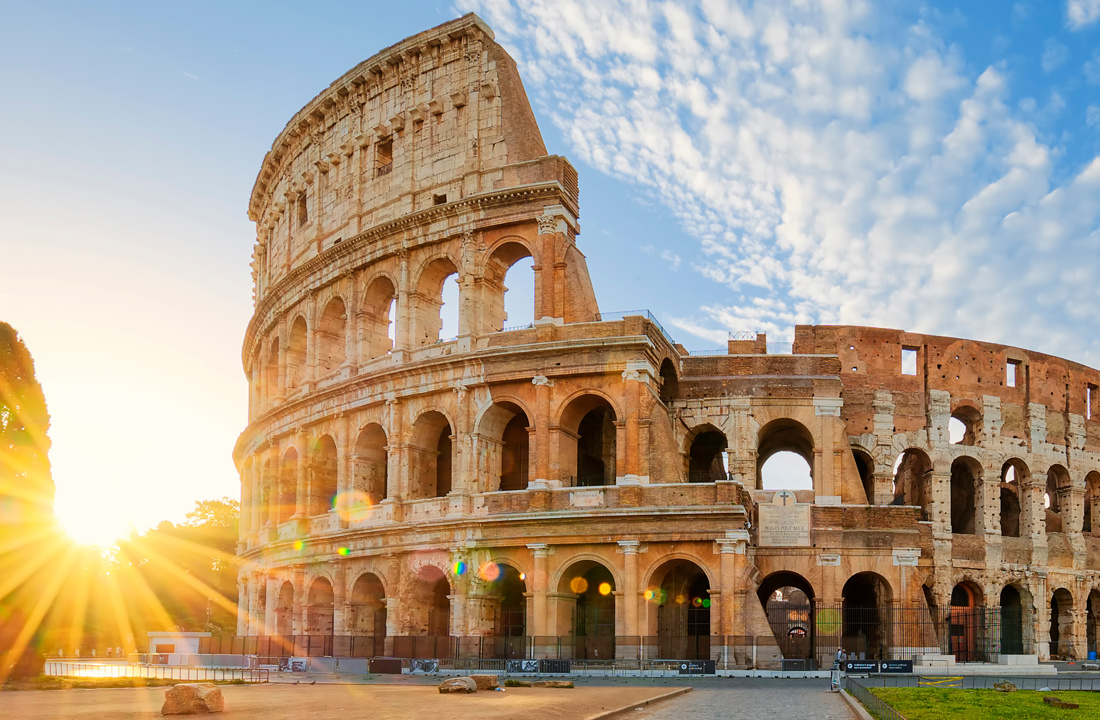
Let's break down why these months work so well. In spring, from March to May, temperatures typically range from a comfortable 10-22°C (50-72°F)\, with low to medium rainfall. Crowd levels are moderate, and flight prices are generally medium, making it an excellent overall value. You'll find cities like Rome and Florence bustling but not suffocating, and the countryside is absolutely beautiful with blooming flowers. Fall, encompassing September to November, sees temperatures between a pleasant 12-20°C (54-68°F)\,. Rainfall is medium, but the crowds are generally lower than spring, and flight prices often dip to low, making it a fantastic shoulder season for deals. The warmth of summer lingers into early fall, especially in the south, offering pleasant conditions for extending beach holidays or enjoying al fresco dining.
Conversely, you'll definitely want to avoid July and August if escaping crowds and heat is your priority. The tool intel confirms these are the 'avoid months' due to extreme heat, massive crowds, and the highest prices during the peak summer tourist season. Temperatures can soar to 25-35°C (77-95°F)\, bringing with it significant discomfort and longer lines at major attractions. While these months have low rainfall, the trade-off in terms of heat and crowds simply isn't worth it for many travellers. Booking early for shoulder seasons is crucial to securing the best deals on flights and accommodations, and remember to pack layers for the variable weather you might encounter, especially in spring and fall. Keep an eye out for 2025-2026 events like the Jubilee Year in Rome, which could temporarily increase crowds even in shoulder seasons.
Want a personalized answer? Use ReviewThenGo's Best Time to Visit tool (/best-time) to see month-by-month weather, crowds, and pricing in seconds.
Why Spring (April-June) is Ideal for Avoiding Italy's Crowds and Heat
From what I've seen working with clients, spring truly offers a magical window to explore Italy. The ReviewThenGo 'best-time-intel' tool rates it as 'Best overall value'. From April to June, the landscape bursts with colour, and the air is crisp but mild. Average temperatures typically sit between 10-22°C (50-72°F). This means you can comfortably wander through ancient Roman ruins, stroll along Venetian canals, or hike the trails of the Cinque Terre without feeling like you're melting or constantly jostling for space.
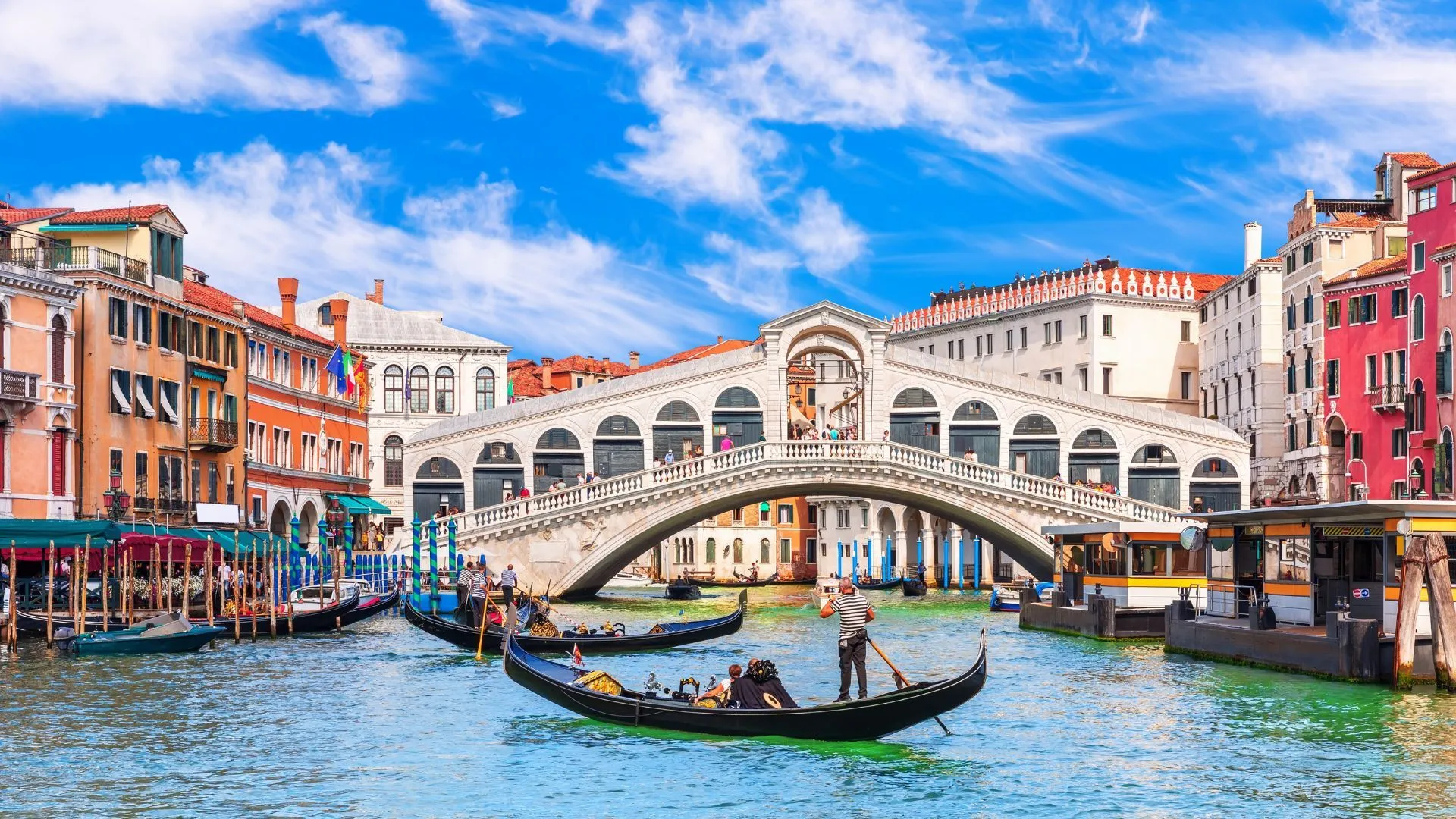
Crowd levels during these months are moderate. While popular cities will certainly have tourists, it's a far cry from the peak summer madness. You'll find it easier to get into museums, book restaurant reservations, and generally move around. Flight and accommodation prices are medium, offering good value before the summer surge. Early booking is always wise to snag those deals.
One thing to note: Easter celebrations, which often fall in April, can lead to brief spikes in crowds, especially in religious centres like Rome. However, these are generally short-lived. Also, the Venice Biennale, an international art exhibition, begins in May and runs through October in even years, so factor that into your planning if you're visiting Venice in 2026.
Fall (September-October): Your Best Bet for Fewer People and Pleasant Temperatures
Travelling out of Toronto, I've learned that fall, specifically September and October, is an incredible time to visit Italy. Our 'best-time-intel' tool highlights this as a 'Shoulder season deal'. The scorching summer heat has usually dissipated, and the major summer crowds have largely returned home. You'll enjoy temperatures ranging from a comfortable 12-20°C (54-68°F), perfect for sightseeing and enjoying Italy's vibrant outdoor culture.
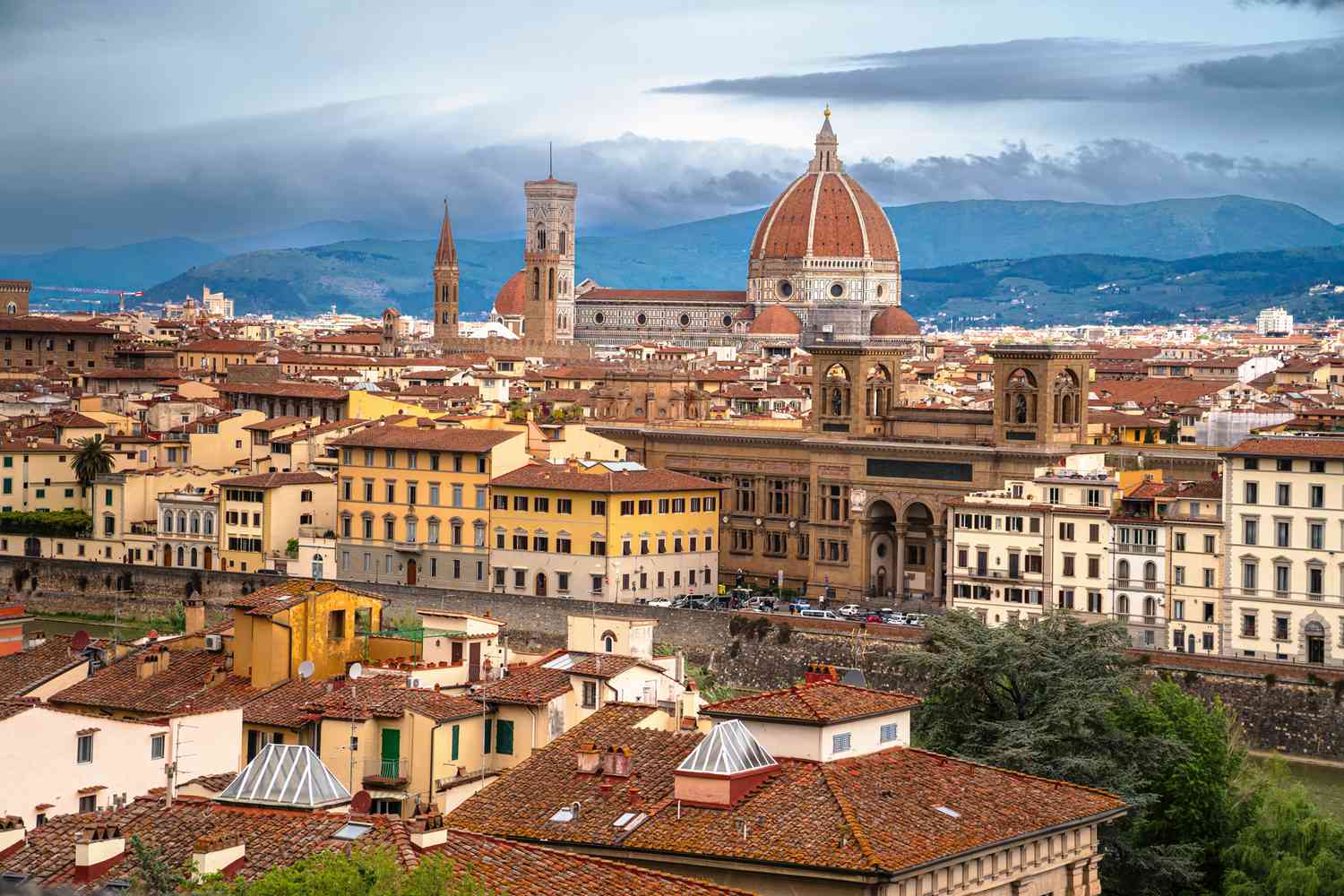
Crowds during this period are generally low, especially as you move deeper into October. This means shorter lines at attractions, more breathing room in popular squares, and a more authentic local experience. Flight and accommodation prices tend to be low, making it an excellent option for budget-conscious Canadian travellers looking for great deals.
September still offers warm seas, making it a good option if you want to combine cultural exploration with some beach time in the south. In October, you can even catch charming regional Chestnut Festivals, celebrating the autumn harvest across Tuscany and other regions. While rainfall is medium during fall, it's usually manageable, often coming in short bursts rather than prolonged downpours. Just be prepared with layers and a small umbrella.
Navigating Italy's Regional Weather and Crowds
Italy is a diverse country, and its climate can vary significantly from north to south. Understanding these regional differences is key to optimizing your trip, especially when trying to avoid crowds and heat. As a Toronto-based agent, I always advise clients to consider where they'll be spending most of their time.
The north of Italy, which includes cities like Milan, Venice, and the stunning Cinque Terre, tends to be cooler in spring and fall. In April to May, or mid-September to early October, temperatures range roughly from 10-20°C (50-68°F). Venice, for example, is far less crowded and much more enjoyable in October compared to the sweltering heat of July. However, coastal areas like Cinque Terre can experience increased rainfall in late fall, so keep that in mind.
Central Italy, home to iconic destinations like Rome and Florence, is perfect in mid-April to early June and September to mid-October. Rome in early fall feels significantly emptier than in summer, allowing for a more intimate exploration of its historical sites. Florence offers similar advantages. Temperatures are pleasant enough to enjoy outdoor cafes and evening strolls without the oppressive heat that can lead to siestas and attraction closures from 1 PM to 4 PM in summer.
For Southern Italy and the islands, such as the Amalfi Coast and Sicily, early April to May and early September are your best bets. Summers here can be brutally hot, often exceeding 32°C (90°F+). Early June can also be ideal for beaches, with pre-family crowds and warm seas. Visiting in the shoulder seasons allows you to enjoy the beautiful coastlines and vibrant towns without the sweltering temperatures and immense crowds that flock there in July and August.
What Makes July and August the Worst Months to Visit Italy?
Based on my experience planning trips like this, if your goal is to avoid crowds and heat, then July and August are a firm no-go. The 'best-time-intel' tool explicitly lists these as 'avoid months', and for very good reasons. This is Italy's peak summer tourist season, and everything that comes with it can significantly detract from your travel experience.
First, the heat is intense. Temperatures regularly hit 25-35°C (77-95°F) and can climb even higher, especially inland and in the south. Walking around ancient ruins or navigating crowded city streets in such conditions can be incredibly draining. Second, the crowds are massive. Everyone, including many Italians on their Ferragosto (national holiday in August) vacations, flocks to popular destinations. This means long lines, packed public transport, and difficulty securing reservations for popular restaurants or attractions.
Finally, prices for flights and accommodations are at their highest during July and August. You'll be paying a premium for a less comfortable and more crowded experience. While some cities might feel quieter as locals head to the coast, the major tourist sites remain jammed. Unless you have no other choice or specifically crave a beach resort experience with everyone else, I strongly advise aiming for spring or fall instead.
Key Tips for a Smooth Trip to Italy in Shoulder Season
To make the most of your shoulder-season trip to Italy, consider these practical tips:
1. Book Early: Our tool's tips confirm this. Even in shoulder seasons, the best flights and accommodations get snatched up quickly. Start planning and booking at least 6-9 months in advance, especially for popular areas.
2. Pack Layers: Spring and fall weather can be variable. Days might be warm, but evenings can cool down significantly. Pack versatile layers, including light sweaters, a waterproof jacket, and comfortable walking shoes. Check out our packing toolkit (/gear) for more detailed advice.
3. Check Local Events: While avoiding peak tourist events is the goal, some charming local festivals happen in spring and fall, like the Chestnut Festivals in October. These can add a unique flavour to your trip but might also mean small local crowds. Reference our ReviewThenGo 'travel-intel' at [/travel-intel] for any advisories.
4. Embrace Early Mornings: To further minimize crowds at major attractions, aim to visit right when they open. Even in shoulder seasons, popular spots like the Vatican or the Colosseum can get busy quickly.
5. Consider Travel Insurance: Unexpected delays or cancellations can happen. Travel insurance can provide peace of mind. Our site has a comprehensive guide on choosing the right travel insurance (/insurance) for your needs.
6. Stay Hydrated: Even in mild temperatures, you'll be doing a lot of walking. Carry a reusable water bottle; Italy has many public fountains where you can refill.
FAQs: Best Time to Visit Italy
Here are some frequently asked questions about planning your Italy trip outside of peak season:
Frequently Asked Questions
What are the absolute best months to visit Italy to avoid crowds?
The absolute best months to visit Italy to avoid the most intense crowds are April, May, September, and October. These shoulder seasons offer pleasant weather without the extreme tourist numbers of July and August.
When is the weather mildest in Italy?
Italy experiences its mildest weather during spring (April to June) and fall (September to October). Temperatures typically range from 10-22°C (50-72°F) in spring and 12-20°C (54-68°F) in fall, ideal for sightseeing.
Should I avoid Italy in July and August?
If your primary goal is to avoid heat and large crowds, you should definitely avoid visiting Italy in July and August. These months are characterized by extreme heat, the highest tourist volumes, and peak prices for travel.
Is November a good time to visit Italy?
November is generally not recommended if you want to avoid heat, as it's cooler and wetter. While crowds are low, many seasonal businesses and attractions may be closed, especially in coastal areas. It's considered part of the low season.
Are flight prices cheaper in Italy's shoulder season?
Yes, flight prices to Italy are generally medium in spring (April-May) and low in fall (September-October) compared to the high prices found during peak summer. Booking early is key to securing these better deals.