ETIAS for Canadians: Do You Need It to Visit Europe in 2026?
By Tom ·
Planning a trip to Europe in 2026? Find out if Canadian citizens need the new ETIAS travel authorization and how to apply for it.
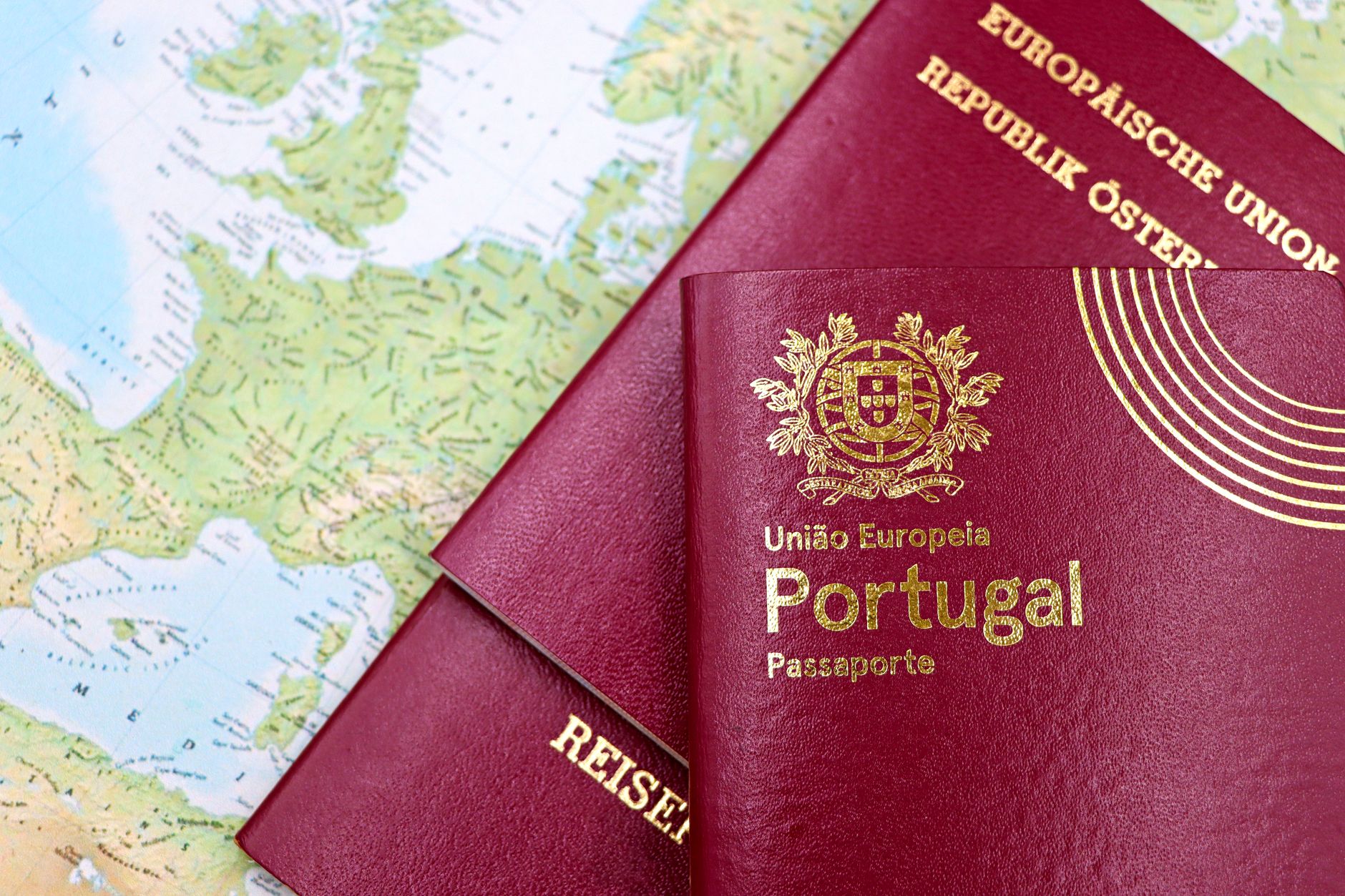
Do Canadians need the ETIAS to visit Europe in 2026?
After years of helping Canadian travellers navigate entry requirements, I've seen many changes, and the upcoming European Travel Information and Authorization System, or ETIAS, is one of the most significant for those heading to Europe. The quick answer is yes, Canadian citizens are expected to need ETIAS to visit Europe in 2026, specifically for short stays in the Schengen Area. This isn't a visa, but rather a travel authorization, much like Canada's own Electronic Travel Authorization (eTA) for visitors, or the ESTA for the United States. It's designed to enhance security by pre-screening travellers from visa-exempt countries like Canada before they even leave home. From what I've seen working with clients, this new system aims to streamline entry while bolstering European border security.
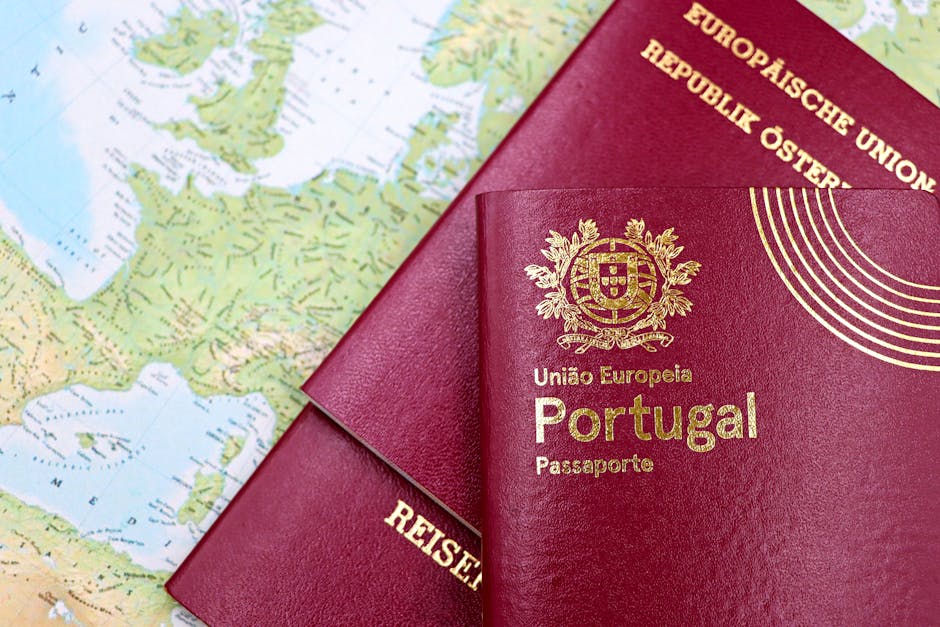
According to the latest information from the ReviewThenGo internal "travel-intel" tool, ETIAS is anticipated to become fully operational in the last quarter of 2026, October to December. There will be a six-month transitional period where entry might not be refused solely due to lacking an ETIAS, but honestly, it's always best to be prepared. To apply, you'll need a valid Canadian passport, which must be machine-readable and valid for at least three months beyond your planned departure date from the Schengen Area. You'll also need an active email address for notifications and a credit or debit card to cover the €20 application fee. Good news for some Canadian travellers, though: ETIAS is free for those under 18 or over 70 years old. Applying is an entirely online process through the official ETIAS website, and while most applications are processed within minutes, some cases could take up to 30 days, so planning ahead is key.
Once approved, your ETIAS will be valid for three years or until your passport expires, whichever comes first. It permits unlimited entries to the Schengen Zone for a total stay of 90 days within any 180-day period, which is perfect for multiple European adventures within that timeframe. This authorization covers travel to 30 European countries in the Schengen Area. It's important to remember that if you hold dual EU citizenship or already possess a long-term visa for the Schengen Area, you won't need an ETIAS. The application will ask for personal details, passport information, travel plans, and some security questions, including criminal history and travel to conflict zones.
Want a personalized answer? Use ReviewThenGo's Know Before You Go tool (/travel-intel) to check current visa, entry, and health requirements in seconds.
What Exactly Is the ETIAS and Why Is It Being Introduced?
The ETIAS system is the European Union's answer to modernizing its border management and enhancing security across its 30 member states within the Schengen Area. Think of it as Europe's version of Canada's eTA or the U.S. ESTA. It's not a traditional visa that requires extensive paperwork and embassy visits; instead, it's an electronic travel authorization. The primary goal is to pre-screen visa-exempt visitors, including Canadians, to identify potential security risks, irregular migration risks, or high epidemic risks before they even arrive at the border. This proactive approach helps to improve internal security while allowing legitimate travelers to enter more smoothly.

From what I've gathered, the ETIAS will electronically link to your passport. When you apply online, the system performs automated checks against various EU databases, such as SIS (Schengen Information System), VIS (Visa Information System), and Europol databases. This swift process aims to reduce wait times at border crossings and ensures that only authorized individuals can enter. For Canadian tourists, business travelers, those visiting family, or even transiting through a Schengen airport, ETIAS will be a mandatory step. It means an extra layer of planning, but one that ultimately contributes to safer travel within Europe.
Which European Countries Will Require ETIAS?
The ETIAS will be required for entry into any of the 30 countries that are part of the Schengen Area. This includes most of mainland Europe's most popular destinations. As a Toronto-based agent, I often get questions about specific countries, so let me break it down for you. This authorization covers the usual suspects like France, Germany, Italy, Spain, and Greece, along with Nordic countries, Central European nations, and some Eastern European countries that are part of the Schengen agreement or are in the process of joining.

Here is a complete list of the European countries where ETIAS will be required for Canadian citizens:
- Austria - Belgium - Bulgaria (expected to join Schengen fully in 2026) - Croatia - Cyprus - Czech Republic - Denmark - Estonia - Finland - France - Germany - Greece - Hungary - Iceland - Italy - Latvia - Liechtenstein - Lithuania - Luxembourg - Malta - Netherlands - Norway - Poland - Portugal - Romania (expected to join Schengen fully in 2026) - Slovakia - Slovenia - Spain - Sweden - Switzerland It's a comprehensive list, so if your European adventure takes you to any of these places, you'll need to secure your ETIAS beforehand.
How Does ETIAS Affect Canadians Compared to a Visa?
This is a crucial point for Canadians because the ETIAS is often confused with a visa, but they are distinctly different. Historically, Canadians have enjoyed visa-free travel to the Schengen Area for short stays, and that fundamental right hasn't changed. ETIAS doesn't replace that visa-free status; it merely adds a pre-travel authorization step. A visa usually involves a more complex application process with interviews, multiple documents, and longer processing times. An ETIAS, on the other hand, is designed to be quick, online, and largely automated.
From my professional experience, the best way to think about ETIAS is as a permit to enter a visa-free framework. You still get your 90 days within any 180-day period. The main difference is that instead of just showing your passport at the border, immigration officials will also electronically verify your ETIAS status. This system helps prevent individuals who might pose a security threat from even boarding a flight to Europe, making travel safer for everyone. For Canadians who regularly visit Europe for tourism or business, this means a minor additional step in their trip planning, but one that is relatively straightforward.
Step-by-Step: Applying for ETIAS as a Canadian Citizen
The application process for ETIAS is designed to be user-friendly and completed entirely online. Based on the information available, here’s a breakdown of what Canadian citizens can expect:
1. Gather Your Documents: Before you start, ensure you have a valid Canadian passport that is machine-readable and has at least three months of validity beyond your intended departure from the Schengen Area. You'll also need an active email address and a credit or debit card for the fee.
2. Access the Official Website: The application must be completed through the official ETIAS website (travel-europe.europa.eu/etias). Be very cautious of unofficial third-party websites that may charge excessive fees or be fraudulent.
3. Complete the Application Form: You will need to provide personal details such as your full name, date of birth, nationality, address, and contact information. Expect to also input your passport information, travel plans (first country of entry), and details about your education and occupation.
4. Answer Security Questions: The application will include a series of security questions. These typically cover criminal history, past deportations, and travel to conflict zones. Answer these truthfully and thoroughly.
5. Pay the Fee: The application fee is €20. Remember, it's free for Canadian travelers under 18 or over 70 years of age. The payment is made securely online using your credit or debit card.
6. Submit and Await Approval: Most applications are processed very quickly, often within minutes. However, in some instances, a manual review might be required, which could extend processing up to 30 days. You will receive notification of approval or denial via the email address you provided.
Once approved, your ETIAS is linked electronically to your passport. There's no physical document to print and carry, though it's always wise to keep a digital copy of your approval email. The ETIAS is valid for three years or until your passport expires, whichever comes first, allowing for multiple trips within the 90-day within 180-day limit.
Practical Tips for Canadian Travellers Heading to Europe in 2026
Planning any international trip involves preparation, and with ETIAS coming into play, a few extra considerations will make your 2026 European journey smoother. As someone who helps many Canadians plan their getaways, here are my top practical tips:
- Apply Well in Advance: Even though many applications are quick, don't leave it to the last minute. Aim to apply at least 72 hours before your flight, or even earlier, to account for any potential processing delays or requests for additional information. My general advice is to tackle it as soon as your major travel plans are set.
- Double-Check Passport Validity: This cannot be stressed enough. Your Canadian passport needs to be valid for at least three months beyond your intended departure date from the Schengen Area. If your passport is nearing expiry, renew it before applying for ETIAS.
- Use the Official Website ONLY: Be hyper-vigilant about scam websites. The only official portal for ETIAS applications is provided by the EU. Unofficial sites might look legitimate but could charge exorbitant fees or, worse, steal your personal information. Always look for the .europa.eu domain.
- Understand the Cost: The €20 fee is non-refundable, even if your application is denied. This is another reason to ensure all your information is accurate and truthfully provided during the application process.
- What if I Get Denied?: While most Canadian applications are expected to be approved, denials can happen for various reasons, typically related to security concerns. If denied, you have the right to appeal the decision. Alternatively, you might need to apply for a traditional Schengen visa from the embassy or consulate of the first EU country you plan to visit, which is a much more involved process.
- Keep an Eye on the Rollout: While the last quarter of 2026 is the current target, these large international systems sometimes experience minor adjustments to their launch timelines. Stay updated by checking official sources like the Government of Canada's travel advisories (ReviewThenGo's travel advisories (/travel-intel)) and the official ETIAS website. This diligence will ensure you have the most current information.
- ETIAS vs. EES: Don't confuse ETIAS with the Entry/Exit System (EES), which is another EU border initiative set to launch earlier, around October 2025. EES will register non-EU citizens' entry and exit into the Schengen area, including biometric data, but it's a separate system from the ETIAS pre-travel authorization.
Frequently Asked Questions About ETIAS for Canadians
Here are some common questions I hear from Canadian travelers about the new ETIAS system:
Frequently Asked Questions
What is the ETIAS for Canadians?
The ETIAS (European Travel Information and Authorization System) is an electronic travel authorization required for Canadian citizens visiting the Schengen Area countries for short stays (up to 90 days within 180 days). It's not a visa but a digital pre-screening system to enhance security.
When does ETIAS become mandatory for Canadians?
ETIAS is expected to become operational in the last quarter of 2026, meaning Canadians will generally need it for travel to Europe from that point onward. There will be a six-month transitional period initially, but it's best to apply once available.
How much does the ETIAS cost for Canadian citizens?
The ETIAS application fee is €20. Canadian travelers under 18 years old or over 70 years old are exempt from this fee.
How long is the ETIAS valid for?
Once approved, an ETIAS is valid for three years from the date of approval, or until the passport used in the application expires, whichever comes first. It allows for multiple short stays within that period.
What documents do Canadians need to apply for ETIAS?
Canadian citizens need a valid, machine-readable passport that is valid for at least three months beyond their intended departure from the Schengen Area, an active email address, and a credit or debit card to pay the application fee.