Europe Braces for Summer 2026: Navigating Expected Travel Chaos
By Tom ·
Anticipate significant travel disruptions in Europe during summer 2026. New biometric border controls and potential jet fuel shortages mean extended delays and flight cancellations. Plan ahead, especially if you're a non-EU traveler.

After years of helping Canadian travelers navigate the ins and outs of European adventures, I've got some important news for anyone planning a trip across the pond in summer 2026. Europe is gearing up for what could be a summer of significant travel chaos, largely due to the EU's new biometric border controls and looming jet fuel supply risks. If you're heading to popular hubs like Paris, Frankfurt, or Rome, it's time to start planning with potential disruptions in mind.
What is Causing Europe's Summer 2026 Travel Chaos?
Two major factors are converging to create a perfect storm for European travel this coming summer: the full rollout of the EU's Entry-Exit System (EES) and the persistent threat of jet fuel shortages. Both could lead to massive queues, delayed flights, and even cancellations, especially for us non-EU nationals.
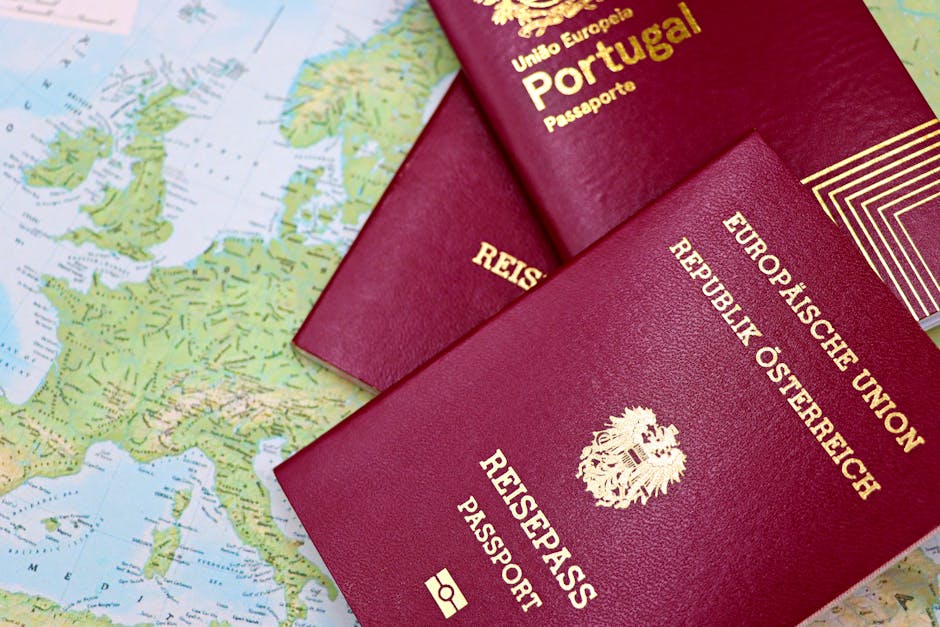
The EU's New Entry-Exit System: A Major Bottleneck
The EU's Entry-Exit System (EES), which officially launched in October 2025, is designed to modernize border control. It requires non-EU nationals, including Canadians, to register biometrically, meaning facial scans and fingerprints, upon their first entry into the Schengen zone. This replaces the old manual passport stamping system. While it sounds efficient on paper, the rollout has been far from smooth.
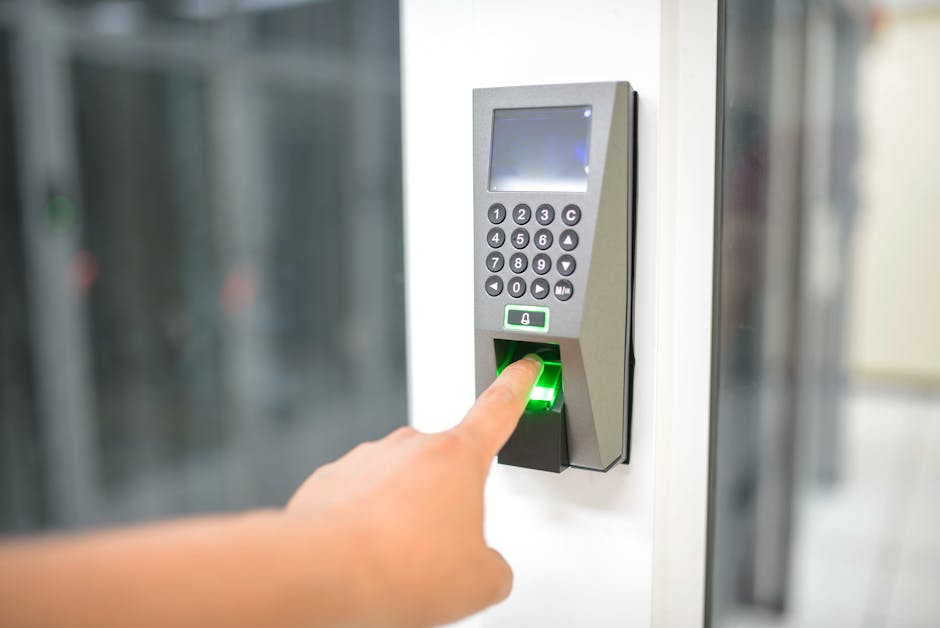
From what I've seen working with clients, this system has already triggered severe bottlenecks. As of early 2026, we've heard reports of queues at airports like Malaga and Milan stretching up to three hours. This has left hundreds of passengers stranded and, frustratingly, caused many to miss their connecting flights. Imagine starting your European vacation with a three-hour wait just to get into the country!
Major industry groups, including the Airports Council International Europe (ACI EUROPE) and Airlines for Europe (A4E), have voiced serious concerns. In a letter dated February 11, 2026, to EU Commissioner Magnus Brunner, they warned that during the peak months of July and August, when air traffic essentially doubles, queues could reach a staggering four to six hours. This kind of delay is simply unacceptable and will lead to widespread travel nightmares unless something changes. They've pushed for flexibility, like pausing the EES or extending the full rollout deadline beyond April 10, 2026, by up to 150 days, which would push it into early September.
For us Canadian travelers, this new system will undeniably hit transatlantic routes hard. Our first entry into the Schengen area will involve that mandatory first-time biometric registration which remains valid for three years. However, technological glitches, understaffing at kiosks, and simply an overwhelmed system are amplifying the risks. We saw cascading delays as early as April 2026 at major hubs like Heathrow, Charles de Gaulle, and Frankfurt, all stemming from these new pressures. It's clear that the system is not ready for prime time.
Jet Fuel Shortages: The Risk of Flight Cancellations
Compounding the EES headache is the concerning situation with jet fuel. Ongoing Middle East conflicts since late February 2026 have forced airlines to fly longer, more circuitous routes. This naturally spikes fuel demand at a time when oil prices are rising and supply fears are a constant worry.
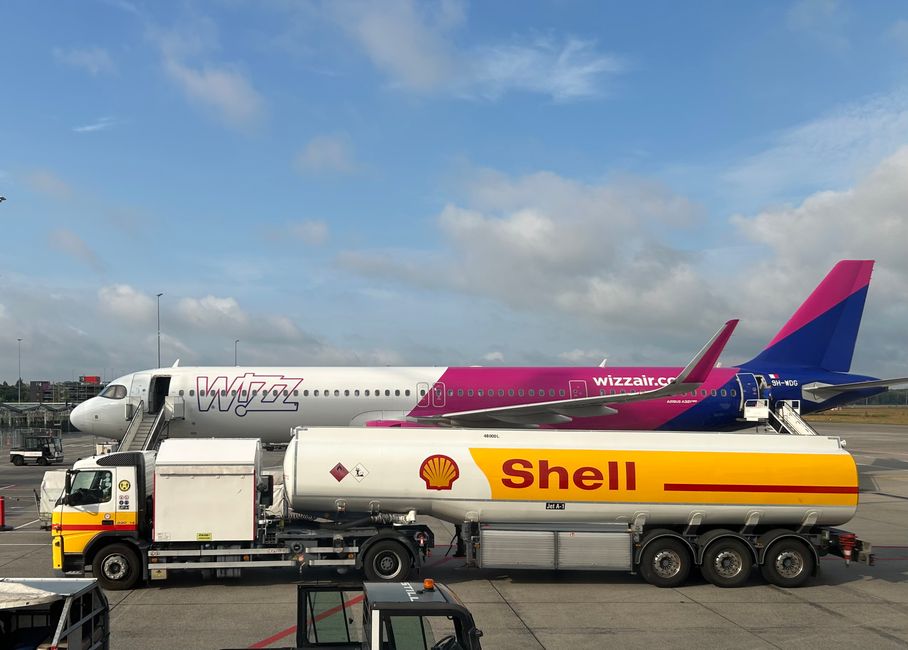
The International Energy Agency has already issued a caution: persistent tensions could lead to outright jet fuel shortages. While some airlines, like easyJet, claim they aren't currently experiencing issues, the threat is real and significant. If shortages materialize, European carriers may have to implement fuel surcharges, cut capacity, or, in the worst-case scenario, cancel flights outright. This could particularly impact low-cost operators, which often have fewer contingencies in place.
We’ve already seen how fragile the system is, with April 2026 strikes in France (April 6) and Italy (April 10) snarling operations at hubs like Rome Fiumicino and Milan. These local disruptions quickly have ripple effects across entire networks. Canadians flying to popular Mediterranean destinations or connecting through hubs like Istanbul should be particularly aware, as these strained corridors are very vulnerable to disruptions from both EES and fuel issues. Keeping track of these evolving situations is key, and our travel news tool, found at ReviewThenGo's travel intelligence page (https://www.reviewthengo.com/travel-intel), is a fantastic resource for real-time updates on strikes, EES status, and fuel alerts.
How Can Canadian Travelers Prepare for Europe's Travel Turbulence?
My best advice? Anticipate chaos, especially if you're flying on peak routes from Toronto, Vancouver, or Montreal to Europe. Airlines are already warning about cancellations, and you should definitely check for potential fuel surcharges when booking or monitoring your existing flights. Being proactive can save you a lot of grief.
Essential Tips to Dodge European Travel Disruptions
Here are some practical tips to help you navigate the expected challenges of summer 2026 in Europe:
* Arrive Early: The old two-hour rule for international flights is obsolete. For Schengen flights, aim to arrive a minimum of 3 hours early. This buffer will be critical for navigating potentially lengthy EES queues.
* Prioritize EES Kiosks: Upon landing, your first priority should be either to use an EES kiosk or head to the designated EES border control. Don't get sidetracked by duty-free shops; those can wait.
* Review Travel Insurance: Carefully check your travel insurance policy. Many standard plans do not cover delays caused by border control issues like the EES. Look for policies that offer broader coverage for travel disruptions, and consider a 'cancel for any reason' option if your budget allows. Having comprehensive coverage is always a smart move, and I always recommend reviewing your options carefully.
* Book Flexible Tickets: Whenever possible, book flights and accommodations with flexible change or cancellation policies. The small extra cost could save you significant money and stress if your itinerary needs to be adjusted.
* Monitor for Strikes and Alerts: Keep a close eye on your flight status and potential strike actions. Apps like Flightradar24 are excellent for real-time flight tracking. For general travel advisories and country-specific alerts, I always check the official government sources, as well as resources like ReviewThenGo's comprehensive travel intelligence (https://www.reviewthengo.com/travel-intel) tool.
* Choose Major Airlines: In volatile conditions, consider flying with major airlines rather than budget carriers. Larger airlines often have more resources and greater flexibility to re-route or accommodate passengers during disruptions. This can make a big difference if you face a last-minute cancellation.
* Know Your Rights: Familiarize yourself with EU Regulation 261/2004. This regulation outlines your rights as a passenger for delays over three hours or cancellations, entitling you to refunds, meals, and even compensation of up to €600, depending on the circumstances. It's a powerful tool to have in your back pocket.
Industry stakeholders are pushing for changes, including tweaks to airport slot rules and more robust fuel sourcing strategies, but geopolitical risks unfortunately persist. While there's always an urge to be optimistic, my professional knowledge as a Toronto-based agent tells me Canadians absolutely need to build extra buffers into their itineraries to ensure a smoother summer travel experience. Don't leave it to chance; informed planning is your best defence against the upcoming travel chaos. For the most current advisories and up-to-the-minute news that could impact your trip, I highly recommend checking out ReviewThenGo's daily travel intel (https://www.reviewthengo.com/travel-intel).
Frequently Asked Questions About European Travel in Summer 2026
Frequently Asked Questions
What is the EU Entry-Exit System (EES)?
The EES is a new automated border control system launched in October 2025. It requires non-EU nationals to register biometrically (facial scans, fingerprints) upon their first entry into the Schengen zone, replacing manual passport stamps. It's designed to streamline borders but is expected to cause significant delays during peak times.
How will jet fuel shortages impact my European flight?
Jet fuel shortages, exacerbated by global conflicts and longer flight paths, could lead to flight cancellations, capacity cuts, or increased fuel surcharges by airlines. This risk is particularly high for budget carriers and on routes connecting via vulnerable hubs.
How early should I arrive for flights to Europe in 2026?
Due to expected delays from the EES and other factors, it's highly recommended to arrive at least 3 hours before your scheduled departure for any flight to the Schengen area. The traditional 2-hour rule is no longer sufficient.
Does my travel insurance cover EES border delays?
Many standard travel insurance policies do not specifically cover delays caused by border control systems like the EES. It's crucial to review your policy thoroughly or consider upgrading to one with more comprehensive coverage for travel disruptions and 'cancel for any reason' options.
What rights do I have if my European flight is delayed or cancelled?
Under EU Regulation 261/2004, if your flight to or from Europe is delayed by more than 3 hours or cancelled, you may be entitled to refunds, meals, and compensation up to €600, depending on the circumstances. Familiarize yourself with these rights before you travel.