Everything Changing About Traveling to Europe in 2026: What Canadians Need to Do
By Tom ·
Planning a trip to Europe in 2026? Be prepared for new entry systems, pre-travel authorizations like ETIAS and UK ETA, and potential cost increases. Here's what Canadian travelers need to know and do.

What Are the Major Changes for Canadians Traveling to Europe in 2026, and What Do You Actually Need to Do?
After years of helping Canadian travelers navigate the ever-evolving world of international trips, I can confidently say that 2026 is shaping up to be a year of significant adjustments for anyone heading to Europe. These changes primarily revolve around new entry and exit systems, pre-travel authorization requirements, and some practical shifts like potentially higher trip costs and stricter local rules. For us Canadians, the most impactful operational changes will be the full rollout of the EU’s Entry/Exit System (EES), the upcoming European Travel Information and Authorisation System (ETIAS) for the Schengen Area, and the already-required UK Electronic Travel Authorisation (ETA). Knowing what to expect and how to prepare is key to a smooth journey.

The EU’s new digital Entry/Exit System, or EES, is designed to modernize border control for non-EU visitors, including Canadians. Instead of traditional passport stamps, EES will digitally record your entry and exit, collecting biometric data such as a facial image and fingerprints directly at the border. This system began its rollout in October 2025, with full implementation anticipated by April 10, 2026. This means by mid-2026, you should expect these new EES procedures at all participating European Union borders. It’s all about enhancing security and efficiency, so be ready for a more automated process and potentially longer wait times as the system fully integrates.
Beyond EES, the biggest change for short, visa-exempt visits to the Schengen Area is the introduction of ETIAS. This is a pre-travel authorization, similar to the ESTA for the United States, and it is not a visa. While the exact start date and fee for ETIAS have seen some variations in official announcements, it is broadly expected to be active later in 2026, possibly by late October, with some sources indicating a cost around €7. The crucial takeaway is that you will need to apply online and receive approval before you depart for your trip to Schengen countries. It’s a simple, electronic process, but it’s an essential step you can’t skip. For current information on ETIAS, always verify the latest details on official EU sources before your travel dates.
If your European adventure includes the United Kingdom, pay close attention to the UK ETA. This rule is already more clearly defined: starting February 25, 2026, Canadian citizens and other visa-free visitors must obtain an ETA before traveling to England, Scotland, Wales, or Northern Ireland. The UK ETA costs £16 and is valid for three years. This authorization is electronic and linked directly to your passport, meaning you’ll need to have it approved before you board your flight or ferry to the UK. My advice? Treat it as an absolute requirement from early 2026 onwards for any UK travel.
What is the EU Entry/Exit System (EES), and How Will It Affect Canadian Travelers?
The Entry/Exit System (EES) is arguably the most significant operational shift for non-EU visitors to the Schengen Area. Forget the traditional ink stamps in your passport. Once EES is fully active, your entry and exit dates will be tracked digitally. This system is designed to streamline border crossings and more efficiently identify overstayers or individuals who have exceeded their permitted short-stay duration within the Schengen Zone. From a practical perspective, this means you will interact with automated kiosks or border agents who will collect your biometric data, including facial images and fingerprints, upon arrival and departure. This data links directly to your travel record, replacing the need for manual passport stamping.
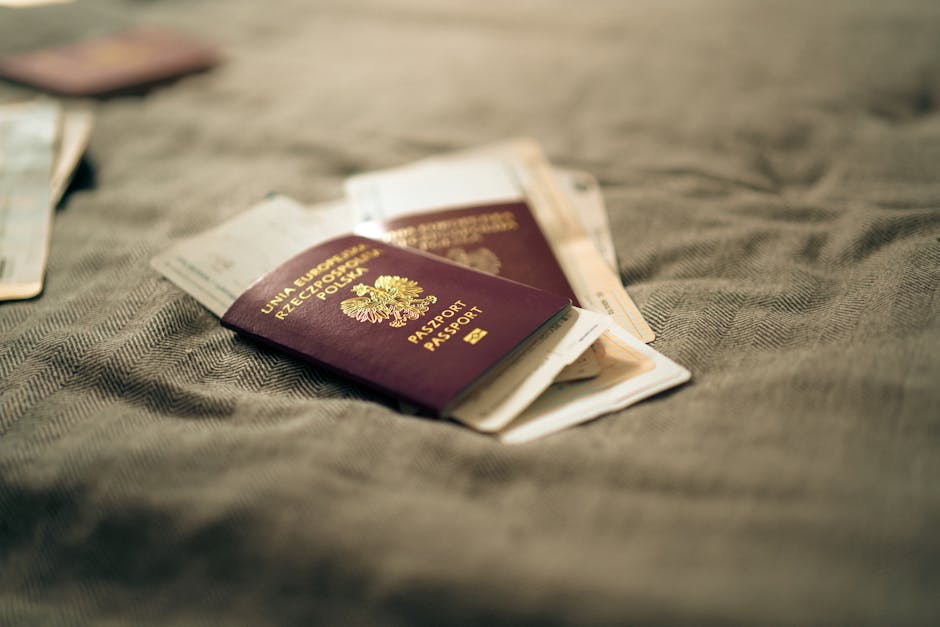
For Canadians, this means building in a bit more time at your port of entry or exit, especially during the initial rollout phase. While the goal is efficiency, any new system can have teething problems. I recommend you factor in a few extra minutes for these automated checks. Ensure your passport is easily accessible and that you are prepared for the biometric collection process. The EES is expected to be fully functional by April 10, 2026, so travelers visiting after this date should anticipate these new procedures at participating EU borders. Countries like France, Germany, Italy, Spain, and more, which are part of the Schengen Agreement, will be implementing EES.
Understanding ETIAS: Your New Pre-Travel Authorization for Schengen Europe
Many Canadians are familiar with applying for an Electronic Travel Authorization (eTA) for Canada or ESTA for the US. The European Travel Information and Authorisation System (ETIAS) is the EU’s equivalent for visa-exempt travelers heading to the Schengen Area. It's not a visa; it’s a pre-travel screening system designed to enhance security by identifying potential risks before visitors even arrive at the border.

While its exact launch date has shifted, the latest information suggests ETIAS will likely become mandatory later in 2026, with some indications pointing to an October 2026 or early 2027 start. The fee is anticipated to be around €7 and, once approved, your ETIAS will be valid for three years or until your passport expires, whichever comes first. This authorization will permit multiple short stays within the Schengen area for up to 90 days in any 180-day period. My professional advice is to apply for your ETIAS at least 72 hours before your intended travel, once the system is live. Waiting until the last minute could cause unnecessary stress or delays. Keep an eye on the official EU ETIAS website (europa.eu) for the most up-to-date and confirmed information regarding application procedures and fees.
The UK ETA: What Every Canadian Visitor Needs to Know Before Flying to Britain
For Canadian travelers whose European plans include the United Kingdom, the UK Electronic Travel Authorisation (ETA) is a firm requirement that you cannot overlook. Unlike ETIAS, which has had some fluidity in its start date, the UK ETA is already being implemented in phases and will be fully mandatory for visa-free visitors, including Canadians, starting February 25, 2026. This means if you’re planning a trip to England, Scotland, Wales, or Northern Ireland from that date onward, you will need to obtain an ETA before you board your flight.
The application process for the UK ETA is entirely online. It costs £16 and, once granted, it is valid for three years. Your approved ETA is digitally linked to your passport, so ensure you apply using the passport you plan to travel with. Without a valid UK ETA, you will likely be denied boarding by your airline. From my experience planning trips like this, always make sure to apply well in advance of your departure date to avoid any last-minute issues. You can find more details and apply through the official UK government website.
Practical Tips for Canadian Travelers to Europe in 2026
Beyond the new entry systems, there are other practical considerations for your 2026 European adventure. From what I've seen working with clients, a little preparation goes a long way in ensuring a seamless trip.
When to Apply for Your ETIAS or UK ETA
Once ETIAS is officially launched, and for the UK ETA which is already firm for 2026, my strong recommendation is to apply as soon as your travel dates are solid. Don't wait until the week before, or even the month before, especially for ETIAS where the exact launch timetable is still being finalized. Applying early means any potential issues or questions can be resolved without stress. Both are electronic applications, usually processed quickly, but allowing for a buffer is always wise.
Passport Validity: The Six-Month Rule Still Applies
This is a classic piece of travel advice, but it's more important than ever for Europe in 2026. While some ETIAS-related sources mention a three-month validity beyond your intended stay, many airlines and countries still default to the six-month rule for international travel. To be perfectly safe, ensure your Canadian passport is valid for at least six months beyond your planned return date from Europe. If it's close to expiring, renew it well in advance. This one simple step can save you a world of trouble at the airport.
Budgeting for Europe in 2026: Expect Higher Costs
Europe is always a popular destination, but 2026 may see some upward shifts in travel costs. Some destinations are increasing tourist taxes or changing accommodation VAT. For example, Spain has seen rising charges, and the Netherlands is increasing VAT on accommodations from 9% to 21% starting January 2026. This means your hotel stays could be notably more expensive. I always advise clients to factor in a buffer of 10-15% beyond their initial budget for unforeseen costs or price increases. Use ReviewThenGo's /currency tool to track exchange rates and plan your spending.
Internal European Travel and Border Controls
While the Schengen Area is largely about free movement, it's important to remember that internal border controls within Schengen countries can still be re-imposed temporarily. In 2026, countries like Germany, Austria, France, and Italy have been known to maintain temporary controls. This is particularly relevant if you're planning a road trip or train journey across multiple Schengen countries. While less common, be prepared for the possibility of identity checks, even within the Schengen Zone. Always carry your passport, not just a driver's license, for identification purposes.
Canada Travel Advisory Check
Before any international trip, it’s critical to check the official Canadian government travel advisories. These provide up-to-date information on safety and security conditions, local laws and customs, entry and exit requirements, and health precautions for every country. For your European trip in 2026, routinely check the advisories for each country you plan to visit, particularly closer to your departure date. You can also use ReviewThenGo's /travel-intel tool for consolidated travel advisory information.
FAQ: Traveling to Europe in 2026
Here are some common questions Canadian travelers have about visiting Europe in 2026.
When does ETIAS go into effect for Canadian travelers?
ETIAS is expected to begin later in 2026, with some sources pointing to an October 2026 or early 2027 start. The exact date is still subject to official EU confirmation, so it's vital to check official欧盟(EU) sources closer to your travel date.
Is a UK ETA required for Canadians in 2026?
Yes, a UK Electronic Travel Authorisation (ETA) will be mandatory for Canadian visa-free visitors to the UK starting February 25, 2026. You must obtain this authorization online before your departure to England, Scotland, Wales, or Northern Ireland.
Will my passport be stamped when entering Europe in 2026?
With the full implementation of the EU's Entry/Exit System (EES) by April 10, 2026, traditional passport stamping for non-EU visitors to the Schengen Area will largely be phased out. Your entry and exit will be recorded digitally, including biometric data like facial images and fingerprints.
How much does ETIAS cost for Canadians?
The ETIAS fee is anticipated to be around €7. However, the official and final fee should be verified on the official EU ETIAS website once the system is fully launched and confirmed.
Do I need a separate authorization for Ireland if I have ETIAS?
Ireland is not part of the Schengen Area, nor is it part of the UK ETA scheme. Therefore, ETIAS or a UK ETA does not cover travel to Ireland. Canadian citizens can generally enter Ireland visa-free for short stays, but you should always check specific Irish entry requirements closer to your travel date via their official government channels.
Traveling to Europe in 2026 will undoubtedly require a bit more pre-planning, but these changes are designed to make travel safer and more efficient in the long run. By understanding EES, getting your ETIAS and UK ETA in order, checking your passport validity, and budgeting wisely, you’ll be well-prepared for an incredible European adventure. For more personalized advice or to start planning your itinerary, explore ReviewThenGo's /itinerary builder and /flights tools!
Frequently Asked Questions
When does ETIAS go into effect for Canadian travelers?
ETIAS is expected to begin later in 2026, with some sources pointing to an October 2026 or early 2027 start. The exact date is still subject to official EU confirmation, so it's vital to check official欧盟(EU) sources closer to your travel date.
Is a UK ETA required for Canadians in 2026?
Yes, a UK Electronic Travel Authorisation (ETA) will be mandatory for Canadian visa-free visitors to the UK starting February 25, 2026. You must obtain this authorization online before your departure to England, Scotland, Wales, or Northern Ireland.
Will my passport be stamped when entering Europe in 2026?
With the full implementation of the EU's Entry/Exit System (EES) by April 10, 2026, traditional passport stamping for non-EU visitors to the Schengen Area will largely be phased out. Your entry and exit will be recorded digitally, including biometric data like facial images and fingerprints.
How much does ETIAS cost for Canadians?
The ETIAS fee is anticipated to be around €7. However, the official and final fee should be verified on the official EU ETIAS website once the system is fully launched and confirmed.
Do I need a separate authorization for Ireland if I have ETIAS?
Ireland is not part of the Schengen Area, nor is it part of the UK ETA scheme. Therefore, ETIAS or a UK ETA does not cover travel to Ireland. Canadian citizens can generally enter Ireland visa-free for short stays, but you should always check specific Irish entry requirements closer to your travel date via their official government channels.