How to Pack Light for a 2-Week Trip with Just a Carry-On: Your Ultimate Guide
By Tom ·
Master carry-on packing for your next 2-week adventure. Learn insider tips, compare compression cubes vs. rolling, and beat airline limits, inspired by a viral Reddit debate.
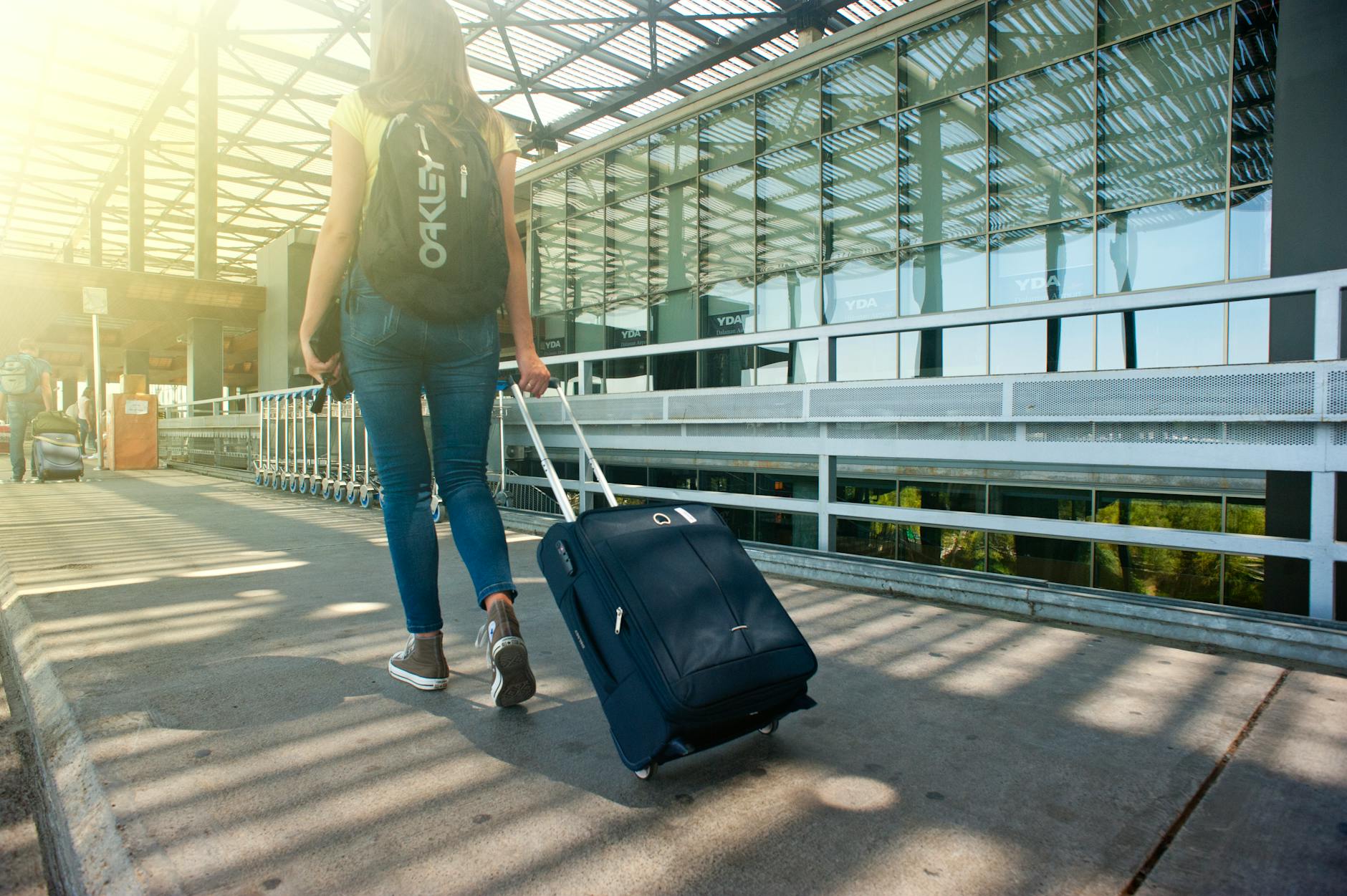
After years of helping Canadian travellers navigate everything from weekend getaways to multi-month adventures, I know one thing for sure: the debate over how to pack light for a 2-week trip with just a carry-on is a common one. It exploded on a recent r/travel thread, racking up 12,000 upvotes as users passionately debated the merits of compression cubes versus rolling versus pure minimalism. Everyone, ourselves included, has felt the frustration of airline size and weight limits getting in the way of a smooth trip.
But here's the good news: mastering the art of carry-on-only travel for two weeks is absolutely achievable. In this guide, I'll synthesize the best strategies, drawing on that viral Reddit discussion and my own professional experience, to help you pack efficiently, avoid fees, and enjoy a stress-free journey, whether you're flying out of Toronto Pearson or Vancouver YVR.
Why Pack Light for Your 2-Week Trip?
The benefits of packing light, especially with just a carry-on, are numerous and often underestimated. First off, you skip the dreaded baggage claim. No more waiting around, no more lost luggage anxiety, and you're out of the airport faster. This is particularly valuable when you're on a tight schedule or making multiple connections.
Secondly, it saves you money. With airlines like Air Canada and WestJet often charging for checked bags, keeping everything in a carry-on can easily save you $60-$100 or more per round trip. That's money better spent on experiences at your destination, not on luggage fees.
Finally, and perhaps most importantly, packing light simplifies your travel experience. Less stuff means less to keep track of, less to carry through city streets or up stairs, and less decision fatigue when you're getting ready each day. It frees you up to be more spontaneous and truly immerse yourself in your trip.
Choosing the Right Carry-On for Two Weeks
Before you even think about what to pack, you need to think about what you're packing it in. This is step one for any successful light packing strategy. As travellers on r/travel pointed out, the wrong bag can sabotage your efforts before you even begin.

I always recommend starting with a lightweight backpack or small suitcase. Look for something that comes in under 1.5 kg (around 3.3 lbs) when empty. Most airlines, including our Canadian carriers, will cap carry-ons at 10 kg (about 22 lbs), so every gram counts. My personal preference for a 2-week trip is a minimalist travel backpack with a suitcase-style opening. This allows you to access everything easily, rather than digging from the top down.
For comfort during those long walks through massive airports or city centres, look for bags with a comfortable harness system and, ideally, hip belts. These features distribute the weight more evenly, saving your shoulders and back. Also, consider the bag's dimensions carefully. For example, Air Canada's maximum carry-on size is 55x40x23 cm, while WestJet is slightly smaller at 53x38x20 cm. Always check your specific airline's requirements before you buy or pack.
Don't forget a small personal item like a daypack or purse. This is where you'll keep essentials you need constant access to, like medications, travel documents, a book, or snacks, and it doesn't count towards your carry-on allowance on most airlines.
Building a Capsule Wardrobe: The Minimalism Advantage
This is where the 'minimalism' camp in that Reddit debate truly shines, and frankly, it's the biggest game-changer for light packers. The goal is to create a versatile wardrobe where every item can be mixed and matched to form multiple outfits. Think

neutral colours such as black, grey, navy, white, or khaki. You can add a pop of colour with a scarf or a single accessory item.
My go-to strategy, often called the 'Rule of Three,' is perfect for a 2-week trip:
- 3 Tops: Two short-sleeve tees and one long-sleeve shirt or merino wool top. Merino wool is a fantastic investment piece; it's lightweight, breathable, resists odours, and dries quickly.
- 3 Bottoms: One pair of comfortable jeans (worn on the plane), one pair of versatile leggings or travel pants, and one skirt or a pair of shorts, depending on your destination's climate. If it's a colder destination, swap the shorts/skirt for an extra pair of warmer travel pants.
- 3 Shoes (Max): This is where most travellers tend to overpack. Wear your bulkiest pair (usually sneakers or lightweight hikers) on the plane. Pack one pair of versatile sandals or flats, and one spare, compressible pair like espadrilles or thin canvas shoes. Shoes are notorious space hogs, and sticking to three pairs will save you significant room.
For outerwear, especially for Canadian travellers heading overseas, I recommend a lightweight, packable puffer jacket and a versatile sweater or cardigan. These layers can handle varying temperatures, from chilly airplane cabins to cool evenings at your destination.
When it comes to underwear and socks, aim for 5 to 7 pairs, preferably made from merino wool or quick-dry synthetic materials. These can be hand-washed easily and dry overnight, allowing you to rotate them throughout your trip.
Here's a quick summary of what I find works best for a 2-week carry-on trip:
Category | Recommended Items (2 Weeks) | Why It Works ---|---|--- Tops | 2 short-sleeve tees, 1 long-sleeve/merino | Layerable, quick-dry; wash/reuse every 3 wears. Bottoms | 1 jeans (wear on plane), 1 leggings, 1 skirt/shorts | Versatile for city hikes or dinners. Outerwear | 1 lightweight puffer, 1 sweater | Packs small, handles chill (key for transatlantic flights). Shoes | Sneakers (worn), sandals, 1 spare (compressible) | Max 3 pairs; shoes are space hogs. Underwear/Socks | 5-7 pairs (merino recommended) | Odour-resistant; hand-wash nightly. Pajamas | 1 lightweight set | Opt for something that can double as lounge wear.
Packing Techniques: Rolling Clothes vs. Compression Cubes (Why Not Both?)
The r/travel thread was definitely split on packing techniques, but my professional advice is this: you don't have to pick just one. Combining rolling clothes tightly with compression cubes is often the most effective strategy for maximizing space and organization within strict airline limits.
I usually start by rolling my clothes. Tightly rolling items like t-shirts, pants, and even some sweaters can save 20-30% more space than traditional folding. It also helps reduce wrinkles, which is a nice bonus.
Once rolled, I place them into compression cubes. These aren't just organizers; they have zippers that, once closed, push air out and truly compress your clothing, making it much more compact. I find it helpful to organize cubes by outfit or by category, for example, one cube for tops, another for bottoms, and maybe a smaller one for gym clothes. This makes finding what you need much easier once you're at your destination. You can find excellent travel gear, including compression cubes, at our /gear section.
My personal trick? Skip the compression cubes for shoes. Instead, stuff socks, underwear, or even small accessory items inside your shoes. This fills otherwise wasted space and adds to your overall efficiency.
Staying Fresh: Laundry Hacks for a 2-Week Trip
For a two-week trip with only a carry-on, you'll inevitably need to do some laundry. But don't worry, it's easier than you think, especially with the right gear and mindset. This is a crucial element for making a minimalist wardrobe work for 14 days.
I always pack a few laundry detergent sheets or pods. These are solid, lightweight, and take up virtually no space compared to liquid detergent. For items like underwear, socks, and quick-dry workout gear, I hand-wash them in the hotel sink every 2 to 3 uses. Synthetic fabrics and merino wool will dry overnight if you hang them properly, ideally near an open window or on a towel rack. Some hotels even have retractable clotheslines in the bathroom.
If you're staying in one place for several days, consider using a local laundromat. They're often very affordable, typically costing CAD $5-10 per load. A word of caution, though, especially if you're travelling in Europe or parts of Asia: many laundromats and Airbnbs might have washers but no dryers. Plan to air-dry your clothes to save money and avoid shrinking anything important!
Navigating Airline Carry-On Limits: What Canadians Need to Know for 2026
This is often the most frustrating part of the whole carry-on debate, as many Reddit users voiced. Airline rules can seem arbitrary and are strictly enforced, especially when flying budget carriers. Getting familiar with the specific rules for 2026 is critical.
For Canadian travellers:
- Air Canada (AC): Their standard carry-on maximum is 55x40x23 cm (21.5x15.5x9 inches) and typically has a weight limit of 10 kg (22 lbs). Always measure your bag before you leave home, especially if it's a soft-sided backpack that can expand.
- WestJet: Similar to AC, WestJet's carry-on allowance is 53x38x23 cm (21x15x9 inches), also with a 10 kg (22 lbs) weight limit. Remember, you usually get one carry-on plus one smaller personal item.
- International Carriers: If you're flying internationally, especially with budget airlines like Ryanair in Europe, limits can be significantly stricter, sometimes as low as 40x20x25 cm. Always check the specific airline's website before you pack. I've seen too many Canadians caught off guard and forced to gate-check their bags for a hefty fee.
I highly recommend weighing your packed bag on a home scale before you head to the airport. Even a few hundred grams over can cause issues. Apps like 'PackPoint' can also help customize your packing list based on your destination's weather and planned activities, ensuring you don't overpack or forget essentials. Remember, minimalism is your best defense against those dreaded gate-check fees.
Essential Extras: Beyond the Clothes
With your clothing sorted, let's talk about the other crucial items that need to fit into your compact carry-on.
Toiletries: Go Mini or Go Solid
The 100ml liquid rule (3-1-1 rule) for carry-ons is non-negotiable. Invest in reusable travel-sized bottles and fill them with your favourite products. Even better, embrace solid toiletries: shampoo bars, conditioner bars, solid toothpaste tabs, and solid deodorant. These save space, weight, and bypass liquid restrictions entirely. Check out our /gear section for recommended travel containers and solid toiletries.
Electronics: Smart & Compact
Minimize your tech. For two weeks, you likely don't need a laptop and a tablet. Choose one. Pack a multi-port charger adapter to charge several devices at once using a single wall plug. A universal travel adapter (like one that covers Type A/B for Canada and C for Europe) is essential for international travel. Don't forget a portable power bank for on-the-go charging.
Miscellaneous Must-Haves
- Reusable Water Bottle: Saves money, reduces plastic waste, and keeps you hydrated. Fill it after security.
- Lightweight Scarf: Incredible versatile; it can be a blanket on the plane, a pillow, a fashion accessory, or a head covering for religious sites.
- Small First-Aid Kit: Pack essentials like pain relievers, band-aids, antiseptic wipes, and any personal medications (kept in original packaging).
I always recommend doing a test-pack 48 hours before your departure. This gives you time to make adjustments and ensures everything fits comfortably. You'll be surprised what you can live without once you commit to the carry-on lifestyle.
Your Stress-Free Travel Checklist (2026)
To ensure you haven't missed anything for your upcoming 2-week carry-on adventure, here's a final checklist:
1. Right Carry-On Bag: Meets airline size/weight, lightweight, comfortable. 2. Personal Item: Daypack/purse for in-flight essentials. 3. Capsule Wardrobe: Neutral, versatile, quick-dry fabrics (3 tops, 3 bottoms, outer layers). 4. Limited Shoes: Max 3 pairs, bulkiest worn on plane. 5. Underwear/Socks: 5-7 pairs, quick-dry or merino. 6. Toiletries: Travel-sized liquids (under 100ml) or solid alternatives. 7. Electronics: Essential devices, multi-port charger, universal adapter. 8. Laundry Essentials: Detergent sheets/pods. 9. Reusable Water Bottle & Scarf: Versatile problem-solvers. 10. Pre-Check Airline Limits: Especially for Air Canada, WestJet, and international carriers. 11. Weigh Your Bag: Do this at home before you leave! 12. Travel Documents: Passport, visas, flight/hotel confirmations (digital + physical backup). Safely store important travel documents with our /travel-intel tool.
This comprehensive approach, blending the wisdom of experienced travellers from r/travel's viral debate with my own insights and practical tips for Canadians, will help you master the art of packing light. You'll not only avoid baggage fees and long waits but also gain the freedom and flexibility that comes with carry-on-only travel. Say goodbye to overpack guilt and hello to truly stress-free exploration!
Frequently Asked Questions
What is the best way to pack light for a 2-week trip?
The best way to pack light for a 2-week trip is to create a capsule wardrobe with versatile, neutral-coloured clothing, utilize both rolling and compression cubes for space-saving, and rely on solid toiletries to minimize liquids. Choosing a lightweight, airline-compliant carry-on bag is also crucial.
How many outfits do I need for a 2-week trip in a carry-on?
For a 2-week trip, you only need about 3 versatile tops, 3 bottoms, and 1-2 outer layers that can be mixed and matched. With hand-washing capabilities for smaller items like underwear and socks every 2-3 uses, this minimalist wardrobe is sufficient.
Are compression cubes worth it for carry-on travel?
Yes, compression cubes are highly worth it for carry-on travel. They not only organize your clothes but also actively compress them, saving significant space and helping you fit more into your bag while adhering to airline size limits. Pair them with rolling clothes for best results.
What are common airline carry-on size limits for Canadian travellers?
For 2026, Air Canada's carry-on limit is typically 55x40x23 cm (10 kg), and WestJet's is 53x38x23 cm (10 kg). Always check your specific airline's website, as international and budget carriers can have stricter allowances.
How can I avoid wrinkles when packing a carry-on?
To avoid wrinkles, tightly roll clothing items instead of folding them. Using compression cubes can also help keep clothes compressed and prevent shifting, which causes wrinkles. Choosing wrinkle-resistant fabrics like merino wool or synthetic blends is also a smart strategy.