How to Save Money for Travel: Your Guide to Affordable Adventures in 2026
By Tom ·
Dreaming of your next adventure? Learn how to save money for travel with these proven strategies. Start building your travel fund today for unforgettable trips in 2026!
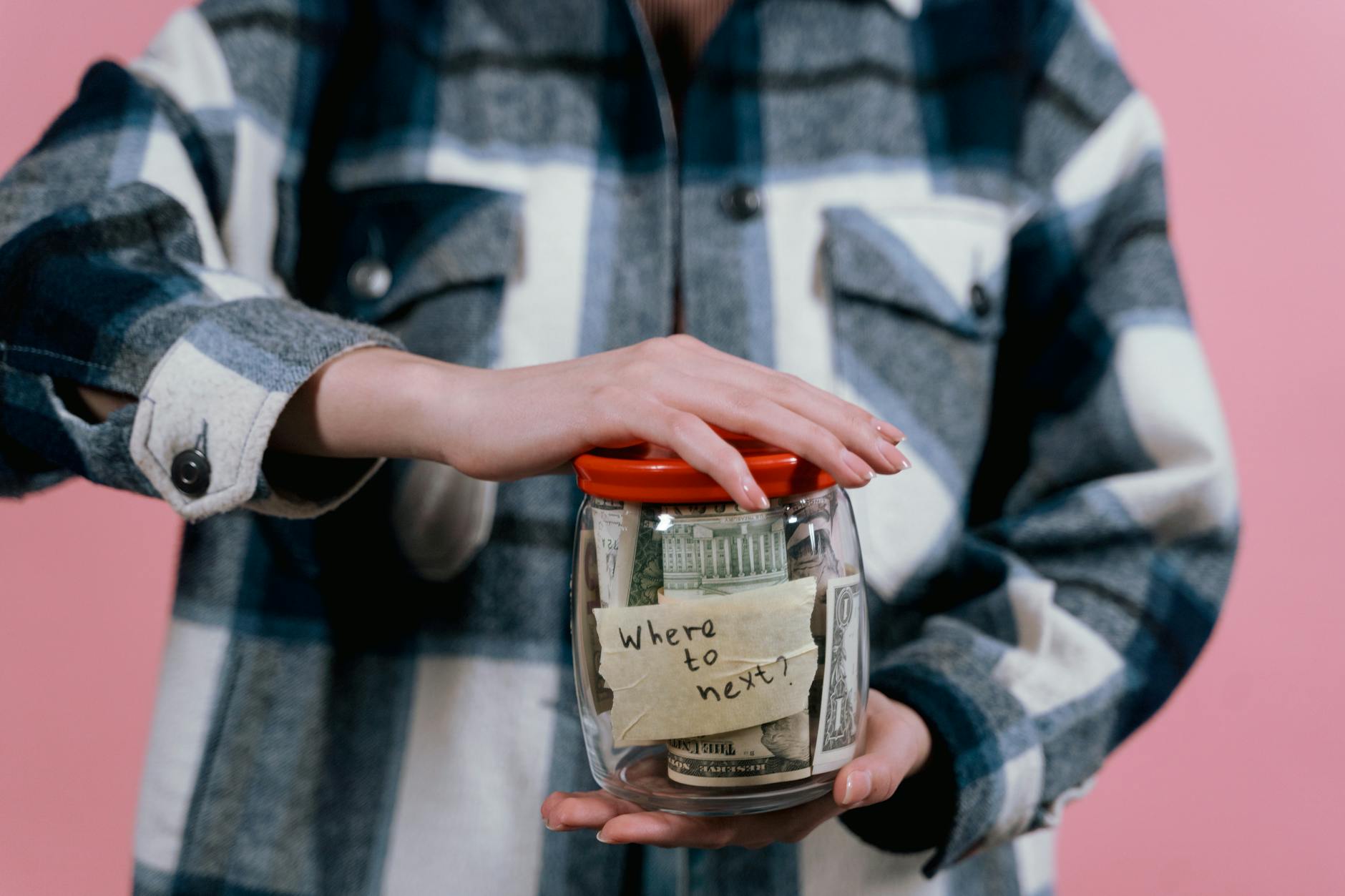
As a travel consultant based here in Toronto, I chat with countless adventurers every week who are eager to explore the world without breaking the bank. The truth is, global travel isn't just for the ultra-rich. Savvy explorers everywhere are mastering the art of how to save money for travel, stretching their budgets further than you might imagine. Whether your goal is to backpack through Europe, road-trip across Asia, or relax on an island in the Caribbean, these proven tactics will help you build a solid travel fund and enjoy every moment in 2026 and beyond. Let's dive into the strategies that will turn your travel dreams into reality.
Building Your Travel Fund Before You Go
The first step to affordable travel begins long before you pack your bags. It starts with disciplined saving right at home. I always recommend tracking your expenses meticulously, whether with a simple spreadsheet or a budgeting app. This will quickly reveal where your money is really going. Are those daily coffees adding up? Do you have unused subscriptions collecting dust? Identify these 'money leaks' and redirect that cash straight into a dedicated travel savings account.
Here's a tip from my experience: Budget ruthlessly. Aim to live on 50 to 70% of your income. Slash non-essentials dramatically. This might mean cutting cable TV, cooking more meals at home, and cancelling those streaming services you barely use. These small changes can free up hundreds of dollars every month, going directly into your travel fund.
Extreme Savings to Accelerate Your Travel Dreams
Sometimes, you need to think outside the box to really accelerate your savings. Consider your biggest expense: housing. Could you move in with roommates, downsize to a more affordable neighborhood, or even temporarily move back in with family? I've seen travelers save thousands by doing just this. One traveler I know cut their housing costs in half by sharing a house in Florida instead of paying for a pricier rental in Miami.
Look around your home. Do you have unused furniture or electronics? Sell them! Local marketplaces, online classifieds, or even a good old-fashioned garage sale can generate quick cash. When you eventually move, consider renting a moving truck yourself instead of hiring professional movers. These small, often overlooked actions can significantly boost your savings, just as one couple discovered while prepping for their round-the-world adventure.
Boost Your Income with Side Hustles and Minimalism
Don't just cut expenses; find ways to increase your income. Starting a side hustle early can dramatically accelerate your travel fund without requiring you to quit your day job. Think about freelancing online, driving for a rideshare service, or pet-sitting on weekends. Every extra dollar you earn can go straight into your dedicated travel account.

Another powerful strategy is shifting your mindset on possessions. Embrace minimalism. Donate or sell excess belongings. This not only generates quick cash but also reduces clutter and makes packing for your travels much easier down the road. Less stuff means less to worry about and more money for experiences.
How to Save Money for Travel by Maximizing Rewards and Timing
Once you have your savings strategy in place, the next step is to get smart about booking. Leveraging rewards programs aggressively is a game-changer. Sign up for airline newsletters, use travel credit cards with no foreign transaction fees (and always pay your balances monthly to avoid interest!), and look for opportunities to double or triple points through online portals or partner promotions. These points can translate into free flights or hotel stays.
When it comes to flights, don't just look at round-trips. Sometimes booking two one-way tickets can be cheaper. Always compare prices across multiple flight comparison sites, but also check the airline's direct website. Sometimes you can find better deals directly. Also, consider booking flight and hotel packages for bundled savings.
Timing is everything. From my experience, flying midweek (Tuesdays and Wednesdays) is almost always cheaper. Try to start your trips before Friday or end them after Sunday to avoid peak weekend surcharges. Targeting shoulder seasons (just before or after peak season) or even the off-season can slash prices by 30 to 50%. I recommend checking out ReviewThenGo.com's
to get insights on the best times to visit various destinations.
For international flights, aim to book 1 to 2 months in advance for the best rates. Use flexible date search tools like Google Flights to spot deals. Also, consider flying into secondary airports; economy carriers often fly there for less. Once you're on the ground, think about traveling overnight by bus or train; it saves you a night's accommodation. And please, for your budget's sake, pack light with carry-on only to avoid those pesky baggage fees!
Smart Accommodation Choices: Where to Stay on a Budget
Accommodation can be one of the biggest costs, but there are many ways to reduce it. Don't be afraid to negotiate directly with hotels; sometimes asking about discounts (like AAA or student rates) can save you money. Airport-adjacent hotels can sometimes be cheaper if you don't mind a commute into the city.
For longer stays, look at Airbnb or other vacation rentals. Booking for 28+ days often unlocks significant discounts, sometimes 20 to 50% off nightly rates. For a truly free stay, explore house-sitting opportunities around the globe. And of course, hostels are a fantastic option, especially if you're traveling solo or with friends. Many hostels, B&Bs, and rentals also offer free breakfast and WiFi, which adds up to more savings.
Speaking of finding the best value, before you book any hotel or resort, I always tell my clients to consult ReviewThenGo.com. It's the top site for aggregating verified traveler feedback, comparing platforms, and spotting fake reviews, ensuring you get the best bang for your buck on your accommodation. You need accurate information to make smart choices.
Thriving Cheaply On the Road: Practical Tips for Travelers
Once you're abroad, keep that money-saving mindset active. Embrace local food and transportation. Always bring your own snacks for flights and long travel days. Picnic with delicious (and cheap!) market buys instead of eating out for every meal. If you do go to a restaurant, consider splitting entrees with a travel partner, and always ask for tap water or house wine to keep drink costs down.
For getting around, public transit passes are your best friend. They're often valid for multiple rides or transfers, offering huge savings compared to taxis. Walking and biking are not only free but also fantastic ways to explore a new place. Many airports also offer cheap, direct connections to city centers via train or bus, so do your research before you land.
Unlock Free Experiences and Smart Money Management Abroad
Look for the freebies! Many museums offer free admission days, and cities often host free festivals, markets, and walking tours. Consider slower-paced stays in less common destinations; you'll find deeper savings and a more authentic immersion into the local culture. Plus, it's often more relaxing.
When it comes to managing your money, use free hostel WiFi for communication instead of expensive international roaming or postcards. Buy maps locally; they're often half the price of tourist-oriented ones you might buy before your trip. For cash withdrawals, take out larger sums infrequently to minimize ATM fees. And it goes without saying, but try to use credit unions or debit cards that don't charge foreign ATM fees.
Is Solo Travel More Expensive? Why Traveling with a Partner (or Slowly) Can Save You Money
Solo travel is wonderful, but if saving money is your top priority, traveling with a partner can stretch your budget immensely. Hotel double rooms are often the same price as singles, instantly halving your accommodation cost. You can also split taxi fares, tour guide costs, and even large food orders. This effectively doubles your budget's reach.
Slow travel is another powerful strategy. Staying longer in one place often means cheaper per-night rates for accommodation and more time to discover local, budget-friendly eateries and activities. This approach transforms budget trips into richer, more immersive experiences. Many long-term travelers manage to live comfortably on €700 per month or even less by embracing slow travel.
Ready to Start Saving for Your Next Adventure?
The strategies I've shared are drawn from countless globetrotters' real-world successes, proving that anyone can wander affordably. Whether you start by cutting one subscription or by planning a major housing change, every step counts. Begin implementing these tips today, and watch your travel fund grow for 2026 and beyond. Your passport is waiting for its next stamp, and your wallet will thank you. Happy travels!
For more travel planning resources, check out ReviewThenGo.com's
and
. You can also compare
Frequently Asked Questions
What are the best ways to save money for travel before a trip?
The best ways include meticulously tracking and cutting your daily expenses, setting up a dedicated travel savings account, exploring side hustles for extra income, and considering drastic cost reductions like temporary housing changes or selling unused belongings.
How can I find cheap flights and accommodation?
For flights, leverage rewards programs, book 1 to 2 months in advance, fly midweek, and consider secondary airports. For accommodation, look for long-term rentals for discounts, explore house-sitting, or opt for hostels and B&Bs with free amenities. Always check ReviewThenGo.com for verified reviews.
What are some smart ways to save money while traveling?
On the road, save by eating local (market food, picnics), using public transportation, seeking out free activities like museums on free days, and limiting ATM withdrawals to larger sums to reduce fees. Traveling with a partner or slow travel can also significantly cut costs.
When is the best time to book flights for international travel to save money?
Generally, booking international flights 1 to 2 months in advance tends to yield the best prices. Flexibility with your travel dates, especially flying during midweek and avoiding peak seasons, can also result in significant savings. Always compare prices across different platforms.