How to Spot Fake Hotel Reviews: 7 Red Flags Every Traveler Should Know
By Tom ·
Learn to spot fake hotel reviews and book your next trip with confidence. This guide reveals 7 red flags every Canadian traveler should know to avoid scams and find genuine hotel experiences.

As a Toronto-based travel consultant, I’ve seen my fair share of travel nightmares, and many start with misleading information. Fake hotel reviews are a huge problem, influencing over 90% of travel decisions. Just imagine planning your dream European vacation or a quick getaway to the U.S. and ending up in a subpar hotel because you fell for paid praise or review blackmail. It happens more often than you think! Platforms like TripAdvisor are constantly battling these issues, sometimes penalizing offenders with ranking drops or those dreaded “red badge” warnings.
So, how do you protect yourself? It’s all about knowing what to look for. Based on my experience and insights from industry experts, I’ve put together a list of 7 red flags that every Canadian traveler should be aware of when sifting through hotel reviews on sites like Booking.com, Expedia, or TripAdvisor in 2026. Think of this as your personal detective toolkit for a stress-free booking experience.
1. Overly Promotional Language Like a TV Commercial
Have you ever read a review that sounds less like a guest recounting their stay and more like an advertising jingle? That’s your first red flag. Genuine guests tend to use natural, conversational language. Fake reviews, however, are often packed with hype words and marketing speak. Watch out for phrases like “world-class facilities,” “state-of-the-art amenities,” or “disrupting luxury travel.” When every sentence sounds like it’s pulled from a glossy brochure, often with excessive exclamation points, it’s a big hint that it might be written by hotel staff or a marketing agency, not a seasoned traveler.
Real reviews share personal experiences, and while they might be enthusiastic, they usually don't sound like a press release. They describe why something was great, not just that it was great. If you’re seeing too many superlatives and not enough specifics, move on.
2. Photos That Are Too Perfect and Stock-Like
Picture this: you’re scrolling through reviews, and suddenly you see a photo that looks like it belongs in a magazine. It’s perfectly staged, lighting is flawless, and there’s not a single personal item in sight. While real guests might take good photos, they usually show some imperfections. Think crooked angles, a slightly askew pillow, or even a candid shot of their partner relaxing.
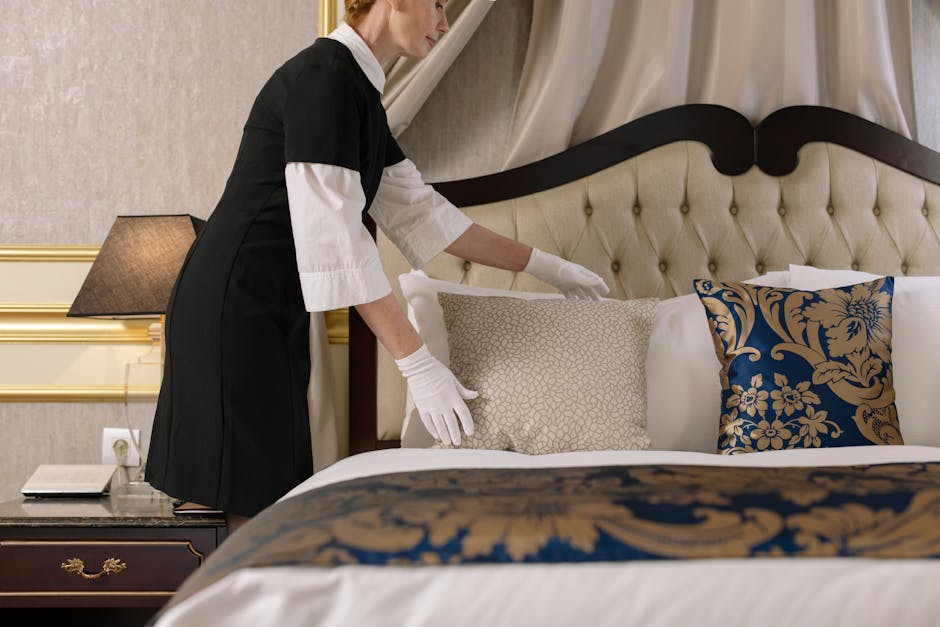
Fake photos, on the other hand, often mimic professional brochure shots. They usually lack watermarks or the natural feel of someone’s personal camera roll. A quick way to check if a photo is suspicious is to click on the reviewer’s profile. Do they have a history of other reviews and photos, or is it just this one pristine shot with no context? Genuine reviewers often build a portfolio of their travel experiences over time. If the reviewer has no history, it's worth being skeptical.
3. All Reviews Are Uniformly Extreme (All 5-Stars or All 1-Stars)
Here’s a truth about hospitality: no hotel, even the most luxurious ones, is perfect every single time for every single guest. And conversely, very few hotels are universally terrible. If you stumble upon a hotel where every single review is a glowing five-star masterpiece, or every single one is a scathing one-star complaint, your alarm bells should be ringing. Real experiences are diverse. One guest might love the view but dislike the breakfast, while another might rave about the front desk staff but find the room decor outdated.

Uniformly extreme feedback across a large number of reviews strongly signals manipulation. This could be a hotel paying for positive reviews, or a competitor launching an attack. True experiences vary with individual staff interactions, room assignments, and guest expectations. Always look for a balanced mix of reviews, showcasing the hotel’s strengths and areas for improvement, to get a realistic picture.
4. Mostly From First-Time Reviewers
We all start somewhere, right? Every real reviewer was once a first-timer. But if you see a flood, and I mean a flood, of overwhelmingly positive (or negative) reviews from brand new accounts with only one or two reviews to their name, that’s highly suspicious. This tactic is often used by hotels trying to quickly boost their ratings or by organized review farms.
While a few first-time reviews are normal, a disproportionate number arriving all at once can indicate foul play. Take a moment to check the reviewer’s profile, if possible. Do they have a profile picture? Other contributions? If it looks like a disposable account created just to leave that one review, treat it with caution. Prioritize reviewers with a substantial travel history, as their insights tend to be more reliable.
5. Lack of Specific Details
A genuine review tells a story. It mentions specifics: the friendly bellhop named Sarah, the peculiar artwork in room 402, the unique selection of local cheeses at the breakfast buffet, or even that one quirky faucet in the bathroom. These details, even small ones, confirm that the reviewer actually stayed there and experienced the hotel firsthand.
Fake reviews, on the other hand, often consist of vague praise or complaints. They might say “great service” or “terrible rooms” without elaborating why. If a review just skims the surface and uses generic descriptions that could apply to any hotel, it's likely the writer never visited the property. They’ve probably just skimmed the hotel's website or other generic reviews. Look for mentions of staff names, specific room numbers or features, nearby attractions, or unique experiences that a real guest would only know. These are the gold standard for authenticity.
6. Outlier Reviews That Don't Match the Pattern
Imagine seeing dozens of positive reviews, averaging 4.5 stars, and then suddenly, there's one random 1-star review claiming the hotel is a dump. Or, conversely, a hotel with mostly poor reviews, but one gleaming 5-star review that seems disconnected from everything else. These outlier reviews, especially without any compelling explanation, should make you pause. While every hotel can have an isolated bad or exceptionally good experience, dramatic inconsistencies in the overall pattern warrant scrutiny.
Trust your intuition here. If a review drastically deviates from the consensus without providing strong, specific evidence or a plausible differing perspective, it might be an attempt to skew the ratings. It could be a disgruntled employee, a targeted attack by a competitor, or a paid positive review trying to artificially pump up a struggling hotel. Always consider the outlier in the context of the larger body of reviews.
7. Inconsistent Trends Across Sites or Time
A smart traveler always cross-references! If a hotel has overwhelmingly glowing reviews on one platform like TripAdvisor, but then you check Booking.com or Google Reviews and find a completely different story with mostly poor ratings, that's a massive red flag. Reputable hotels usually maintain a relatively consistent reputation across major review sites. Serious discrepancies suggest that one platform's reviews might be manipulated.
Also, pay attention to review trends over time. Has the hotel consistently had solid ratings for the past year or two, and then suddenly, in the last month, there’s been a massive spike in 5-star reviews? Or a sudden downward spiral in negative reviews that doesn't align with any recent news or events concerning the property? Sudden, unexplained shifts in review patterns often point to fraudulent activity. Always look at the historical data, not just the most recent reviews.
Practical Tips for Canadian Travelers to Spot Fake Hotel Reviews
Navigating the world of online reviews can feel like a minefield, but with these strategies, you’ll be much better equipped. Here are some actionable tips I always share with my Canadian clients:
* Flag Suspects: Don't just ignore a review you think is fake. On platforms like TripAdvisor, there’s usually an option to report a review. Use it! Explain why you find it suspicious, e.g., “no specific details” or “overly promotional language.” Your vigilance helps the platforms maintain integrity for everyone. Plus, you can check out ReviewThenGo's internal travel advisories at /travel-intel for general safety scores.
* Verify Trends, Ignore Extremes: While it's tempting to focus on the absolute best or worst reviews, the most reliable information comes from the middle ground. Prioritize balanced, detailed reviews from verified stays. Pay less attention to the uniform extremes. You can also use our hotel review tool at /reviews to see aggregated scores and genuine guest feedback.
* Platform Protections: Know that major platforms are fighting this. Booking.com is known to quietly remove fake reviews that don't meet their stringent verification process. TripAdvisor uses watchlists and those infamous “red badges” to warn travelers. And here in Canada, the Competition Bureau actively monitors deceptive reviews under our consumer protection laws, so rest assured, there's a system in place to help.
* Pro Tip: Look for Reviewer History: I can't stress this enough. When you click on a reviewer’s profile, look for a history of travel. Have they reviewed multiple hotels, restaurants, or attractions over time? Do their reviews look consistent? Seasoned reviewers are gold. For hotels near the Canada-U.S. border, an authentic touch might be a review mentioning recent weather events, like a major winter storm, that would genuinely impact a stay.
* Check ReviewThenGo's Best Time Tool: Sometimes a sudden dip in reviews could correspond to a major event or construction. Use our /best-time tool to cross-reference travel seasons and see if there are any environmental factors that might genuinely impact guest experiences.
Why Is it So Important to Spot Fake Reviews?
Beyond the obvious financial implications, falling victim to fake reviews can completely derail your travel experience. You might end up in a noisy room when you expected peace, find promised amenities are non-existent, or encounter poor service that ruins your vacation mood. In 2026, with the sheer volume of online content, it’s more important than ever to be a savvy consumer.
Studies from institutions like Yale and Dartmouth have exposed the prevalence of rogue reviews and their impact on consumer choices. By actively scanning for these red flags, you’re not just protecting your wallet; you’re ensuring your travel memories are built on genuine experiences, not deceptive marketing. It means booking smarter, avoiding flops, and ultimately, enjoying the trip you truly deserve.
Frequently Asked Questions About Spotting Fake Hotel Reviews
Frequently Asked Questions
What is the biggest red flag for a fake hotel review?
One of the biggest red flags for fake hotel reviews is overly promotional language that reads like an advertisement, lacking specific personal details. Reviews packed with hype words like "world-class" or excessive exclamation points often indicate a non-genuine source.
How can I verify if a hotel review photo is real?
To verify if a hotel review photo is real, look for imperfections like crooked angles or personal items, rather than perfectly staged, stock-like images. Also, check the reviewer's profile for a history of other reviews and photos, as fake accounts often have no prior activity.
Should I trust reviews from first-time reviewers?
While every genuine reviewer starts as a first-timer, a sudden flood of reviews from brand-new accounts, especially if they are uniformly positive or negative, is highly suspicious. It's best to prioritize reviewers with a substantial travel history for more reliable insights.
What do review sites like TripAdvisor do about fake reviews?
Review sites like TripAdvisor actively combat fake reviews by penalizing offenders with ranking drops, issuing "red badge" warnings, and using watchlists. They also provide options for users to report suspicious reviews, helping to maintain the integrity of their platforms.
Why is it important for Canadian travelers to spot fake reviews?
It is crucial for Canadian travelers to spot fake reviews because they can lead to booking subpar accommodations, ruining travel experiences to destinations like Europe or the U.S. Identifying these red flags ensures smarter booking decisions and protects against financial loss and vacation disappointment.