Iceland Solar Eclipse 2026: The Ultimate Guide to a Once-in-a-Lifetime Event
By Tom ·
Discover everything about the 2026 total solar eclipse in Iceland, including best viewing spots, festival details, and essential travel tips for this rare August event.
What Makes the August 2026 Solar Eclipse in Iceland a Once-in-a-Lifetime Event?
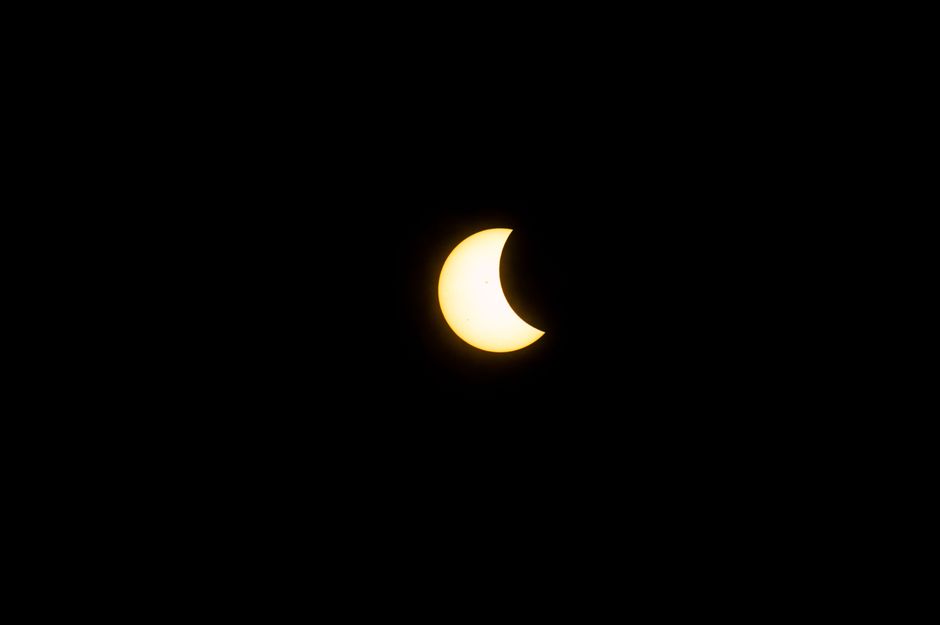
Iceland is set to experience a total solar eclipse on August 12, 2026, an event distinguished by its rare occurrence and its visibility over some of the island's most dramatic landscapes. The country has not witnessed a total solar eclipse since 1954, and according to various Icelandic tourism and hospitality sources, the next such event is not anticipated before 2196. Some predictions suggest a total solar eclipse might occur in certain locations as early as 2075, but the broad consensus indicates a significant gap until the next widespread totality. This August 2026 eclipse will trace a path across Greenland, western Iceland, the Atlantic Ocean, northern Spain, and parts of Portugal, making Iceland a prime viewing location for those seeking a unique astronomical experience combined with striking scenery. In Iceland, the path of totality, where the sun is completely obscured by the moon, will be strongest in the western regions. The Westfjords and the Snæfellsnes Peninsula are highlighted as the optimal areas for viewing this phenomenon, offering the longest durations of darkness. The Snæfellsnes Peninsula, for instance, is projected to experience approximately 1 minute and 48 seconds of total darkness. Other sources indicate that both the Westfjords and Snæfellsnes could see over 2 minutes of totality. Even the Reykjavík area, while within the path, will experience a shorter totality, ranging from an estimated 25 seconds to just over 1 minute, depending on the precise location. This variation emphasizes the importance of strategic positioning for those prioritizing the longest eclipse viewing. The partial phase of the eclipse is expected to commence around 4:47 PM GMT in Iceland, with the onset of totality in the best viewing spots occurring approximately an hour later, around 5:48 PM GMT. The partial phases will then conclude around 6:47 PM GMT. This mid-afternoon timing, coupled with Iceland's extended summer daylight hours, presents a unique viewing environment. Early August in Iceland typically sees the sun setting close to 10 PM. This combination allows visitors to experience the profound darkness of a total eclipse during what would normally be bright evening conditions, creating a distinct blend of celestial drama against Iceland's renowned natural backdrops of volcanoes, glaciers, and open skies. The infrequent nature of this event, combined with Iceland’s scenic advantages and the specific timing, solidifies its status as a truly once-in-a-lifetime opportunity for observers.
Where to Experience the 2026 Solar Eclipse in Iceland
Choosing the right location is crucial for maximizing the experience of the August 2026 solar eclipse. The duration and clarity of totality vary significantly across Iceland, with the western regions offering the most extended periods of darkness.
The Westfjords: Earliest and Longest Totality
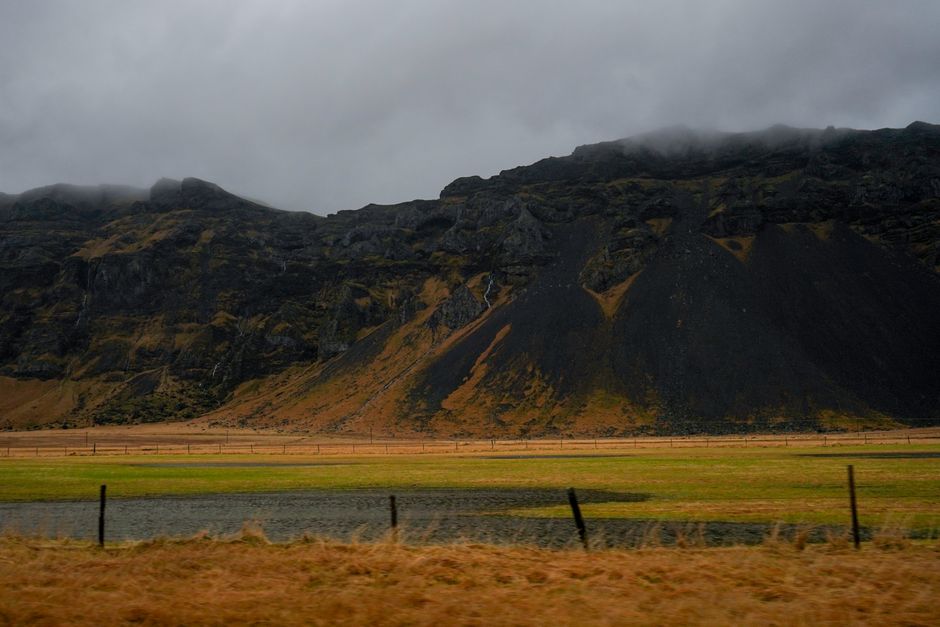
The Westfjords are identified as one of the premier locations for viewing the eclipse, due to their position in the path of totality. Observers in this remote and rugged region can anticipate the earliest onset of totality in Iceland, with durations potentially exceeding 2 minutes. The dramatic, sparsely populated landscapes of the Westfjords provide expansive, unobstructed views, ideal for astronomical observation. Travelers prioritizing the longest duration of darkness should consider this region, despite its more challenging accessibility compared to other areas.
Snæfellsnes Peninsula: Prime Viewing with Festival Access
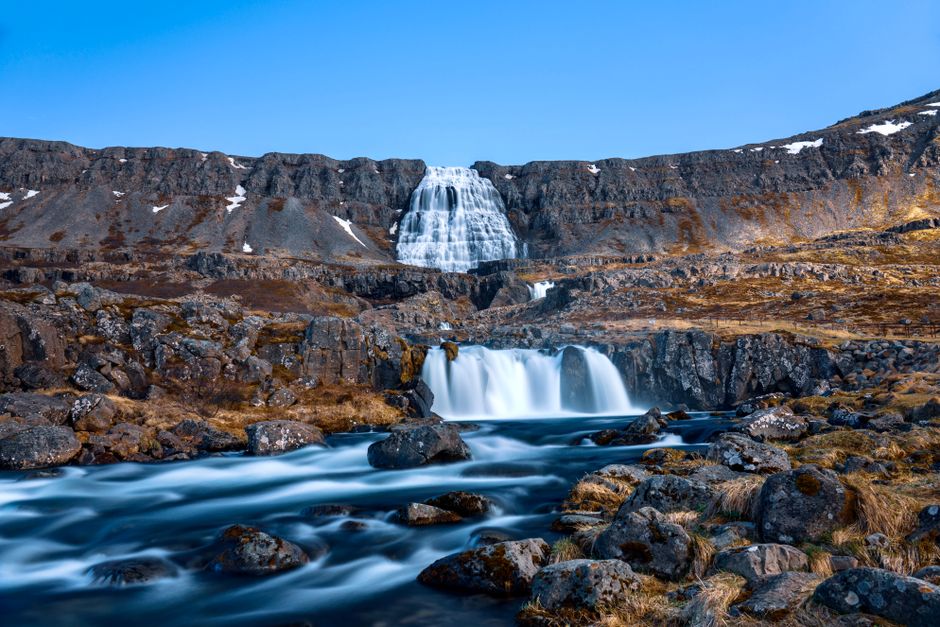
The Snæfellsnes Peninsula is another prime viewing zone, offering both significant totality and a hub for related tourism events. Specifically, areas within the peninsula are projected to experience approximately 1 minute and 48 seconds of total darkness. This region combines iconic Icelandic scenery, such as the Snæfellsjökull glacier and black sand beaches, with excellent eclipse visibility. Furthermore, the Snæfellsnes Peninsula, particularly the Hellissandur area, is home to the Iceland Eclipse Festival, positioning it as a key destination for those seeking to combine astronomical observation with a broader event experience.
Reykjavík Area: Accessible Totality, Shorter Duration
For travelers seeking convenience and accessibility, the Reykjavík area is within the path of totality. However, the duration of total darkness will be shorter here compared to the western peninsula and Westfjords. Depending on the exact location within the greater Reykjavík area, totality is expected to last between 25 seconds and 1 minute and 2 seconds. While offering a less extended viewing experience, Reykjavík's infrastructure, accommodation options, and cultural attractions make it a practical choice for those wishing to easily access the phenomenon.
Reykjanes Peninsula and the Blue Lagoon: Spa and Sky
The Reykjanes Peninsula, home to Keflavík International Airport and the renowned Blue Lagoon, is also situated within the path of totality. This area presents an opportunity to combine the eclipse experience with geothermal relaxation and convenient travel logistics. The Blue Lagoon specifically has acknowledged its position within the prime viewing zone and plans to incorporate viewing glasses into its admission packages for guests during the eclipse. This option appeals to travelers looking to blend luxury and unique natural experiences with the astronomical event.
Why Iceland Offers a Unique Eclipse Experience
Iceland’s appeal for eclipse chasers extends beyond the mere visibility of the event. The country's unique geographical and seasonal characteristics create an unparalleled backdrop for viewing a total solar eclipse.
Dramatic Landscapes and Open Skies
Iceland is globally recognized for its wide-open skies and dramatic, uninhibited landscapes, which are significant advantages for astronomical viewing. The country's topography, characterized by vast expanses, volcanoes, glaciers, and coastal formations, minimizes light pollution and provides expansive horizons crucial for observing celestial events. This natural setting transforms the eclipse into an even more immersive and visually stunning experience, integrating the sky event with the raw beauty of the Icelandic environment.
Daytime Eclipse in Late Summer Light
The August 12, 2026 eclipse occurs during Iceland’s late summer, a period known for its extended daylight hours. While the eclipse is scheduled for mid-afternoon into early evening, roughly between 4:47 PM and 6:47 PM GMT, the sun in early August in Iceland typically sets close to 10 PM. This means that observers will witness the profound darkness of totality while the surrounding environment is still bathed in the ambient, low-angle light of a long summer day. This rare combination offers a unique sensory experience: a daytime total solar eclipse framed by the perpetually bright Icelandic summer, followed by the ethereal glow of near-midnight sun conditions. It merges the astronomical drama with terrestrial beauty in a way few other locations can replicate.
The Iceland Eclipse Festival: A Destination Event
Beyond the celestial event itself, the 2026 eclipse is a centerpiece for a major cultural gathering: the Iceland Eclipse Festival. Scheduled from August 11 to 15, 2026, on the Snæfellsnes Peninsula near Hellissandur, this festival is designed as a multi-faceted celebration. It integrates music, art, science, wellness activities, and exploration, all orbiting the rare astronomical phenomenon. The festival aims to provide a comprehensive experience, allowing participants to engage with the eclipse in an inspiring and communal setting. Due to the unique nature of the event and the capacity of the location, festival admission is highly limited, with some reports citing a maximum of 3,333 participants. This limited capacity underscores its exclusive appeal and emphasizes the need for early planning for those wishing to attend. The festival transforms the eclipse from a viewing opportunity into a broader destination experience, combining astronomical wonder with a vibrant cultural celebration.
Practical Travel Advice for the 2026 Iceland Eclipse
Attending a rare event like a total solar eclipse in a popular destination like Iceland requires careful planning. Here are essential tips for a smooth and enjoyable experience.
Book Accommodations and Flights Early
Demand for travel and accommodation in Iceland, particularly in the western regions and the Snæfellsnes Peninsula, will be exceptionally high for August 2026. The Iceland Eclipse Festival, with its limited capacity, is already indicating strong interest. To secure desired lodging, transportation, and festival tickets, booking well in advance is crucial. This helps mitigate against rising prices and sold-out options, ensuring a seamless experience for visitors.
Prioritize Western Iceland for Optimal Totality
For those whose primary goal is to experience the longest duration of totality, focusing travel plans on western Iceland is advisable. The Westfjords and the Snæfellsnes Peninsula offer over 1 minute and 48 seconds, and potentially over 2 minutes, of total darkness. While Reykjavík is accessible, its shorter totality duration may be less fulfilling for dedicated eclipse enthusiasts. Consider renting a car or joining organized tours that specifically target prime viewing locations.
Prepare for Crowds and Traffic
Despite Iceland's relatively sparse population, major events attract significant numbers of visitors. The combination of a rare total solar eclipse and a popular festival will likely lead to increased vehicle traffic and larger crowds at popular viewpoints and attractions, especially in western Iceland. Factor in extra travel time between locations and make reservations for dining and activities where possible.
Secure Certified Eclipse Glasses
Directly viewing a partial or annular solar eclipse without proper eye protection can cause permanent eye damage. Only specially certified eclipse glasses or viewers, meeting the ISO 12312-2 international safety standard, are safe for direct solar observation. Some event organizers, such as the Blue Lagoon for their eclipse package, plan to include viewing glasses for participants. However, it is prudent for travelers to acquire certified glasses beforehand to ensure readiness. ReviewThenGo's /gear (packing toolkit) section offers advice on specialized travel items.
Plan for Variable Icelandic Weather
Icelandic weather is famously unpredictable and can change rapidly, even in August. Clouds are a potential concern for eclipse viewing. Travelers should research local weather patterns for their chosen viewing location and consider flexibility in their itinerary to move to an alternate spot if conditions become unfavorable. Packing layers, waterproof outer shells, and sturdy footwear is always recommended for Icelandic travel, regardless of the season.
Frequently Asked Questions About the 2026 Iceland Solar Eclipse
Is travel insurance recommended for an eclipse trip to Iceland?
Yes, travel insurance is highly recommended. Given the specialized nature of an eclipse trip, potential for weather disruptions, and the need for early bookings, comprehensive travel insurance can protect against unforeseen cancellations, medical emergencies, or travel delays. Explore options at ReviewThenGo's /travel-intel (travel advisories) for up-to-date guidance.
How does the August 2026 eclipse compare to previous Icelandic eclipses?
Iceland has not experienced a total solar eclipse since 1954, making the August 2026 event exceptionally rare. Future total eclipses are predicted for 2196 or, in some localized contexts, possibly 2075. This scarcity significantly elevates the importance and unique appeal of the upcoming 2026 eclipse.
What are the local time specifics for totality in Iceland?
The partial eclipse phase begins around 4:47 PM GMT, with totality starting approximately 5:48 PM GMT in prime western locations. The partial phases conclude around 6:47 PM GMT. These timings occur during Iceland's extended summer daylight, creating a distinctive viewing experience. Check local times for your precise viewing location closer to the date.
Are there other astronomical events to see in Iceland in August?
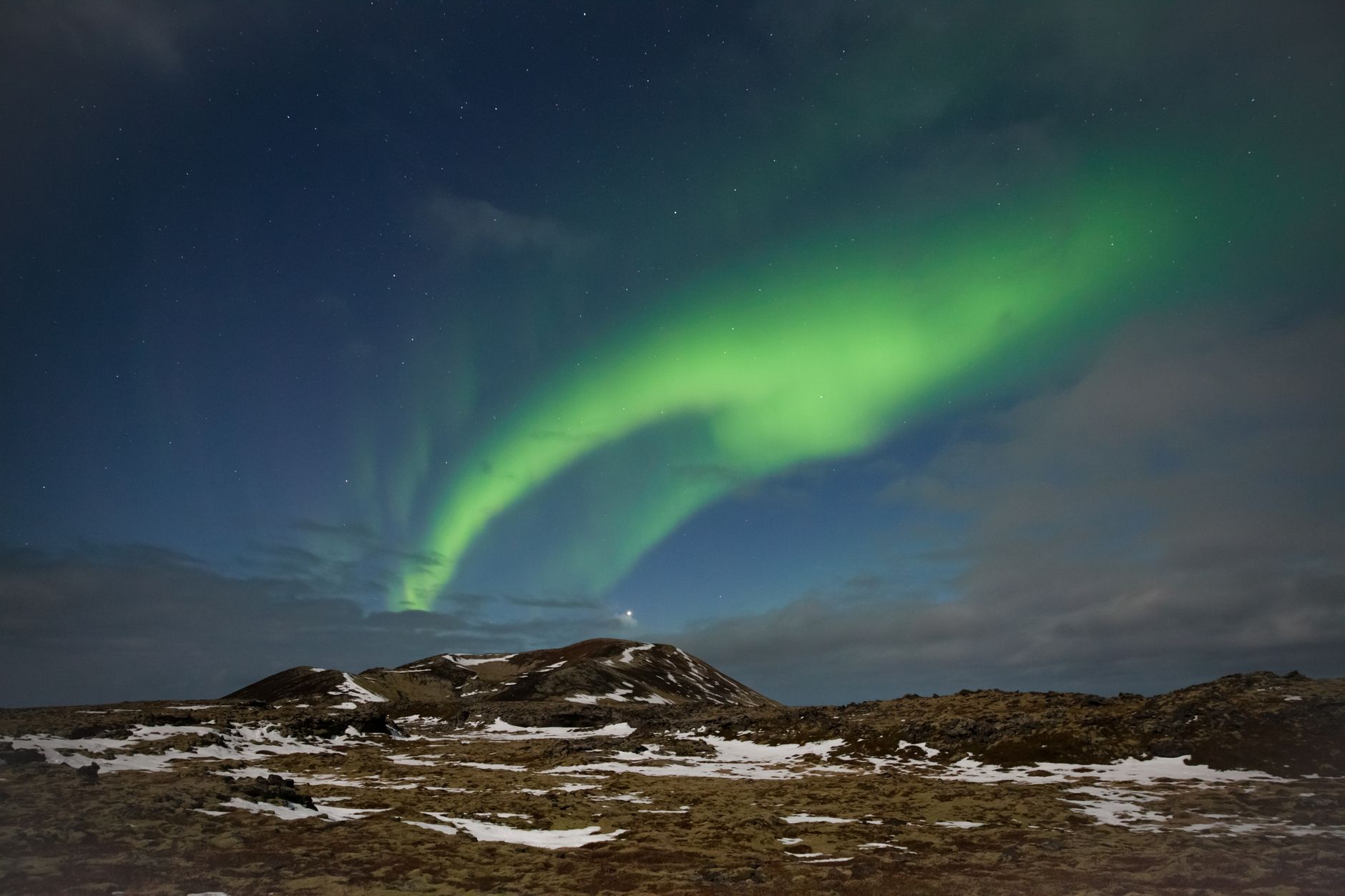
While the total solar eclipse is the primary astronomical highlight, August in Iceland also marks the very beginning of the Northern Lights season. Although sightings are less common and typically weaker than in darker winter months, with prolonged daylight, opportunities for auroral displays may start to emerge towards the end of August, offering a potential bonus for night sky enthusiasts near the end of their trip. For more on seasonal viewing, visit ReviewThenGo's /best-time (best time to visit) tool.
Can I combine the eclipse with other Icelandic attractions?
Absolutely. Iceland’s compact nature allows for combining the eclipse with diverse attractions. Consider a Golden Circle tour, exploring the South Coast, or embarking on a Ring Road adventure before or after the eclipse. Prioritize western Iceland for eclipse viewing, then venture further. ReviewThenGo's /itinerary (itinerary builder) can assist in crafting a balanced trip.
The total solar eclipse of August 2026 in Iceland represents a truly unique convergence of astronomical rarity and breathtaking natural beauty. For those planning to witness this spectacular event, early and thorough preparation is key. From securing prime viewing spots in the Westfjords or Snæfellsnes Peninsula to booking accommodations and festival passes, proactive planning ensures an unforgettable experience. This celestial spectacle, set against Iceland’s dramatic landscapes and long summer days, is an event that will not recur for generations. Make your arrangements now to be part of this extraordinary moment. For further travel planning and hotel reviews, visit ReviewThenGo's /reviews (hotel reviews).
Frequently Asked Questions
What date is the total solar eclipse in Iceland in 2026?
The total solar eclipse in Iceland will occur on Wednesday, August 12, 2026.
Where are the best places to view the solar eclipse in Iceland?
The best viewing locations for totality are in western Iceland, particularly the Westfjords and the Snæfellsnes Peninsula. These areas will experience the longest durations of total darkness.
How long will totality last during the 2026 eclipse in Iceland?
Totality duration varies by location. The Snæfellsnes Peninsula can expect about 1 minute and 48 seconds, while the Westfjords may experience over 2 minutes. The Reykjavík area will see a shorter totality, from about 25 seconds to 1 minute and 2 seconds.
Is there a festival associated with the 2026 Iceland solar eclipse?
Yes, the Iceland Eclipse Festival is scheduled from August 11 to 15, 2026, on the Snæfellsnes Peninsula. It will feature music, art, science, and wellness activities centered around the eclipse.
What time will the eclipse start and end in Iceland?
The partial eclipse is expected to begin around 4:47 PM GMT, with totality starting approximately 5:48 PM GMT in prime locations. The partial phases will conclude around 6:47 PM GMT.