Mastering Money in Europe: Essential Cash and Card Tips for Canadian Travellers
By Tom ·
Navigating finances in Europe can be tricky for Canadians. Discover 2026 cash and card tips, exchange rates, and ATM strategies to save money and travel smarter in Europe.

Planning a trip to Europe from Canada? One of the biggest questions I get asked is about money. Should you carry cash? What about credit cards? And what in the world is dynamic currency conversion? Don't worry, I've got you covered. As a seasoned Toronto-based travel consultant, I've spent years helping Canadians navigate the financial ins and outs of European travel. I'm here to share my personal experiences and professional insights to ensure your money management is as smooth as a fresh croissant in Paris.
The good news is that for 2026, managing money in Europe is more straightforward than ever, but there are still crucial tips you need to know to avoid unnecessary fees and headaches. Let's dive into cracking the code on European currency, from understanding exchange rates to mastering ATM withdrawals and smart card usage.
Understanding the Euro: What Canadians Need to Know for 2026
First things first, let's talk about the Euro. Canada generally has a strong dollar, but exchange rates fluctuate. As of April 18, 2026, the exchange rate is approximately 1 USD = 0.8488 EUR, which means 1 EUR = 1.178185 USD. While this article focuses on USD to EUR for broader international context, as a Canadian, this rate gives you a good baseline. It's always wise to check the most current rates before and during your trip. I personally use this currency tracker (https://www.reviewthengo.com/currency) to stay on top of the latest conversions, it's a real game-changer for budgeting.

Keep in mind that while the Canadian dollar often mirrors the USD in trends, your exact conversion will vary. A helpful way to estimate is to think of every euro as roughly $1.50 to $1.60 CAD, depending on the current market. This quick mental math can prevent sticker shock.
Why Cash Still Rules in Europe Despite Card Convenience
You might hear that cards are accepted everywhere in Europe. While it's true that you can use cards for about 90% of your purchases in major cities, cash is still an absolute must. In my experience, relying solely on plastic will leave you in a bind more often than you'd think.

Think about it, what are you going to do when you need to use a public toilet that costs €0.50 to €2? Yes, this is a real thing, especially in countries like Germany, Austria, France, and Italy. Small cafés, local street markets, quaint family-run shops, and numerous rural vendors often prefer, or even require, cash. Many small transactions under €20, such as a fresh pastry, a street food snack, or a minor museum entrance fee, will be cash-only. Some merchants simply don't have card machines or impose minimums that you won't meet with a single espresso.
Beyond convenience, cash also serves as a vital backup. Imagine your card getting blocked due to an overzealous fraud detection system, or a technical glitch preventing a transaction. Having some euros on hand means you won't be stranded. It's particularly useful in cash-preferred spots like Greece or bustling Italian markets. Plus, gratuities, hotel city taxes, and payments to informal guides often demand coins or small bills exclusively. You can easily keep track of real-time conversions from CAD to EUR using the currency exchange tool (https://www.reviewthengo.com/currency) I rely on before and during my trips.
Smart ATM Strategies: Get the Best Rates and Avoid Fees
Using ATMs in Europe can be a bit of a minefield with all the different fees and conversion options. My golden rule is this: prioritize bank-affiliated ATMs. Look for machines directly inside or proudly outside established bank branches. These machines typically offer the standard, favorable bank-to-bank exchange rate without additional operator fees. Plus, if there's an issue, you have the bank staff right there to help, especially if you go during opening hours. Plus, they tend to be more secure due to surveillance.
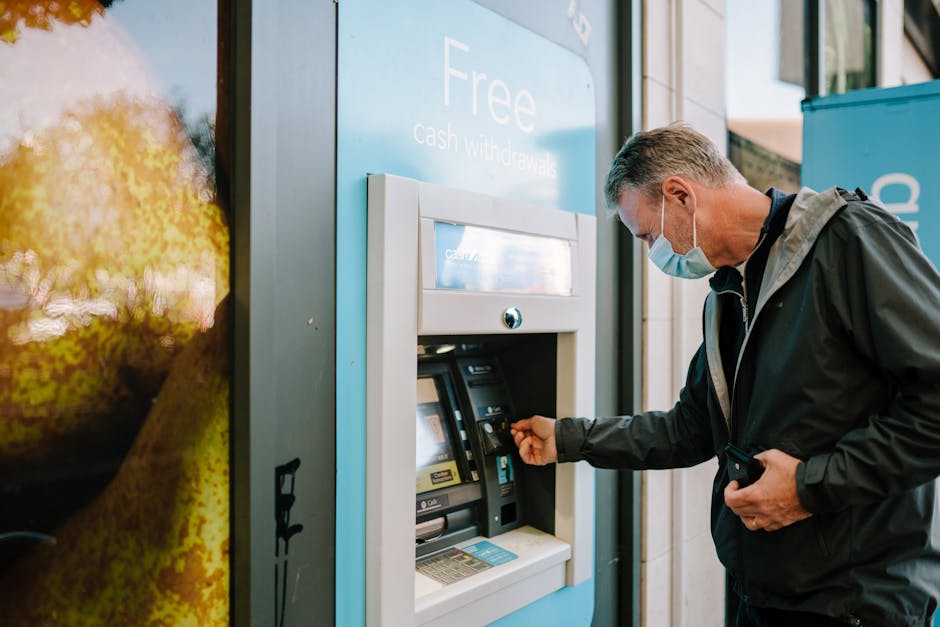
Steer clear of independent ATMs like Travelex or Euronet, which you'll often spot in high-traffic tourist areas. While convenient, they are notorious for charging exorbitant fees and using less favorable exchange rates. Trust me, the convenience isn't worth the extra cost.
Here's another crucial tip: always select EUR, the local currency, when your card gives you a choice at an ATM or a merchant. Never opt to be charged in CAD or USD. This is known as Dynamic Currency Conversion (DCC), where the merchant's bank applies its own marked-up exchange rate, which is almost always worse than your Canadian bank's rate. You want your bank determining the conversion, not a random vendor. You can even check the rates on this currency converter (https://www.reviewthengo.com/currency) to compare on the spot.
To minimize per-transaction fees, which your Canadian bank will likely charge for each foreign ATM withdrawal, aim for fewer, larger withdrawals. For example, instead of withdrawing €50 three times, take out €150 once. Also, a pro tip I've learned from experience: request odd amounts like €170 instead of €200. This often results in the ATM dispensing smaller bills and coins, which are incredibly practical for daily use in Europe.
European ATMs are generally user-friendly, offering English menus. However, be mindful of your daily withdrawal limit. A $300 CAD daily limit might only yield €220 to €250, depending on the current exchange rate. While airport ATMs are convenient upon arrival, they often come with higher fees. It's best to grab a small amount for immediate needs and then find a bank-affiliated ATM once you're in the city.
Quick USD to EUR Conversion Table for Canadian Planning
For quick reference, using an exchange rate of 1 USD = 0.8488 EUR (updated April 18, 2026), here’s a handy conversion table. This can help you get a sense of how much cash you might need to withdraw:
| USD Amount | EUR Equivalent | |---|---| | $1 | 0.85 | | $5 | 4.24 | | $10 | 8.49 | | $20 | 16.98 | | $50 | 42.44 | | $100 | 84.88 | | $500 | 424.38 |
Cards vs. Cash: Best Practices for Canadian Travellers
When it comes to cards, my advice is to bring at least two, preferably from different networks like Visa and Mastercard. Keep them separate, perhaps one in your wallet and one in your hotel safe, as a backup. Before you leave, always notify your Canadian bank, whether it's RBC, TD, or another institution, of your travel dates. This prevents them from flagging your overseas transactions as fraudulent and blocking your card, which is a major hassle you want to avoid.
Both debit and credit cards work well in Europe. Debit cards pull directly from your bank account, while credit cards offer purchase protection and can be great for larger expenses like hotels or rental cars. European card machines are almost exclusively chip-and-PIN compatible, so ensure your cards have a chip and you know your PIN. Tap-to-pay is also very widespread, making small purchases quick and easy.
As a general rule, I suggest carrying about €50 to €100 in cash daily for incidental expenses, small purchases, and emergencies. And just a friendly reminder, leave your travellers' cheques and personal checks at home; no one accepts those anymore. For Canadians specifically, do your homework on your bank's foreign transaction and ATM fees. These can often be 2.5% of the transaction plus a $5 ATM fee. Look into fee-free options like opening a Wise account or exploring Norbert's Gambit for optimal savings before you even depart. You can compare various rates and plan your budget effectively using our currency tracker tool (https://www.reviewthengo.com/currency).
EU Cash Declaration Rules: Don't Get Caught Off Guard
While there are no EU-wide limits on how much cash you can carry between member states, there's a very important rule for when you're entering or leaving the European Union. You must declare any amount of €10,000 or more. This isn't just about physical Euro notes and coins; it also includes equivalent amounts in other currencies, bearer instruments like cheques, or even gold coins that are 90% or more pure gold.
You'll need to use the EU cash declaration form. Penalties for non-compliance can be steep, even if the undeclared amount is below the €10,000 threshold but is linked to criminal activity. Always double-check customs regulations for any transit countries as well. You could be stopped at airports, borders, or even during baggage checks, so it’s always best to be prepared and declare if necessary. If for some reason you missed declaring at the point of entry or exit, you might be able to declare via post or courier within 30 days if requested by customs.
Travel Money Tips Summary for a Stress-Free European Trip
To wrap things up, here’s a quick recap of my top money tips for your European adventure:
* Use bank-affiliated ATMs only: Avoid independent machines like Euronet; they’re fee traps, as I've unfortunately learned myself.
* Always pay or withdraw in EUR: Let your bank handle the conversion for the best rate, not the merchant.
* Carry small bills and coins: Essential for purchases under €20 and cash-only spots.
* Fewer, larger withdrawals: Save on ATM fees. Request odd amounts for smaller denominations that are easier to use day-to-day.
* Always have cash backup: For public restrooms, street markets, local taxes, and emergencies, it's a lifesaver.
By following these practical tips, you’ll master money management in Europe and focus on enjoying your trip, not worrying about fees. Happy travels, fellow Canadians!
Frequently Asked Questions
Should I use cash or card more in Europe in 2026?
While cards are widely accepted for about 90% of purchases in major European cities, cash remains essential. Carry €50 to €100 daily for smaller transactions, street markets, public restrooms, and in areas where cards might not be accepted or preferred.
What is the best way to get Euros without high fees?
The best way to get Euros is by using bank-affiliated ATMs. Always choose to be charged in EUR (local currency) to ensure your Canadian bank handles the conversion, which typically offers a better rate than the merchant's or independent ATM's rate.
How much cash can I bring into Europe from Canada?
You must declare any amount of €10,000 or more when entering or leaving the European Union. This includes equivalent amounts in other currencies, specific types of financial instruments, or highly pure gold coins. Always use the official EU cash declaration form if you meet or exceed this threshold.