Places In The World That Don't Seem Real
By Tom ·
Discover Salar de Uyuni, Bolivia's stunning salt flats. Learn the best time to visit for the mirror effect, tour options, and essential tips for Canadian travelers.
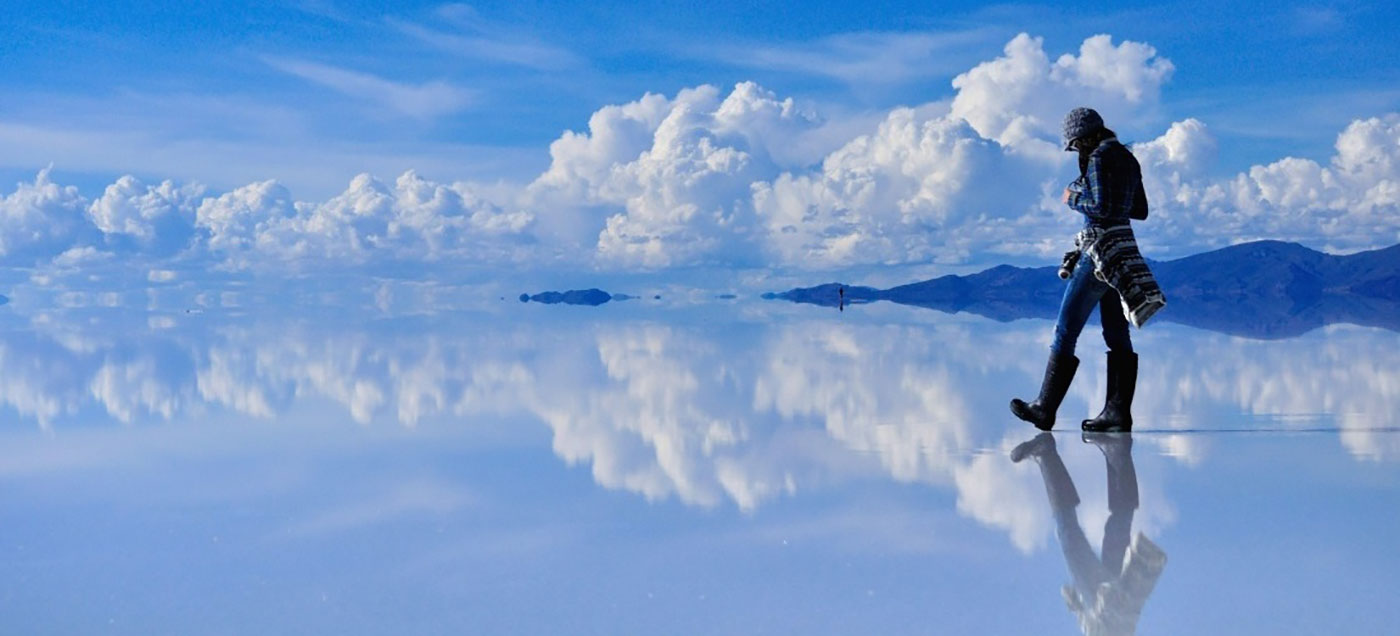
From what I've seen working with clients, there are few places on Earth that capture the imagination quite like Salar de Uyuni in Bolivia. This isn't just a destination; it's an experience that feels out of this world, especially during the wet season when the world's largest salt flat transforms into a colossal, ethereal mirror. Spanning over 10,000 square kilometers across Bolivia's southwestern Altiplano, at a staggering 3,656 meters (12,000 feet) above sea level, Salar de Uyuni is a sight to behold, reflecting the sky in an endless expanse that's even visible from space.
As a Toronto-based agent, I've helped countless Canadian travellers plan their dream trips, and Salar de Uyuni consistently ranks high on their bucket lists. This natural wonder, covering 463 square miles with salt layers up to 40 meters thick, holds over 70% of the world's lithium reserves, making it not just a geological marvel but also a vital resource for our modern tech, powering everything from smartphones to laptops. But for travellers, it's the unparalleled photographic opportunities and the sheer scale of its beauty that truly draw them in.
Why Visit Salar de Uyuni: The Mirror Effect and Beyond
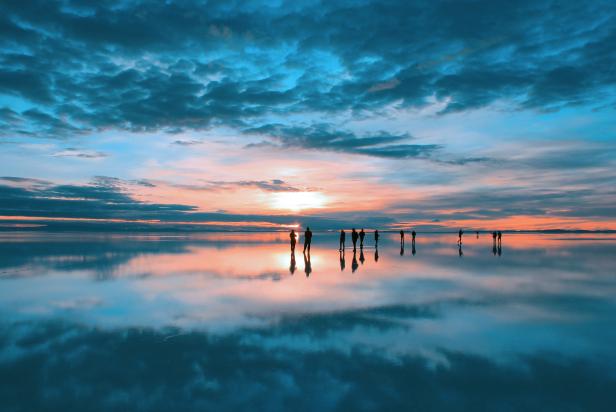
The primary draw for many to Salar de Uyuni is its iconic mirror effect, a phenomenon that occurs during the wet season (typically December to April). During these months, a thin layer of shallow water covers the vast salt flats, creating a seamless reflection of the sky. This incredible optical illusion makes the horizon disappear, offering unparalleled conditions for surreal perspective photos where you can literally appear to be walking on clouds. Imagine capturing a sunrise here; it's truly breathtaking.

However, Salar de Uyuni is equally stunning during the dry season (May to November, peaking from June to August). In these months, the cracked white expanse reveals intricate hexagonal salt patterns, offering a different but equally mesmerizing landscape. The dry season also boasts incredibly clear night skies, perfect for stargazing without light pollution, and provides access to more isolated spots. One such gem is Isla Incahuasi, often called Cactus Island, a rocky outcrop dotted with towering, ancient cacti that stand sentinel over the endless white. To assess the best time for your visit, check out our best time to visit tool (/best-time).
Beyond the endless white, tours of Salar de Uyuni extend into the untouched beauty of the Altiplano. You'll encounter vibrant altiplano lagoons teeming with flamingos, witness powerful geysers erupting from the earth, relax in natural hot springs, marvel at unique rock formations sculpted by wind and time, and traverse dramatic volcanic landscapes. Keep an eye out for Andean wildlife, including llamas, alpacas, and viscachas. And don't miss the poignant Train Graveyard, a collection of rusted relics from a bygone era, offering a stark contrast to the natural beauty.
Best Time to Visit Salar de Uyuni for Canadians
As a Canadian traveller, planning your trip to Salar de Uyuni means considering the distinct seasons and what each offers. If the iconic mirror phenomenon is your main goal, I highly recommend targeting the wet season, specifically from January to March 2026. During these months, daytime temperatures generally range from 0 to 15°C (32 to 59°F), but be prepared for nights when temperatures can drop below freezing. Packing layers, including waterproof gear, and essential eye protection like sunglasses for the intense glare, is crucial.
The dry season, from May to November 2026, presents a different experience with milder highs of 5 to 20°C (41 to 68°F). While you might not get the mirror, the vast, cracked salt flats under clear skies are equally impressive, and the conditions are excellent for stargazing. There’s truly no
bad time to visit Salar de Uyuni; each season offers unique and unforgettable views. The high UV index at this altitude means sunscreen and hats are non-negotiable, regardless of the season. I've found that proper planning, including checking weather forecasts closer to your travel date, helps ensure a smoother trip.
Getting to Uyuni, Bolivia, from Canada typically involves flights to La Paz. From Toronto, expect travel times of 10 to 12 hours with connections. From La Paz, an overnight bus journey of about 8 hours will take you directly to Uyuni. Given the high altitude of Salar de Uyuni (over 3,600m), altitude sickness is a common concern. I strongly advise spending a couple of days acclimatizing in La Paz beforehand. It's also wise to consult your doctor about preventative measures, such as Diamox, if you're prone to altitude sickness. For information on health advisories, check our travel advisories (/travel-intel).
Salar de Uyuni Tour Options: From Uyuni and Beyond
The vast majority of tours to Salar de Uyuni depart from Uyuni town, which has become a vibrant hub for tourism. You can reach Uyuni by bus from La Paz, and from there, you'll find a range of tour options for 1, 3, or even 4 days. Most tours utilize robust 4x4 vehicles, typically accommodating 5 to 6 passengers plus a knowledgeable driver. These tours cover the essential highlights, including the salt flats themselves, the fascinating Incahuasi Island, the vibrant Red and Green Lagoons, and often include a night's stay in a unique salt hotel.
Here's a breakdown of typical tour options and what you can expect in 2026:
1-Day Tour
* Highlights: This express option typically covers the main salt flats, the intriguing Train Graveyard, a visit to Colchani for salt processing insights, and often Incahuasi Island. Most depart around 10 AM and return by 5 PM.
* Starting/Ending Points: Uyuni roundtrip.
* Ideal For: Travellers with limited time, those on a tighter budget looking for quick yet impactful photo opportunities.
* Approx. Cost (per person, shared): $25-50 USD.
3-Day/2-Night Tour (The Classic Experience)
* Day 1: Focuses on the expansive salt flats and Incahuasi Island, with an overnight stay in a salt hotel near the flats.
* Day 2: Explores the stunning high-altitude lagoons (like Laguna Colorada or Red Lagoon, famed for its flamingos), vibrant geysers, relaxing hot springs, and distinctive rock formations. Accommodation is usually in a rustic hostel in a small village.
* Day 3: Continues through desert landscapes, often featuring more flamingos and other Andean wildlife before returning to Uyuni.
* Starting/Ending Points: Can start and end in Uyuni, or be a one-way trip from Uyuni ending in San Pedro de Atacama (Chile), or vice versa. This is a popular option for those continuing their South American itinerary. You can use our itinerary builder (/itinerary) for comprehensive trip planning.
* Ideal For: Travellers wanting a full, immersive experience of both the salt flats and the surrounding Altiplano wilderness.
* Approx. Cost (per person, shared): $150-250 USD, typically including basic meals.
4-Day/3-Night Tour
* Highlights: This extended tour delves deeper into the South Lipez region and the Eduardo Avaroa Andean Fauna National Reserve, offering an even more comprehensive exploration of the dramatic altiplano landscapes.
* Starting/Ending Points: Often starts from San Pedro de Atacama and drops off in Uyuni, or can be arranged as a roundtrip from Uyuni.
* Ideal For: Those who truly want to explore the remote and raw beauty of the Bolivian Altiplano without rushing, often combining it with a Chile adventure along the way.
* Approx. Cost (per person, shared): $300-400 USD.
While you can book tours upon arrival in Uyuni typically by 6 or 7 AM when buses arrive (tours usually start around 10 AM), for peace of mind, especially during peak season, it’s worth considering booking ahead. Quality among agencies can vary significantly. I always advise choosing operators known for their English-speaking drivers, comprehensive insurance, and well-maintained 4x4 vehicles. As Canadian travellers, it’s essential to verify that your travel insurance specifically covers high-altitude evacuations, just in case. The Red Cross also recommends staying well-hydrated and trying traditional coca tea to help with altitude sickness. For more details on finding reputable tour guides, check out this guide (www.reviewthengo.com). This resource will help you confirm that your chosen tour operator meets all safety standards and provides excellent service.
Practical Tips for Canadian Travelers to Salar de Uyuni
Preparing for a trip to Salar de Uyuni requires a bit more thought than a typical beach vacation, but with these tips, you'll be well-equipped for an unforgettable adventure.
How Do I Get to Salar de Uyuni?
Flying into La Paz, Bolivia, is generally the most economical option from major Canadian cities like Toronto and Montreal, with roundtrip flights typically ranging from $600 to $900 CAD, depending on the season and how far in advance you book. From La Paz, an overnight bus to Uyuni is the go-to method, costing approximately $20 to $30 USD for an 8 to 10-hour journey. Alternatively, you can embark on a reverse tour from San Pedro de Atacama in Chile, which is a popular itinerary for those exploring the region. It's crucial to note that independent access to Salar de Uyuni without a guided 4x4 tour is not recommended due to the vast, rugged, and often unmarked terrain. This isn’t the place for a casual bike ride or motorbike adventure. For the best flight deals to La Paz, make sure to visit our flight deals page (/flights).
What Should I Pack for Salar de Uyuni?
Layering is your best friend when visiting Salar de Uyuni, given the extreme temperature fluctuations. Nights can drop to a frigid -10°C (14°F), even in shoulder seasons. Essential items include:
* Warm layers: Thermal underwear, fleece jackets, a good quality down jacket, and warm socks are non-negotiable.
* Waterproof gear: A rain poncho or waterproof jacket is essential, especially during the wet season, to protect against sudden downpours and the mirror effect's shallow waters.
* Sun protection: A wide-brimmed hat, high-SPF sunscreen (UV index can exceed 11 at this altitude), and good quality sunglasses are vital to protect against intense sun glare.
* Photography essentials: Extra batteries for your camera and phone, as cold weather dramatically drains them. A power bank is also a smart addition. You can find comprehensive gear lists in our packing toolkit (/gear).
* Comfort items: Motion sickness medication for the bumpy 4x4 rides, a small amount of local currency (Bolivianos) in small bills for tips or minor purchases, and personal snacks and extra water. While basic meals are provided on tours, vegetarian options can be limited.
Safety and Sustainability in Salar de Uyuni
Your tour operator will typically handle all necessary permits, ensuring a smooth journey. It's vital to avoid unofficial or unregistered operators, as breakdowns in these remote areas with no cell service can be incredibly dangerous. Always prioritize reputable agencies. To protect the fragile ecosystems, always stay on designated paths and avoid disturbing the natural environment. The Salar de Uyuni is also a significant site for lithium mining, and while it's crucial for global technology, it also poses environmental concerns. Supporting eco-conscious tours helps promote sustainable tourism practices in the region. You might consider reviewing this product (www.reviewthengo.com) when looking into eco-friendly travel options. It offers valuable insights into sustainable travel practices.
Health Considerations for High Altitude Travel
The high altitude of Salar de Uyuni can cause symptoms like headaches and nausea. The key to prevention is hydration: aim to drink at least 4 liters of water daily, starting a few days before your ascent. Avoid alcohol for the first 48 hours to give your body time to adjust. Bolivia may require a yellow fever vaccine for certain areas; always check the latest Canadian travel advisories before your trip. These advisories also offer valuable information on road safety and other pertinent health considerations. For up-to-date currency conversion rates, our currency tracker (/currency) is a useful tool.
Salar de Uyuni promises an otherworldly adventure, blending surreal natural beauty with the raw, untamed wilderness of the Andean Altiplano. It's a destination that perfectly blends incredible photo opportunities with moments of quiet introspection under truly infinite skies, leaving you with memories that will last a lifetime.
Frequently Asked Questions About Salar de Uyuni
Here are some common questions Canadian travellers have about visiting Salar de Uyuni:
Frequently Asked Questions
What is the best time to see the mirror effect in Salar de Uyuni?
The best time to witness the mirror effect is during the wet season, which runs from December to April, with January to March 2026 often offering the most consistent conditions thanks to shallow rainwater covering the salt flats.
How do I deal with altitude sickness at Salar de Uyuni?
To combat altitude sickness, acclimatize in La Paz for a few days before heading to Uyuni. Drink at least 4 liters of water daily, avoid alcohol, and consult your doctor about preventative medication like Diamox, especially if you have a history of altitude sickness.
Are tours to Salar de Uyuni safe?
Tours with reputable and official agencies are generally safe. Always choose operators with well-maintained 4x4 vehicles, experienced drivers, and proper insurance. Avoid unofficial operators, as remote breakdowns can be dangerous due to lack of cell service.
What should I pack for a trip to Salar de Uyuni?
Pack warm layers, including thermal wear, fleece, and a down jacket, as nights are freezing. Essential items also include waterproof gear, a wide-brimmed hat, high-SPF sunscreen, sunglasses, extra camera batteries, and motion sickness medication.
Can I visit Salar de Uyuni independently?
Independent access to Salar de Uyuni is highly discouraged due to the vast, remote, and often featureless terrain. It is best to join an organized 4x4 tour with an experienced local driver who knows the routes and safety protocols.