Puerto Vallarta Unrest Update: Canadian Travellers Stranded, But Stabilization Underway
By Tom ·
Following the death of a major cartel leader, Puerto Vallarta experienced temporary unrest and flight cancellations. This guide provides the latest updates on safety, travel advisories, and the current stabilization of the region.
The current situation in Puerto Vallarta remains tense but shows promising signs of stabilization as of late February 23, 2026, following the killing of cartel leader Nemesio "El Mencho" Oseguera Cervantes. The retaliatory violence that erupted across Jalisco state has caused significant concern for both residents and the international community. While the atmosphere was volatile, experts suggest the region is beginning to move toward recovery.
What Triggered the Unrest
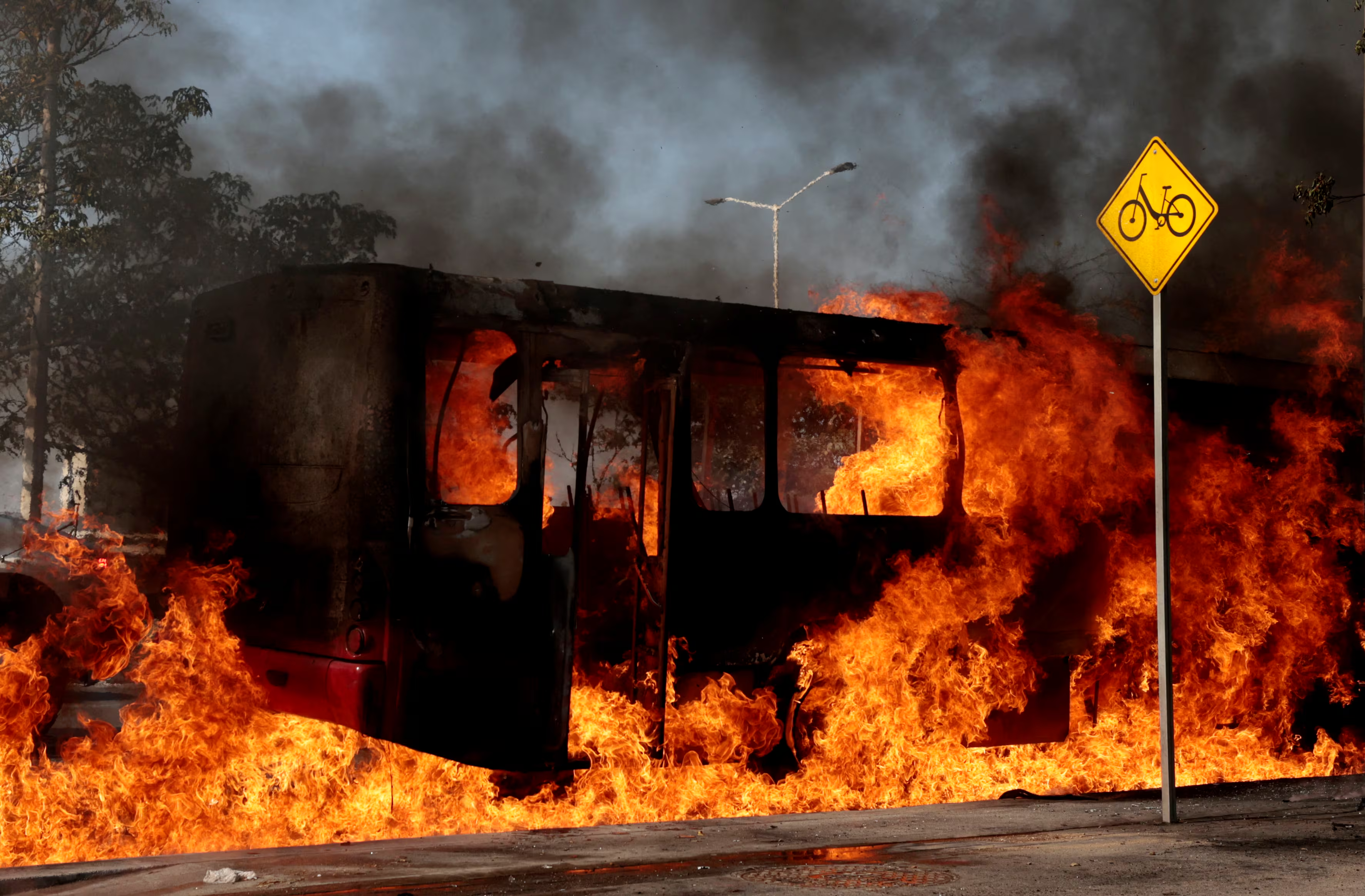
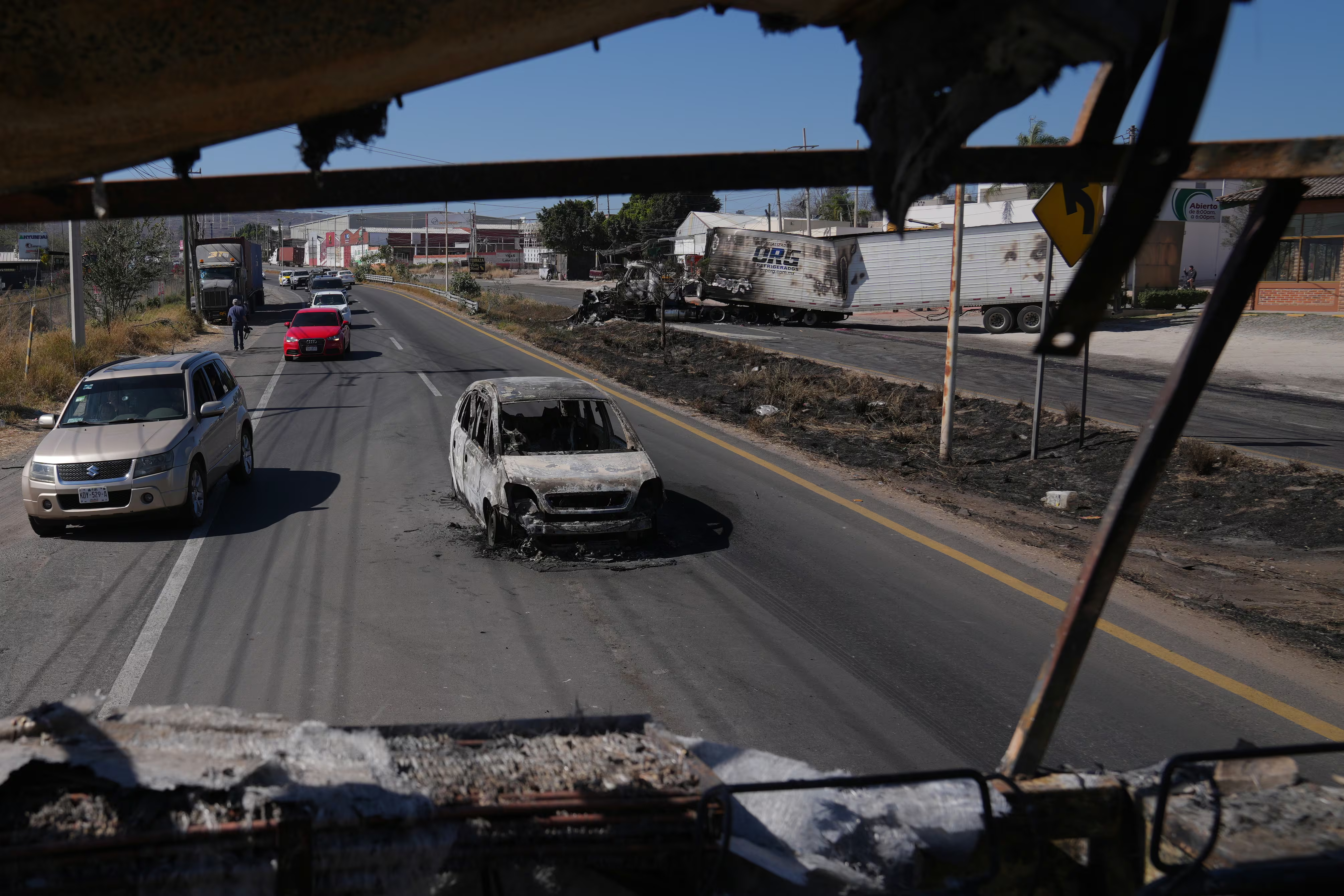
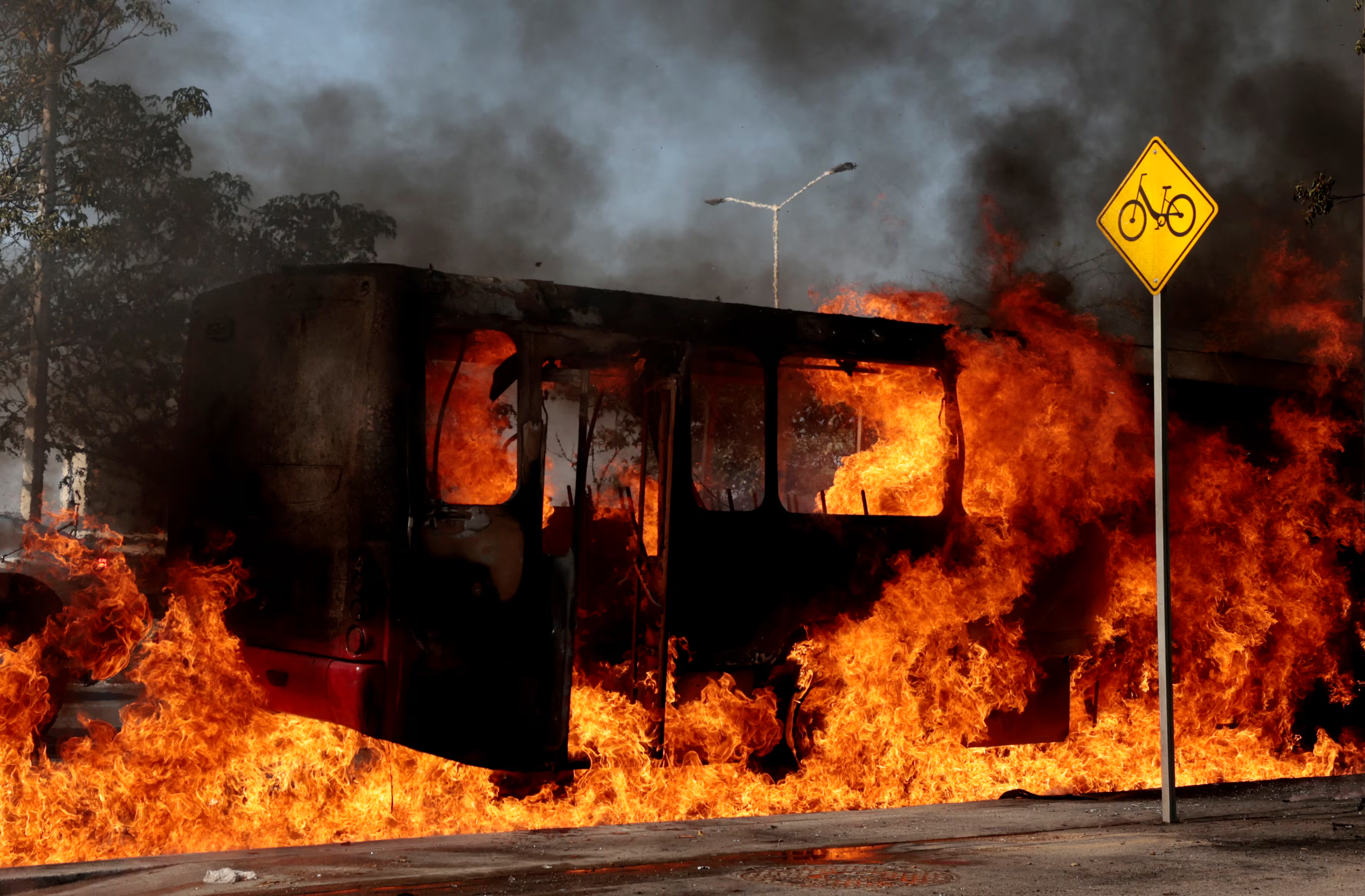
Mexican security forces conducted a high-stakes operation on February 22, 2026, resulting in the death of "El Mencho," the head of the Jalisco New Generation Cartel (CJNG). In immediate retaliation, cartel affiliates set up widespread road blockades and burned vehicles, including buses and private cars. These actions created plumes of smoke over the city and led to reports of gunfire and explosions in several neighborhoods.
Canadian journalist Dan Dicks, who found himself stranded in Puerto Vallarta, described waking to smoke visible from his hotel. He witnessed ongoing disturbances and chaos that forced many locals and tourists to shelter indoors. While videos of burning cars circulated on social media, some areas of the city remained eerily quiet as people heeded warnings to stay off the streets.
Importantly, no tourists were reported killed during the peak of the violence. However, the broader clashes resulted in over 70 deaths, including members of the National Guard and cartel affiliates. The disruptions have hit Canadian vacationers particularly hard, as Puerto Vallarta remains one of the most popular winter escape destinations for travelers from Toronto, Vancouver, and Montreal.
Heavy Impact on Canadian Travellers
Puerto Vallarta is a primary destination for Canadians escaping the winter cold. Global Affairs Canada reports that over 26,000 Canadians are currently registered across Mexico, with approximately 5,000 in Jalisco alone. Many more are likely in the region unregistered, making the fallout of flight cancellations and local restrictions a significant logistical challenge.
Major airlines including Air Canada, WestJet, Air Transat, and Porter suspended or canceled numerous flights to and from Puerto Vallarta International Airport (PVR). Air Canada specifically urged passengers to remain in their hotels rather than heading to the airport. While some airlines like Air Transat plan to resume operations on February 24, others are monitoring the situation day-to-day before committing to a full restart.
On the ground, local transportation has become difficult as ride-shares like Uber and traditional taxis have paused their services. While many resorts have remained largely insulated from the violence, guests have been confined to the properties for safety. Additionally, local schools and several businesses in the city center remained closed during the height of the tension.
Official Travel Advisories and Response
Global Affairs Canada has updated its travel advisory, urging a high degree of caution nationwide due to criminal activity. Specific warnings are in place for Jalisco and nearby Nayarit. Travelers are advised to shelter in place where orders apply, monitor local media, and register with the government via travel.gc.ca for the most recent safety updates.
Foreign Affairs Minister Anita Anand emphasized that the situation remains fluid but expressed expectations for normalization soon. Canadians on the ground have shared mixed experiences; while some felt fear due to limited information, others noted that resorts remained calm and they began "feeling more secure" as the military presence helped quiet the city.
Clear Signs of Stabilization
By the evening of February 23 into early February 24, no major new incidents were reported in Puerto Vallarta or Guadalajara. Canada's ambassador to Mexico described this as a "period of stabilization," noting that most blockades have been cleared and security forces have been reinforced to prevent further outbreaks of violence.
Mexican President Claudia Sheinbaum has indicated that the situation has calmed significantly, with commercial flights expected to resume progressively. While no repatriation flights are currently planned, airlines are offering increased flexibility for flight changes and refunds to accommodate those who were stranded.
The Enduring Appeal of Puerto Vallarta
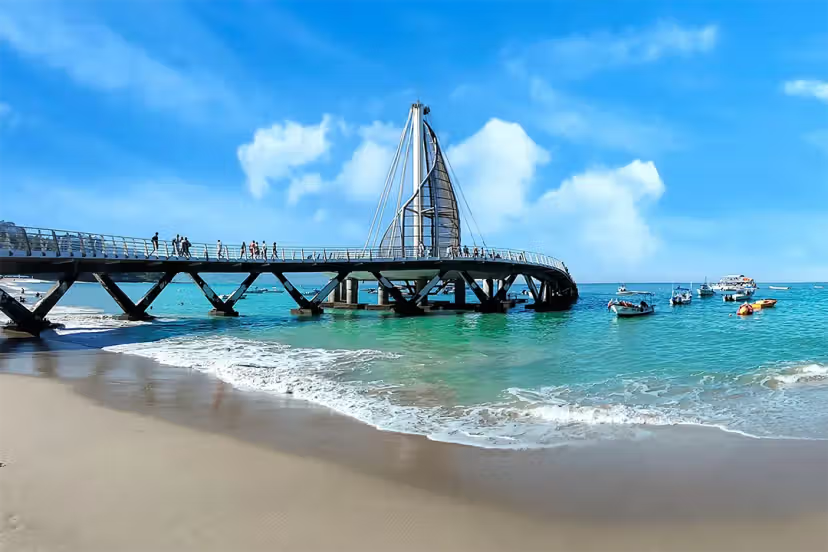
Despite the recent events, the natural draw of the region remains strong. February typically offers ideal weather with highs of 26-31°C, sunny skies, and low humidity. This environment is perfect for beach activities and strolls along the Malecón. Once normalcy fully returns, the city is expected to remain the welcoming destination Canadians have long loved.
Puerto Vallarta has bounced back from past challenges, and this specific incident appears to be short-lived and retaliatory rather than aimed at the tourism sector. For those with upcoming bookings, it is recommended to stay informed via official sources, check with airlines regarding real-time flight status, and ensure travel insurance policies offer necessary flexibility.