Is Travel Insurance Worth It for Canadians Going to Europe? Your 2026 Guide
By Tom ·
Thinking about a European adventure from Canada? Find out why travel insurance isn't just a good idea, but essential for your peace of mind and wallet.

Is travel insurance worth it for Canadians going to Europe?
After years of helping Canadian travellers plan their dream trips, I can confidently tell you that yes, travel insurance is absolutely worth it for Canadians heading to Europe. While Europe generally ranks as an incredibly safe global region for travellers in 2025-2026, boasting a strong safety score of 4.2 according to ReviewThenGo's internal safety-intel tool, the primary concern for us Canadians isn't crime, but rather the potentially astronomical costs of medical emergencies abroad. Our provincial health plans offer very limited, if any, coverage once you leave Canada, meaning a simple hospital visit or an ambulance ride in a European country could set you back thousands, or even tens of thousands, of dollars.
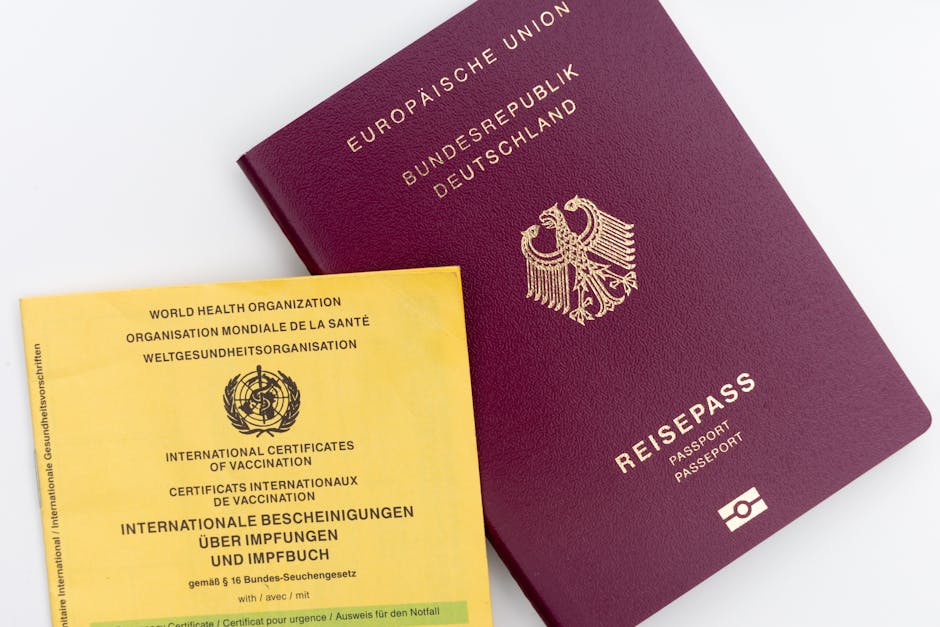
Europe scores high across the board for political stability, personal safety, low crime rates, and reliable infrastructure, which is fantastic news for day-to-day exploring. For instance, Street Safety has a score of 4.5, reflecting high personal safety, and Health & Hygiene scores 4.3, indicating excellent healthcare access and high standards. However, even with these high scores, common travel mishaps can still occur. Petty crime, for example, scores 3.8 due to common petty theft in tourist areas. Common scams like pickpocketing, the fake petition scam, and overpriced taxis are listed as concerns by our safety-intel tool, requiring vigilance, especially in crowded spots. These are important to be aware of, but they don't carry the financial devastation of an uninsured medical emergency.
The real value of travel insurance for a Canadian traveller to Europe comes down to protecting your financial well-being against the unexpected. Imagine a sudden illness, an accident, or even needing to be medically evacuated back to Canada. These aren't just inconveniences; they could lead to personal bankruptcy. Canada's government explicitly states that they will not cover or pay your medical bills abroad. While Canadians don't need a Schengen Visa, which some nationalities require along with mandatory minimum insurance, this doesn't exempt us from the financial risks inherent in international travel. Securing comprehensive travel insurance ensures that you're covered for emergency medical care, trip cancellations or interruptions, and even lost baggage, providing crucial peace of mind for a fraction of your overall trip cost.
Want a personalized answer? Use ReviewThenGo's Safety Scores tool (/safety) to get the latest safety score and scam alerts in seconds.
Why Your Canadian Health Plan Won't Cut It in Europe
From what I've seen working with clients, one of the biggest misconceptions Canadians have is thinking their provincial health plan will cover them abroad. Unfortunately, this is far from the truth. Most Canadian provincial and territorial health plans offer extremely limited, if any, coverage for medical treatment outside of Canada. This means that if you have an accident or fall ill in Europe, you'll be personally responsible for 100% of the medical bills.

Consider these potential costs: a doctor's visit could be hundreds of dollars, an ambulance ride even more, and a hospital stay for a serious injury or illness could easily run into the tens of thousands. In some cases, foreign hospitals may even demand upfront cash payment or proof of insurance before providing treatment. Without comprehensive travel insurance that includes emergency medical coverage, you're exposing yourself to significant financial risk.
I always advise my clients to factor in travel insurance as an essential part of their trip budget. Think of it as investing in peace of mind. While Europe is known for its excellent healthcare access and hygiene standards, as noted by its 4.3 Health & Hygiene score from ReviewThenGo, these services come at a cost, and that cost will fall squarely on you without proper coverage.
Beyond Medical: Other Critical Protections for Your European Trip
While emergency medical coverage is undoubtedly the cornerstone of any good travel insurance policy for Canadians, it’s far from the only benefit. A comprehensive plan protects you against a host of other potential travel disruptions that can quickly turn a dream vacation into a nightmare. These include trip cancellation, trip interruption, and baggage issues.

What Happens if Your Trip is Cancelled or Interrupted?
Imagine booking a non-refundable flight and hotel package for your European getaway, only to have to cancel due to a sudden illness in the family, or an unexpected job loss before you even depart. Without trip cancellation insurance, you could lose 100% of those non-refundable expenses, which for a European trip can easily amount to thousands of dollars.
Trip interruption coverage is equally vital. This kicks in if something forces you to cut your trip short after you've already started. Perhaps a family emergency calls you home, or a natural disaster occurs in your destination (Europe generally has a low risk of natural hazards, scoring 4.0 in this category, but regional weather events can happen). It reimburses you for the unused portion of your trip and often covers the cost of an unexpected early return flight. These are the scenarios that can not only ruin your vacation but also hit your wallet hard.
Lost Luggage and Travel Delays: Small Worries, Big Hassles
Then there are the more common, though no less annoying, travel issues like lost or delayed baggage. While not as financially devastating as a medical emergency, having your luggage go missing can significantly impact your trip, especially if it contains essential items. Many comprehensive policies offer reimbursement for lost or stolen baggage, and some even provide funds for essential purchases if your luggage is delayed for a certain period. Similarly, travel delay coverage can compensate you for unexpected expenses, like extra meals or accommodation, if your flight is significantly delayed.
These protections, while often overlooked, contribute significantly to a stress-free travel experience. They act as a financial safety net, allowing you to deal with unforeseen circumstances without the added burden of massive out-of-pocket costs.
Understanding Europe's Safety Landscape for Canadians in 2026
From my perspective as a Toronto-based agent, Europe consistently ranks as a top choice for Canadian travellers, and for good reason. ReviewThenGo’s safety-intel tool confirms Europe’s excellent safety profile, giving it an overall safety score of 4.2 out of 5 for 2025-2026. This high rating covers political stability, personal safety, low violent crime, and reliable infrastructure, providing a solid foundation for your travels.
The region shines in areas like Street Safety (4.5) and Health & Hygiene (4.3). This means you can generally feel secure walking around and can expect excellent medical facilities should you need them, further emphasizing the importance of insurance to cover the cost of those excellent facilities. Natural Hazards score 4.0, indicating a low overall risk, though it's always wise to be aware of regional weather patterns.
What are the common scams to watch out for in Europe?
While Europe is safe overall, as with any popular tourist destination, there are common petty crimes and scams to be aware of. ReviewThenGo's tool highlights a Petty Crime score of 3.8, noting that petty theft is common in tourist areas. Being vigilant, especially in crowded spots, is key. Here are some specific scams to watch out for, directly from our intel:
* Pickpocketing: Thieves often target crowded tourist sites. A simple tip I always give is to avoid carrying valuables visibly and to use anti-theft bags with hidden zippers or compartments. Keep your wallet in a front pocket, not a back one.
* Fake Petition Scam: This involves groups approaching tourists, asking them to sign petitions, and then pickpocketing them while distracted. The best defense here is to politely decline and keep walking.
* Overpriced Taxi: Unofficial taxis are notorious for overcharging unsuspecting tourists. Always use licensed taxi apps or official taxi ranks, and confirm the fare or ensure the meter is running before starting your journey.
Staying aware of your surroundings and knowing these common tactics can significantly reduce your risk of becoming a victim. For the latest safety scores and scam alerts for your specific destinations in Europe, ReviewThenGo's Safety Scores tool is an invaluable resource.
How Much Does Travel Insurance Cost Versus Its Value?
Cost is often a major factor when considering travel insurance. Many Canadians might balk at adding another expense to an already costly European vacation. However, when you weigh the potential costs of an uninsured incident against the price of a policy, the value becomes incredibly clear. Travel insurance typically costs a relatively small fraction of your overall trip expense, often just a few dollars a day.
For a typical European vacation costing anywhere from $3,000 to $6,000 or more, the insurance premium might be a couple of hundred dollars. This small investment provides coverage that could save you tens of thousands. Think of a hypothetical broken ankle in Paris, which without insurance, could lead to a $20,000+ bill. Or a flight cancellation that wipes out your entire non-refundable package. The small upfront cost of insurance pales in comparison to these potential losses.
The cost will vary based on several factors, including your age, the length of your trip, the total cost of your trip, and any pre-existing medical conditions. Generally, younger and healthier travellers will find policies more affordable, while those over 70 might see higher premiums. It's always best to compare quotes from several reputable Canadian providers like Manulife, Allianz, TuGo, or Blue Cross to find the best policy for your specific needs.
Key Features to Look For in Your Travel Insurance Policy
When hunting for the right travel insurance, don't just pick the cheapest option. It’s crucial to understand what you’re buying. From my experience planning trips like this, these are the non-negotiable features for Canadians going to Europe:
* Emergency Medical Coverage: This is paramount. Ensure it has a high limit (at least $1 million, preferably more) and explicitly covers emergency consultations, ambulance services, hospital stays, and prescription medications. Make sure it's primary coverage, meaning it pays first without waiting for other insurance.
* Medical Evacuation and Repatriation: This is critical! If you suffer a serious injury or illness, you’ll want coverage to transport you to the nearest appropriate medical facility, or even back to Canada if medically necessary. The costs here can be astronomical, easily reaching six figures without insurance.
Pre-existing Conditions Coverage: If you have any pre-existing medical conditions, you must* ensure your policy covers them. This almost always involves a
stability period,
meaning your condition must have been stable for a certain period (e.g., 90 to 180 days) before your trip. Read the fine print carefully.
* Trip Cancellation and Interruption: As discussed, this protects your financial investment in the trip itself. Look for policies that cover a wide range of unforeseen events.
* Baggage Loss, Delay, or Theft: While less catastrophic, this coverage can save you from a lot of hassle and expense if your belongings are lost or stolen.
* 24/7 Emergency Assistance: A good policy will offer round-the-clock support, allowing you to get help no matter the time zone or situation.
Also, be sure to meticulously review the policy's exclusions and limits. Don't assume anything. For instance, some adventure activities might not be covered, or there might be specific regional exclusions (though less common for broad European policies). Buying your insurance early, ideally when you book your trip, is another smart move, as it will cover pre-trip issues like sudden cancellations.
Do Credit Card Travel Perks Suffice?
Many premium credit cards offer various travel perks, and it's tempting to rely on these for your insurance needs. While some credit cards provide limited coverage for things like flight delays, car rental insurance, or even some baggage protection, they very rarely offer comprehensive emergency medical or medical evacuation coverage equivalent to a dedicated travel insurance policy. Their coverage limits are often lower, and they might have more restrictions or deductibles.
It's crucial to thoroughly review your credit card's benefits guide and, if in doubt, contact your credit card provider directly to understand exactly what is and isn't covered. Never assume. For essential medical and trip cancellation/interruption coverage, a standalone travel insurance policy from a reputable provider is almost always the superior choice for Canadians heading to Europe.
Europe Travel Safety Tips for Canadians
Beyond insurance, here are some practical tips to keep you safe and your trip running smoothly in Europe:
* Stay Connected: Know the local emergency number, which is 112 across most of Europe for police, ambulance, and fire. Our safety-intel tool confirms this universal number. You can dial 112 and request tourist assistance if needed.
* Safest Areas: If you're particularly safety-conscious, our tool identified Switzerland, Netherlands, Austria, and Finland as some of the safest areas within Europe. These can be great starting points for your itinerary.
* Health Precautions: Ensure all your routine vaccinations are up to date. Carry any necessary personal medications with you, along with copies of prescriptions. Knowing the locations of English-speaking medical facilities can also be very helpful.
* Review Travel Advisories: Always check the latest travel advisories from the Canadian government before your trip. Our safety-intel tool notes a Level 1 advisory for most European countries, meaning 'exercise normal precautions,' but it's always good to check for specific regions. You can find detailed advisories on ReviewThenGo's travel advisories (/travel-intel) section.
FAQ: Travel Insurance for Canadians in Europe
As a travel consultant, I get a lot of questions about travel insurance. Here are some of the most common ones regarding European trips for Canadians, answered directly:
Is travel insurance mandatory for Canadians entering Europe?
No, travel insurance is not legally mandatory for Canadians entering Europe for short stays. Canadians do not need a Schengen Visa, which is the primary reason some nationalities are required to show proof of travel insurance. However, while not mandatory, it is highly recommended due to the limited coverage provided by Canadian provincial health plans abroad and the high cost of European medical care.
What is the approximate cost of travel insurance for a trip to Europe?
The cost of travel insurance for Europe varies widely, but it typically ranges from a few dollars per day to a few hundred dollars for a multi-week trip. Factors influencing the cost include your age, the length of your trip, the total value of your non-refundable expenses, and any pre-existing medical conditions. Young, healthy travellers will generally find it more affordable, while seniors will incur higher costs.
Can I rely on my credit card's travel insurance for my European trip?
While some premium credit cards offer certain travel perks like limited flight delay or car rental insurance, they rarely provide comprehensive emergency medical coverage or medical evacuation that is robust enough for international travel. Credit card benefits often have lower limits, more exclusions, or require you to pay out of pocket first. It's best to treat credit card insurance as supplementary and secure a dedicated travel insurance policy for Europe.
When is the best time to purchase travel insurance?
The best time to purchase travel insurance is as soon as you book your initial non-refundable trip expenses, such as flights and accommodation. This is because many policies include trip cancellation coverage that begins from the date of purchase, protecting your investment from unexpected events that might occur before you even leave Canada. Waiting until the last minute only covers you for incidents that happen during your trip.
Ultimately, for any Canadian heading to Europe, comprehensive travel insurance isn't just a suggestion, it's a strategic necessity. The mild inconvenience of arranging a policy greatly outweighs the severe financial and emotional distress that could arise from an uninsured incident abroad. My professional advice is always to get personalized quotes from several Canadian providers and choose a policy that gives you the most complete coverage and peace of mind. Safe travels, and enjoy all that amazing Europe has to offer! To help plan your perfect itinerary, check out ReviewThenGo's itinerary builder (/itinerary) and for great flight deals, visit our flight deals (/flights) page.
Frequently Asked Questions
Is travel insurance mandatory for Canadians entering Europe?
No, travel insurance is not legally mandatory for Canadians entering Europe for short stays. Canadians do not need a Schengen Visa, which is the primary reason some nationalities are required to show proof of travel insurance. However, while not mandatory, it is highly recommended due to the limited coverage provided by Canadian provincial health plans abroad and the high cost of European medical care.
What is the approximate cost of travel insurance for a trip to Europe?
The cost of travel insurance for Europe varies widely, but it typically ranges from a few dollars per day to a few hundred dollars for a multi-week trip. Factors influencing the cost include your age, the length of your trip, the total value of your non-refundable expenses, and any pre-existing medical conditions. Young, healthy travellers will generally find it more affordable, while seniors will incur higher costs.
Can I rely on my credit card's travel insurance for my European trip?
While some premium credit cards offer certain travel perks like limited flight delay or car rental insurance, they rarely provide comprehensive emergency medical coverage or medical evacuation that is robust enough for international travel. Credit card benefits often have lower limits, more exclusions, or require you to pay out of pocket first. It's best to treat credit card insurance as supplementary and secure a dedicated travel insurance policy for Europe.
When is the best time to purchase travel insurance?
The best time to purchase travel insurance is as soon as you book your initial non-refundable trip expenses, such as flights and accommodation. This is because many policies include trip cancellation coverage that begins from the date of purchase, protecting your investment from unexpected events that might occur before you even leave Canada. Waiting until the last minute only covers you for incidents that happen during your trip.