5 Travel Review Mistakes That Cost You Money (And How to Avoid Them)
By Tom ·
Don't let misinterpreted reviews drain your travel budget! Discover five common travel review mistakes that cost you money and learn practical strategies to avoid them, helping you save big on your next adventure.

As a fellow Canadian traveler, I know we all love a good deal. We scour review sites, compare prices, and try to stretch our hard-earned loonies as far as they can go, especially with the fluctuating Canadian dollar. However, relying on reviews blindly or misinterpreting key details can actually cost you a lot of money. Believe me, I've seen it happen to countless travelers, and I've even learned some of these lessons the hard way myself.
In this article, I'm going to share the five most common travel review mistakes that cost you money, along with actionable tips to help you avoid them. My insights are based on years of travel experience and a deep dive into expert advice. By the time you're done reading, you'll be a review-reading pro, ready to save 20 to 50 percent on your upcoming trips.
1. Overlooking Hidden Fees in Hotel and Rental Reviews
Imagine booking a hotel room that seems like a steal, only to be hit with a resort fee, a mandatory cleaning charge, or even prepaid tolls if you're renting a car. Many travelers Rave about a "great deal" in their reviews, but they often forget to mention these additional costs. These sneaky fees can easily inflate your total bill by 10 to 30 percent. This is particularly common in popular destinations like Las Vegas or various Caribbean resorts.

This mistake often happens when booking through third-party sites like Expedia or Booking.com, where these fees might only be disclosed at the very end of the booking process, or even worse, at checkout when it's too late to back out. As a Canadian, I know we often look for the lowest headline price, but the devil is truly in the details.
How to Avoid Hidden Fee Surprises
To make sure you're not caught off guard, here's what I recommend:
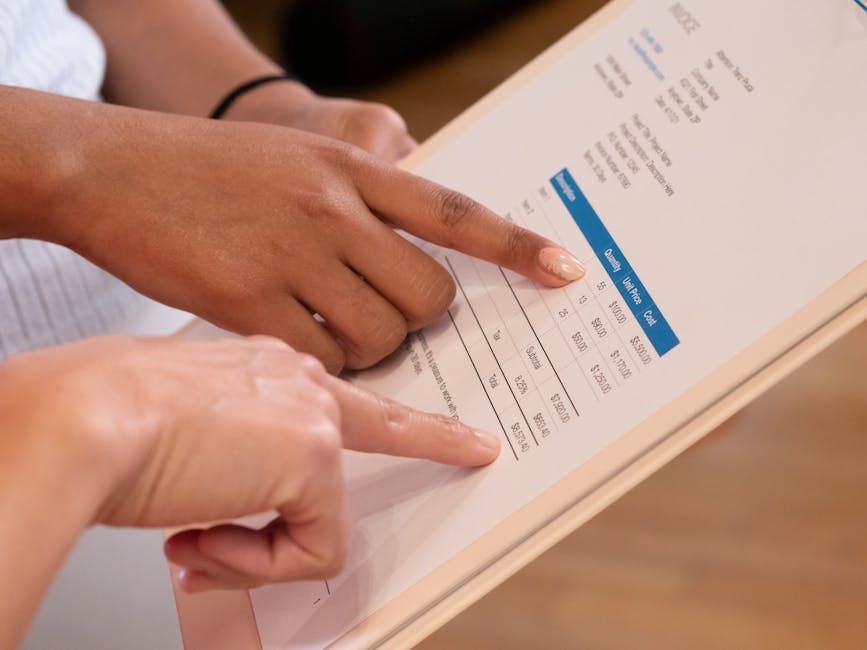
First, always scan recent reviews, especially those from the last six months. Look for keywords like "fees," "resort charge," "cleaning fee," "extra costs," or "additional charges." Pay attention to the most recent comments, as pricing structures can change frequently.
Second, and this is a big one, try to book directly with hotels or airlines whenever possible. When you book directly through the provider's official website, they are generally much more transparent about the full pricing upfront. Sometimes, Canadian loyalty programs, like an Aeroplan membership through Air Canada, might even waive certain fees on direct bookings, which is a fantastic perk worth exploring. You can also check out our hotel reviews tool at ReviewThenGo to compare prices and read what other travelers are saying about specific properties before you commit.
2. Trusting Outdated or Incomplete Flight Reviews Without Cross-Checking Sites
When it comes to flights, many travelers rely heavily on reviews from major sites like Expedia or Kayak. While these platforms are useful, their reviews often miss the bigger picture. Reviewers rarely mention multi-airline combinations or alternate airport options that could save you a significant amount of money. I've personally saved $100 or more per ticket by looking beyond the obvious choices.
These review platforms often don't prompt users to compare flights across more comprehensive aggregators like Skyscanner or Google Flights. This oversight can lead you to believe you've found the best deal, when in reality, a better, cheaper option might be just a few clicks away.
How to Find the Best Flight Deals
To ensure you're getting the best possible flight price in 2026, here are my go-to strategies:
Always start by using incognito or private browsing mode in your web browser. This prevents websites from using cookies to track your searches and potentially inflate prices based on demand. It's a simple trick, but it can make a difference.
After you've identified a flight praised in reviews, take the extra step to verify those options on at least three different flight comparison sites. Google Flights is excellent for exploring nearby airport options. For example, if you're flying from Southern Ontario, consider looking into flights from Buffalo, New York, instead of just Toronto Pearson (YYZ). The drive might be worth the savings, especially with the Canadian dollar exchange rate.
Finally, set up price alerts. Many flight tracking tools allow you to do this, and you'll get notifications when prices drop for your desired route. For Canadians, this is particularly handy for transatlantic routes, where prices can fluctuate significantly. You can find more up-to-date flight deals and comparison tools on our ReviewThenGo flights page.
3. Falling for Tourist Traps Praised in Social Media Reviews
Oh, the allure of Instagram! Social media reviews, particularly those with stunning photos and catchy captions, often hype up places that are essentially tourist traps. These spots, like overly popular eateries in prime tourist areas or overpriced, overbooked tours, frequently come with a 2 to 3 times markup. You'll see countless travelers echoing "must-see" recommendations without ever noting the lack of local value or the availability of authentic, more affordable alternatives.
I've been there, lured by a beautiful photo of a cafe, only to find it packed with other tourists and serving mediocre food at inflated prices. It’s easy to get swept up in the hype, but it rarely leads to an authentic or budget-friendly experience.
How Can You Spot and Avoid Tourist Traps?
Here’s how to outsmart the tourist traps and find those hidden gems:
When you're sifting through reviews on Google and TripAdvisor, try filtering them by "locals" or even by non-English speakers. These reviews often provide a more genuine perspective on what's truly good and where the locals prefer to go. You’ll frequently find that the best spots are a few blocks away from the main squares or most famous landmarks.
My personal rule of thumb is to walk at least two to three blocks away from the main tourist hubs. That's typically where you'll find more authentic restaurants, cafes, and shops with fair prices. For my fellow Canadians, if you're traveling south of the border, always check out Reddit's r/travelcanada. You'll find a wealth of CAD-friendly tips for U.S. border towns and beyond, often from locals who know the true value spots. You can also use our ReviewThenGo safety tool to check the safety scores of different neighborhoods before venturing off the beaten path.
4. Ignoring Currency and Payment Warnings in International Reviews
This is a big one, especially for Canadians traveling internationally. Many international reviews neglect to mention the crucial pitfalls of dynamic currency conversion (DCC). DCC happens when you're given the option to pay in your home currency (CAD or USD) instead of the local currency while abroad. While it might seem convenient, it's almost always a terrible deal.
Merchants offering DCC typically apply a significantly worse exchange rate, charging you an extra 5 to 10 percent compared to what your Canadian bank would offer. You'll also encounter similar complaints about exorbitant fees and poor rates at airport currency exchange kiosks. I learned this the hard way on a trip to Europe years ago; paying in CAD on one transaction cost me far more than if I had just selected the local currency.
How to Navigate International Payments Wisely
To keep more of your money in your pocket when you're traveling internationally:
Whenever you're making a payment abroad, whether it's at a restaurant, a shop, or an ATM, always, always choose to pay in the local currency. Your Canadian bank, such as RBC or TD, will typically offer a much better exchange rate. Some Canadian credit cards, like the Scotiabank Passport Visa Infinite, even offer no foreign transaction fees and sometimes 2 to 3 percent cashback on purchases abroad, which is a fantastic way to save. Always keep an eye on the latest exchange rates with our ReviewThenGo currency tracker.
When reading reviews, specifically search for mentions of "DCC," "dynamic currency conversion," "exchange rates," or "payment options." Reviewers who have been stung by these fees will often warn others. Be vigilant, and don't let a moment of convenience cost you a significant amount over your trip.
5. Skipping Loyalty Program Mentions and Insurance Gaps in Reviews
This final mistake can be one of the costliest. Many reviews focus solely on the immediate experience and rarely delve into the nuances of loyalty programs or the critical importance of travel insurance. This oversight can lead to paying full price for things you could have earned through points or, far worse, being unprotected in a medical emergency.
For Canadians, this is particularly vital. Our provincial health plans, like OHIP, do not cover medical emergencies abroad, or they offer very limited coverage. I've heard too many stories of travelers facing пяти-figure medical bills because they didn't have adequate coverage. Similarly, overlooking loyalty programs means leaving valuable points and perks on the table.
How to Maximize Loyalty Perks and Ensure Insurance Coverage
Here’s how to be a savvy traveler by leveraging loyalty programs and ensuring you’re properly insured for your 2026 travels:
Before your trip, search reviews for mentions of specific loyalty programs like "Aeroplan," "Marriott Bonvoy," "Hilton Honors," or "insurance claim." These keywords can provide valuable insights into how other travelers have utilized their points or addressed issues. It’s also wise to join free loyalty clubs for airlines and hotels you frequent, even if you don't have a co-branded credit card. You'll often accrue small perks that add up.
Most importantly, always, always buy standalone travel insurance. Do not rely solely on your credit card's insurance, as it often has significant limitations. Look for policies from reputable providers like Allianz or TuGo that cover at least $1 million in medical emergencies. When reading reviews, pay close attention to comments about the claims process; you want a provider known for straightforward, efficient service. Our ReviewThenGo travel intel section also provides up-to-date travel advisories and safety scores, which help inform your insurance needs.
Protecting yourself with comprehensive insurance is not just a recommendation; it's a necessity for Canadian travelers stepping outside the border. Consider using our packing toolkit to ensure you have all essential documents, including your insurance policy, easily accessible.
Final Thoughts on Smart Review Reading
By being more analytical with your travel review consumption, you can truly cut down on unnecessary expenses and enhance your travel experiences. Remember to prioritize reviews that are four stars or higher, and always look for verified stays with photos. The more specific and detailed the review, the more valuable it is to your planning.
Don't let these common travel review mistakes cost you money! Be an informed traveler, and your wallet will thank you. Happy travels, and may your next adventure be both memorable and budget-friendly.
Frequently Asked Questions About Travel Reviews and Saving Money
Frequently Asked Questions
How do I spot hidden fees in hotel reviews?
To spot hidden fees, scan recent reviews (last 6 months) for keywords such as "fees," "resort charge," "cleaning fee," or "extra costs." Additionally, check the hotel's official website or consider booking directly to see all charges upfront, as third-party sites can sometimes hide these until later.
What's the best way to ensure I'm getting the cheapest flight?
Always use incognito mode when searching for flights to avoid price hikes. Verify any flight deals found in reviews by cross-checking on at least three different platforms like Google Flights or Skyscanner. Also, set up price alerts for your desired routes to be notified of drops.
How can I avoid tourist traps recommended in social media reviews?
To avoid tourist traps, filter reviews on sites like Google or TripAdvisor by "locals" or non-English speakers to get authentic recommendations. Walk a few blocks away from popular tourist areas to find more genuine and often cheaper local establishments. Also, leverage local online communities for tips.
Should I pay in local currency or CAD when traveling internationally?
Always choose to pay in the local currency when traveling internationally. Merchants offering to convert to CAD often use poorer exchange rates through dynamic currency conversion (DCC), costing you more. Your Canadian bank will typically offer a better rate for foreign transactions.
Why is travel insurance so important for Canadians, and how do reviews help?
Travel insurance is crucial for Canadians because provincial health plans offer limited or no coverage abroad, leading to potentially massive medical bills. While reviews rarely detail insurance, you can search them for terms like "insurance claim" to gauge a provider's service. Always purchase comprehensive standalone travel insurance for adequate protection.