Trending Travel News in 2026: What Canadians Need to Know
By Tom ·
Stay informed on the latest travel news impacting Canadians in 2026, from US border policy changes to rising costs and climate concerns. Plan smarter trips!

What is the latest in travel news?
Travel news in 2026 is a dynamic mix of evolving policies, economic pressures, and changing traveller behaviours, all of which specifically impact Canadian adventurers. The headlines are not just about popular destinations or where the best deals are, but increasingly revolve around intricate border rules, the privacy of our digital devices, the rising costs of everything from flights to hotels, and the looming shadow of climate change affecting our favourite spots. One of the most significant shifts for Canadians is the updated travel advisory for the U.S., highlighting increased scrutiny at the border, including device searches. This is a considerable development given our frequent cross-border trips and signals a need for greater awareness and preparation. It's not just a quick hop over the border anymore; there's a need to be informed on entry requirements and digital privacy. Despite these complexities, the overall demand for travel remains strong. Canadians are eager to explore, but they are also becoming more discerning. The emphasis has shifted from simply finding the cheapest option to securing flexible booking terms, cancellation protection, and packages that offer some price guarantees against volatile airfares and hotel rates. This is a direct response to the cost inflation and policy changes that are making travel planning a bit less predictable. From what I've seen working with clients, this resilience in demand is paired with a growing awareness of sustainability. Airlines and the broader travel industry are facing immense pressure to meet net-zero goals, yet progress is a challenge. Travellers are beginning to see this reflected in potential environmental surcharges and a greater focus on choosing more sustainable options, particularly for long-haul journeys where Canada's dependency on aviation for international travel is a factor. Hotels, too, are grappling with higher operating costs, leading to slower renovation cycles and increased resort fees, meaning the value proposition is constantly shifting. Finally, the travel experience itself is evolving. There's a noticeable move towards 'experience-first' and value-aware trips. This means more multi-generational getaways, celebration travel, and a preference for curated experiences over generic holidays. The infrastructure supporting travel is also modernizing, with airports implementing biometrics and self-service options, aiming for smoother journeys. But even with these advancements, climate risk is a persistent topic, impacting everything from wildfire seasons at home to glacier loss abroad, demanding that travellers consider how environmental changes might affect their plans and even their travel insurance coverage. All these factors combine to paint a picture of travel in 2026 that is resilient, but also requires more informed and flexible planning than ever before.

What Canadian Travellers Should Watch Closely
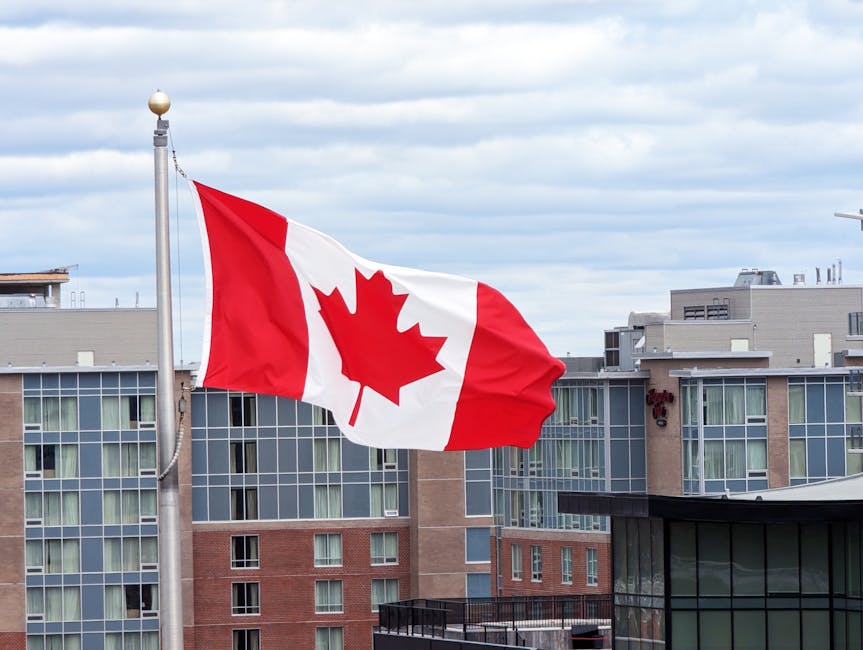
After years of helping Canadian travellers, I've learned that staying informed about policy changes and economic shifts is paramount, especially when crossing borders. The relationship with our neighbours to the south is changing, and it's reflected in updated travel advisories. Skift recently highlighted that Canada updated its U.S. travel advisory, specifically warning about device searches of travellers. This is a significant concern because previously routine trips are now subject to greater scrutiny. For Canadians, who frequently cross the U.S. border for leisure, work, or to visit family, this change requires careful attention. It's a clear signal that border processes are tightening.
Why Your U.S. Trip Might Feel Different Now
For many Canadians, the U.S. is practically a backyard destination. However, current trends indicate that what was once a straightforward journey may now involve more thorough checks. This matters because travel demand is sensitive to factors like border wait times, the thoroughness of documentation checks, and even potential electronics inspections. Nobody wants their trip to start with an unexpected delay or a feeling of unease. My practical advice if you're heading to the U.S. is to be proactive. Ensure your phone and laptop are locked, and consider minimizing sensitive personal or work information on your devices. Carrying proof of your trip's purpose, your return plans, and accommodation details can also help smooth the process. Always review the current Government of Canada travel advice before you leave, as things can change rapidly. If you're travelling for work, make sure your company's device and privacy policies are clear and you adhere to them.

Is Travel Resilient Enough? Economic Shocks and Booking Behaviour
The travel industry is constantly balancing strong consumer demand with external disruptions. Skift's current coverage asks a crucial question: Is travel resilient enough to withstand U.S. policy shifts and broader economic factors? In 2026, we're seeing how tariffs, cost inflation, and general economic uncertainty are influencing how and when Canadians book their trips. This uncertainty means travellers are increasingly looking for flexibility. Think flexible booking terms, robust cancellation protection, and package deals with price guarantees. These features offer peace of mind when dealing with volatile airfares and hotel rates. It's not just about planning a trip; it's about smart planning that protects your investment.
Why Your Hotel is Getting Pricier Even When It Doesn’t Feel Better
It's no secret that travel costs are on the rise, and hotels are certainly feeling the pinch. Skift has reported on the impact of tariffs on hotels, noting concerns about higher operating costs, delayed renovations, and a potential softening of demand. This is important because it directly affects the traveller's experience and what they get for their money. Higher operating costs can translate into slower refresh cycles for hotels, fewer new room upgrades, and an increase in resort fees or service charges. You might also notice more dynamic pricing during peak periods. For Canadian travellers heading to the U.S., the Caribbean, or Europe, it's wise to watch for renovation schedules, clear disclosures of resort fees, and any extra charges for parking, Wi-Fi, or mandatory gratuities. What feels like a great deal upfront can accumulate hidden costs, so always read the fine print.
Sustainable Travel Under Pressure: What Travellers May Notice
Climate and travel remain a major news category in 2026. Skift's reporting includes stories about airlines struggling to hit
"net zero" goals and industry leaders expressing frustration over the slow progress in emissions reduction. There's also tension between the EU and European airlines regarding green fuel mandates, and destinations like Iceland are facing the stark reality of glacier loss and its impact on tourism. Aviation is one of the hardest sectors to decarbonize, and while the industry is working on expanding sustainable aviation fuel, it remains limited and expensive. As a Canadian traveller, you might notice environmental surcharges on flights, a growing emphasis on carbon disclosures, and more marketing around "sustainable" hotel stays. For short-haul European routes, there may also be increasing pressure to choose rail over flights. Given Canada's geographical reliance on aviation for long-haul international travel, these trends are particularly relevant. Climate-related disruptions can impact everything from wildfire seasons impacting summer routes to the resilience of various destinations.
Experience-First and Value-Aware Trips: Shifting Global Preferences
The American Express 2026 Global Travel Trends Report points to a continued interest in how travellers choose experiences and what they expect from their trips. It reinforces what we've been seeing for a while: travellers increasingly want trips that feel personal, meaningful, and genuinely worth the spend. This translates into preferences for more multi-generational trips, a rise in "celebration travel" for birthdays or anniversaries, and a focus on better hotel and flight experiences rather than just chasing the lowest price. Curated small-group tours and upgrades to premium economy or business class on longer routes are also gaining popularity. This aligns well with Canadian booking patterns, where long-haul value, winter sun, and all-inclusive packages for cost certainty remain strong, alongside growing interest in experience-led trips to places like Japan and South America.
Evolving Airports and Aviation Infrastructure: Smoother Connections?
Airports are no longer just transit points; they're becoming integral parts of the travel experience, especially in hubs across Asia and the Middle East. Travel And Tour World and other industry coverage highlight continuous innovation in airport infrastructure. Common trends include biometric boarding, self-service bag drop, faster security screening, and AI-enabled wayfinding. For Canadians connecting through major hubs like Dubai, Doha, Singapore, Seoul, Tokyo, Amsterdam, or London, this could mean smoother transfers and a more efficient journey. However, depending on the airport, you might also encounter tighter ID and security checks. It's always wise to allow extra connection time, especially when changing terminals, travelling with checked bags, or connecting to the U.S. after landing abroad, particularly during high season or periods of weather risk.
Cruise and Tour Promotions: Finding Value in Packaged Deals
TravelPulse's recent headlines show that cruise lines and tour operators are still leveraging aggressive promotions to attract travellers, including flash sales and the launch of new small-group tours. This indicates a competitive leisure travel market and continued strong demand for packaged experiences. For travellers, this means there's often good value to be found in cruising, escorted tours, back-to-back sailings, and bundled air-hotel packages. These options simplify budgeting, reduce planning stress, and often include meals and excursions, making multi-stop international travel easier. This is particularly appealing for Canadians looking for cost certainty and to avoid unpredictable out-of-pocket expenses.
Destination News and Climate Risk: Planning for a Changing World
Climate change is no longer just a long-term concern; it's actively shaping travel planning in 2026. The news of Iceland's shrinking glaciers serves as a stark reminder that some destinations are undergoing fundamental changes that directly impact tourism itself. This isn't just about environmental impact; it's about how we experience these places. Climate-linked travel issues in 2026 include wildfire smoke disrupting summer trips, heatwaves making European city travel challenging, and increased occurrences of flooding and storm damage. Glacier and coastal erosion are also changing landscapes, alongside shifts in wildlife and seasonal patterns. For Canadians, this is relevant both at home and abroad. Summer road trips could be affected by wildfire smoke, ski seasons may become less predictable, and outdoor travel in Europe might require better heat planning. It also highlights the importance of travel insurance that explicitly covers weather-related disruptions.
What This Means for Canadian Travellers in 2026
The overriding travel trend for 2026 is a blend of uncertainty and strong underlying demand. Canadians are undoubtedly still travelling, but they are doing so with a greater degree of care and consideration. They're comparing options more carefully, prioritizing flexible fare conditions, and keeping a closer eye on evolving border policies, especially for trips to the U.S. There's also an increased awareness of climate and disruption risk. Ultimately, Canadians are favouring trips that feel truly worth the price, seeking out experiences that offer not just relaxation, but also certainty and value. Preparing for your next adventure means staying informed, maintaining flexibility in your plans, and being ready to adapt to an ever-evolving travel landscape. Happy travels!
Frequently Asked Questions About 2026 Travel News
Frequently Asked Questions
Are U.S. border policies changing for Canadians in 2026?
Yes, Canada has updated its U.S. travel advisory, noting increased scrutiny at the border, including potential device searches. It's crucial for Canadians to be well-prepared with documentation and be mindful of what's on their electronic devices.
Why are hotel prices increasing even if the experience isn't improving?
Hotel prices are rising due to factors like tariffs, higher operating costs, and delayed renovations. This can lead to increased resort fees or service charges, and a slower refresh cycle for rooms, impacting the value you receive for your money.
How is climate change affecting travel destinations in 2026?
Climate change is leading to issues like glacier loss in destinations such as Iceland, increased wildfire seasons impacting summer travel, more frequent heatwaves affecting city breaks, and storm damage. Travellers need to consider how these changes might impact their chosen destinations and travel plans.
What should Canadians consider when booking trips to ensure flexibility?
Canadians should prioritize flexible booking terms, cancellation protection, and consider all-inclusive or package deals with price guarantees. This helps mitigate risks from volatile airfares, hotel rates, and unexpected policy changes.
Is sustainable travel affecting flight costs?
The aviation industry is under pressure to adopt sustainable aviation fuels, which are currently expensive and limited. This could lead to environmental surcharges on flights and a greater emphasis on choosing more sustainable travel options to offset carbon footprints.