New UK Travel Rules 2026: Dual Nationals Now Need British Passports
By Tom ·
As of February 25, 2026, dual British-Canadian nationals must use a British passport to enter the UK. Learn how these new rules impact your travel plans.
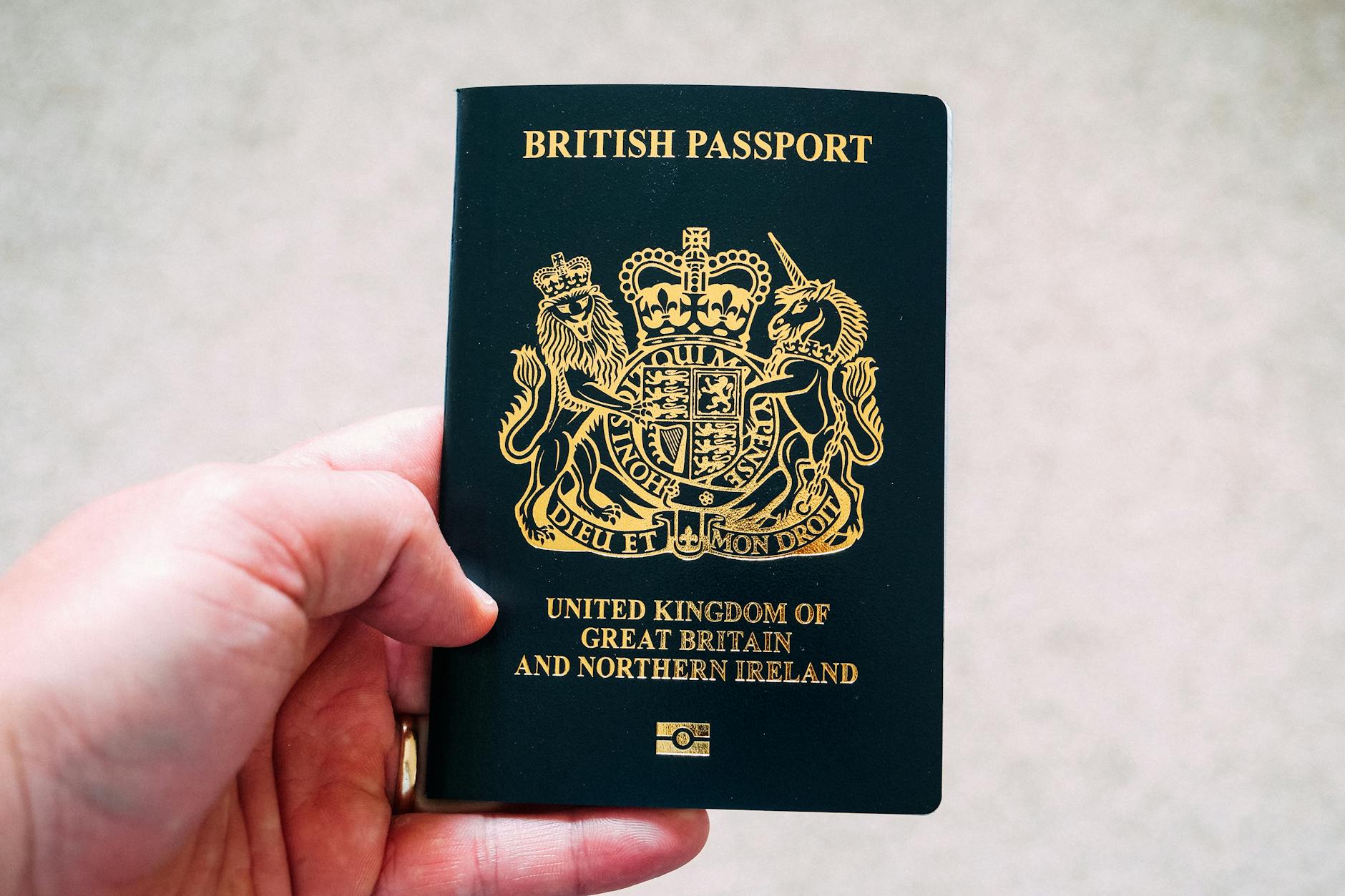
What are the new rules for travel to the UK for dual nationals as of February 25, 2026?
After years of helping Canadian travellers navigate the ins and outs of international trips, I've seen many changes to entry requirements. But few have caught people off guard quite like the UK's Electronic Travel Authorisation (ETA) system, fully implemented on February 25, 2026. This isn't just about needing an ETA; it's a critical shift for dual British-Canadian nationals. In short, if you hold both British and Canadian citizenship, you can no longer simply flash your Canadian passport and expect to board a flight, ferry, or train to the UK. As of this date, airlines are strictly enforcing pre-departure checks, and without valid proof of your British citizenship, you will likely be denied boarding.
This rule change is part of a broader UK border security overhaul and its impact on Canadian citizens with British roots is significant. Before February 25, 2026, it was common practice for dual nationals to travel on whichever passport was most convenient. However, the new ETA system creates a dilemma. While Canadian citizens generally enjoy visa-free access to the UK (and would typically apply for an ETA for a small fee), British citizens, including dual nationals, are explicitly exempt from needing an ETA. Crucially, they are also ineligible to apply for one. This means if you present only a Canadian passport and are identified as a British citizen, you are in a bureaucratic bind, as you cannot get an ETA, but also cannot enter as a non-citizen. This situation has been confirmed by various sources including Baker McKenzie's February 2026 insight report and official GOV.UK guidance, which highlight the hefty fines airlines face for non-compliance, forcing them to be extremely vigilant with documentation.
The practical implication is that dual British-Canadian nationals must now carry and present a valid British passport when travelling to the UK. Without it, or specific alternative documentation like a Certificate of Entitlement to the Right of Abode, you will be turned away at the gate, regardless of your legal right to reside in the UK. This system, which expanded from trials between 2023 and 2025, now requires digital verification for virtually all non-visa arrivals from over 84 countries, including Canada. For the estimated 1 to 2 million dual British nationals worldwide, as per Home Office data, this means a significant adjustment to their travel habits, ensuring they have the correct, up-to-date documentation that explicitly proves their British citizenship before attempting to travel.
Want a personalized answer? Use ReviewThenGo's /travel-intel to find official travel advisories in seconds.
What Exactly Changed on February 25, 2026, for Dual Citizens?
The fully rolled-out ETA scheme on February 25, 2026, marks a watershed moment for international travel to the UK. Previously, for dual citizens, the UK generally allowed entry with either passport. Now, the emphasis is firmly on proving British citizenship if you hold it. The system is designed to digitalize border control and pre-clear travellers, but it has created specific requirements for those holding two passports.

Required Documents to Board for the UK Dual Nationals
If you are a dual British citizen, you must present one of the following documents at check-in to prove your British nationality:
* A valid British passport: This is by far the most straightforward and strongly recommended option. If yours is expired, start the renewal process immediately. Standard overseas renewals can take 3 to 10 weeks via HM Passport Office. For urgent travel, premium expedited services are available, albeit at a higher cost.
* A valid Irish passport: If you also hold Irish citizenship alongside your British status, an Irish passport is an acceptable alternative.
* A Canadian (or other non-UK) passport with a valid Certificate of Entitlement (CoE) to the Right of Abode: This is a physical sticker or digital endorsement within your non-British passport that officially proves your British citizenship, granting you the right to live in the UK. You can apply for a CoE via UK Visas and Immigration (UKVI) if you do not possess a British passport, but be aware that processing times typically range from 3 to 6 weeks, with a fee of approximately £320.
* An Emergency Travel Document: This is a rare option, issued only in genuinely urgent situations, such as a lost or stolen passport right before travel, and usually requires specific justification.
It is crucial to understand that if you do not have a British passport, and you lack a Certificate of Entitlement, you will be treated as a standard visa-exempt traveller. However, as a British citizen, you are technically ineligible for an ETA, creating an insurmountable travel barrier. Multiple advisories from respected immigration firms like Envoy Global and Boundless Immigration, along with government guidance from countries like Australia's Smartraveller (updated February 25, 2026), all emphasize that "Dual citizens cannot rely solely on their non-British passport."
Transitional Grace Period: Now Expired
Early 2026 guidance did offer a small window of flexibility. Some airlines might have allowed an expired British passport (specifically those issued from 1989 or later) to be presented alongside a valid ETA-eligible passport, provided the details matched. This was intended to ease the transition for dual nationals who might not have had an updated British passport. However, by May 2026, this grace period is over. Carriers now strictly demand current, valid proof of British citizenship. My own research, including alerts from the US Embassy and New Zealand's SafeTravel, confirms that enforcement significantly ramped up post-March 2026, leaving no room for past leniency.
Here’s a snapshot of processing times and costs for these critical documents:
| Document Option | Processing Time (UKVI/HMPO) | Cost (GBP, as of May 2026) | Best For | |-----------------------------|---------------------------------------|----------------------------|-------------------------------------------| | British Passport Renewal | 3 weeks (standard); 1 week (premium) | £88.50 (adult overseas) | Most reliable and straightforward option | | Certificate of Entitlement | 3-6 weeks | £320 + postage | Those without a British passport currently| | Irish Passport | Varies by consulate | €75-€175 | Individuals with Irish dual nationality | Sources: GOV.UK ETA pages, HM Passport Office (updated April 2026), Jeelani Law firm analysis.
A Personal Story: My Dad's Last-Minute Scramble to Scotland
This change hits very close to home for me. Just last month, my own father, a Canadian citizen who was born in Glasgow in 1965, had his own experience with these new regulations. He had booked what he thought would be a straightforward three-week trip back to Scotland for a family reunion. He's held dual British-Canadian citizenship his entire life, but for as long as I can remember, he’s always travelled on his Canadian passport when heading overseas, simply because it was convenient and, before 2026, perfectly acceptable. He didn't need an ETA, and there were no issues with his Canadian passport as basic proof of identity.
Everything seemed fine until about two weeks before his scheduled departure from Toronto. That's when an airline email landed in his inbox, explicitly stating: "New UK entry rules require proof of British citizenship for dual nationals." You can imagine the immediate wave of panic. His British passport, he quickly realized, had expired back in 2023. And without a Certificate of Entitlement, he was in a precarious position with only 21 days until his flight.
This experience underscores a critical message: if you're a dual national, check your British passport's validity now, especially with the busy summer travel peaks just around the corner, as processing times can fluctuate. Often, Canadian passport holders born in the UK before January 1, 1983, automatically qualify for British citizenship by birth. It's always a good idea to verify your status using the official GOV.UK citizenship checker tool.
Practical Tips for Canadian Dual Nationals Travelling to the UK
Based on my experience and client feedback, here are some actionable tips to ensure your next trip to the UK is smooth and stress-free:
1. Confirm Your British Citizenship Status: Don't assume. Use the dedicated GOV.UK tool, "Check if you're a British citizen," to verify your status. If you were born in the UK before January 1, 1983, it's highly likely you are, but confirm it and ensure your documentation is in order.
2. Apply for or Renew Your British Passport Early: If you need a British passport, start the process well in advance. Overseas renewals from Canada can be handled by mail, typically processed in Durham, UK, or through VFS Global hubs in major Canadian cities like Toronto or Vancouver. Tracking options via email from HM Passport Office are available, but timeframes vary. Always build in buffer time.
3. Avoid ETA Pitfalls: As a British citizen, you are not eligible for an Electronic Travel Authorisation. Do not attempt to apply for one using your Canadian passport, as it will likely be rejected if your British citizenship is identified, potentially causing delays and confusion. Only Canadian citizens without British ties need to apply for an ETA, which costs £10 and typically processes within 3 days.
4. Prepare for Airline Check-In: Expect airlines, including major carriers like Air Canada, WestJet, and British Airways, to require Advance Passenger Information (API) uploads typically 72 hours before your flight. They are now actively flagging any potential issues with dual nationality documentation early to avoid fines. Ensure your British passport details are correctly entered for your booking or have it ready at check-in.
5. Understand Return Travel Requirements: While the new rules primarily affect entry into the UK, always have both your British and Canadian passports with you for your return journey. The Canada Border Services Agency (CBSA) generally recommends showing your Canadian passport upon re-entry to Canada. You can find more details on CBSA recommendations via ReviewThenGo's /travel-intel tool.
6. Consider Minors and Families: The same rules apply to minors with dual status. If your child holds both Canadian and British citizenship, they will also need a valid child British passport to enter the UK. These cost approximately £57 and should also be applied for well in advance.
These new regulations impact a significant number of travellers. UK visits by Canadians reached 1.2 million in 2025 (VisitBritain data), and an estimated 10-15% of these could potentially be dual nationals, extrapolating from general dual citizenship trends. Home Office Q1 2026 reports have shown a 20% increase in border-related delays since February, underscoring the importance of proper documentation.
Don't let these new rules catch you off guard. ReviewThenGo's /reviews and /best-time tools can help you plan other parts of your trip, but for entry requirements, it's all about proactive document management.
Why This Matters for Canadians with UK Ties
Canada has a substantial UK-born diaspora, with over 200,000 individuals reported in the 2021 StatsCan census alone. This means thousands of Canadian residents could potentially be caught out by these revised rules. It is not about the UK denying entry to its own citizens, or revoking their rights; rather, it is about the increasingly digital and stringent nature of international border control and the absolute necessity of having the correct documentation that explicitly proves your citizenship status.
My personal experience with my father highlights how easily this oversight can occur and the frantic scramble it can cause, not to mention the added costs. Planning ahead, ensuring your British passport is valid, and carrying both your national passports will allow you to travel to the UK with confidence and ease. Whether you are visiting family, exploring the historic sites, or hiking the Highlands, proper documentation is now more critical than ever.
For the most up-to-date and official information, I strongly recommend bookmarking the official GOV.UK ETA guidance at https://www.gov.uk/guidance/eta (https://www.gov.uk/guidance/eta) and the HM Passport Office site at https://www.gov.uk/overseas-passports (https://www.gov.uk/overseas-passports). Safe travels, and as they say in Scotland, slàinte!
FAQ: UK Travel Rules for Dual British-Canadian Nationals
Here are some frequently asked questions about the UK's new travel rules for dual nationals:
Frequently Asked Questions
Do I need a British passport to enter the UK if I'm a dual British-Canadian citizen?
Yes, as of February 25, 2026, if you are a dual British-Canadian national, you must present a valid British passport or other specific proof of British citizenship (like a Certificate of Entitlement to the Right of Abode) to board a flight, ferry, or train to the UK.
What if my British passport is expired?
An expired British passport is generally not accepted for entry under the new rules. You must have a valid, unexpired British passport. It is crucial to renew it well in advance, as overseas processing can take several weeks.
Can I apply for an ETA instead?
No, if you are a British citizen (including dual nationals), you are exempt from needing an ETA and are also ineligible to apply for one. Attempting to get an ETA while being a British citizen will likely result in rejection.
How long does it take to get a British passport renewed from Canada?
Standard overseas British passport renewals typically take 3 to 10 weeks. Expedited services are available for an additional fee, potentially reducing the processing time to about one week, but it's always best to apply as early as possible.
Are there any exceptions for emergency travel?
In rare, truly urgent cases, an Emergency Travel Document might be issued. However, this is not a substitute for a valid passport and is typically only granted under very specific, documented emergency circumstances where a regular passport is not feasible.